Meaning
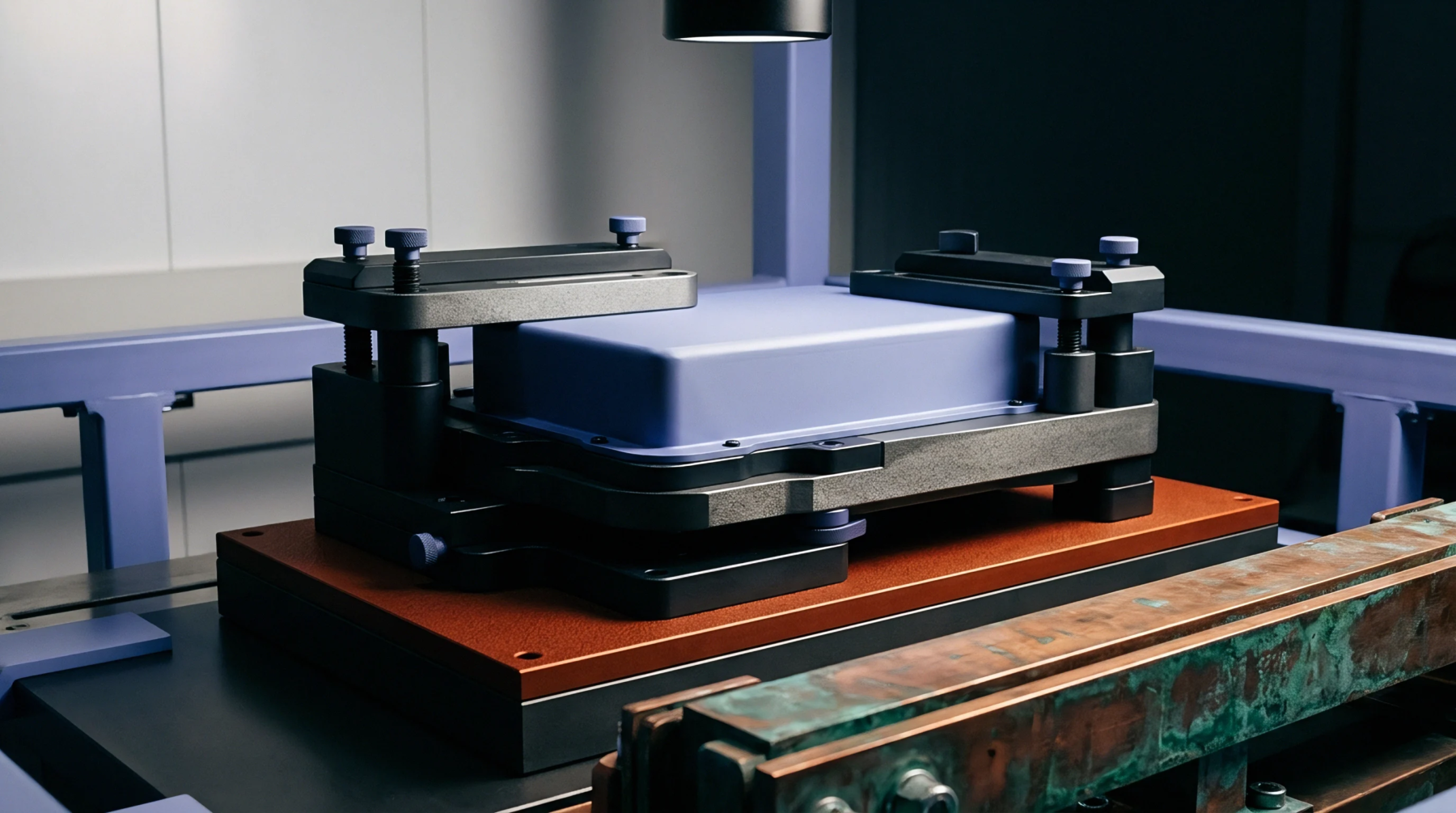
International transport regulations mandate specific safety tests to ensure lithium-ion batteries can withstand air transport conditions. The test known as un 38.3 test t1 subjects cells and battery packs to low pressure to simulate an unpressurized aircraft cargo hold. This procedure evaluates the ability of the battery enclosure to maintain its seal.
Pressure Differential
Rapid decompression creates significant structural stress on the sealed casing of a battery cell. To pass un 38.3 test t1, the test samples must be stored at a low pressure of eleven point six kilopascals for at least six hours. This test simulates the altitude conditions of high-altitude flight.
Battery Tolerance
Mechanical deformation or leakage during the test indicates a design failure in the cell or pack housing. Success in un 38.3 test t1 requires that the cells show no mass loss, no leakage, and no venting. This performance ensures that the cell seals can withstand extreme pressure variations.
Certification Value
Compliance documentation is required for the legal distribution of lithium-ion products worldwide. Completing un 38.3 test t1 is a prerequisite for shipping batteries by air or sea freight, making it a mandatory step in the product launch timeline. Sourcing managers must verify that all battery suppliers hold valid test certificates to avoid legal liability and supply chain disruptions.
This verification process ensures that the battery shipments comply with global transport safety standards.