Meaning
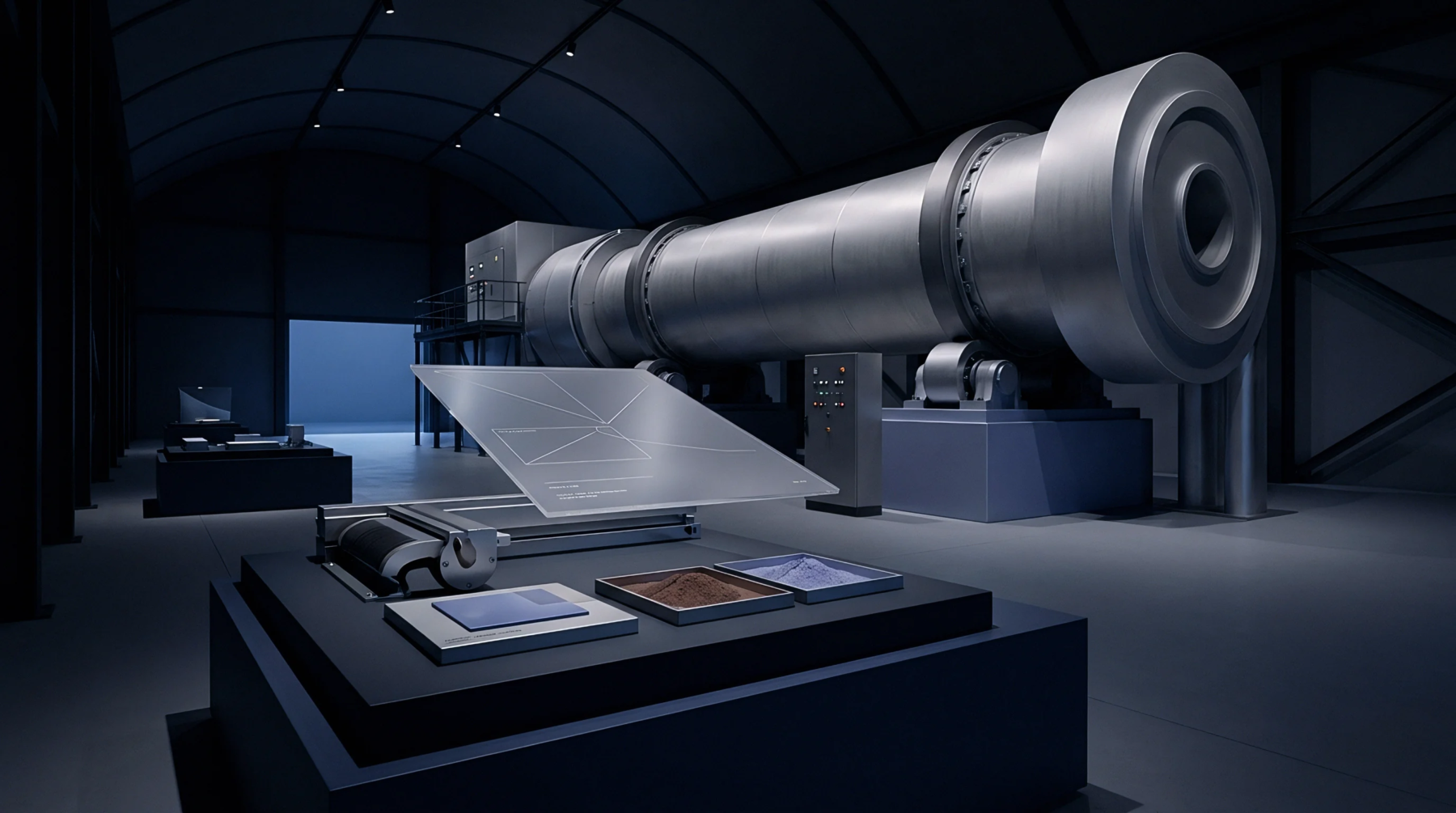
Technical properties describe the ability of a battery enclosure to maintain a complete air and moisture barrier over its entire operational life cycle. This hermetic seal integrity is vital for preventing the ingress of oxygen and water vapor, which can react violently with the lithium salts and electrodes inside. A perfect seal also ensures that the electrolyte does not escape, maintaining the internal chemistry needed for energy storage.
Manufacturers use various testing methods to verify that the welds, gaskets, and pouch seals are free from defects. If the barrier fails, the cell will degrade rapidly, leading to a loss of capacity and an increase in safety risks.
Barrier Performance
Protection against the external environment requires materials that are impermeable to the smallest molecules found in the atmosphere. Hermetic seal integrity depends on the molecular structure of the plastics and the quality of the metallic bonds in the cell casing. Aluminum and steel are excellent barriers, but the points where terminals pass through the casing are common areas for leaks.
If the bonding between the metal and the insulator is not perfect, moisture will slowly migrate into the cell. This process is often measured in terms of the water vapor transmission rate of the materials.
Aging Characteristic
Environmental stressors like temperature cycling and mechanical vibration can degrade the quality of the seal over several years of service. Maintaining hermetic seal integrity is a challenge because the materials expand and contract at different rates, creating stress at the interfaces. Over thousands of charge cycles, these stresses can lead to the formation of micro-cracks or the delamination of the pouch layers.
Testing for long term stability often involves accelerated aging in high humidity and high temperature chambers. If the seal remains intact after these tests, the design is considered suitable for long term use in electric vehicles.
Testing Routine
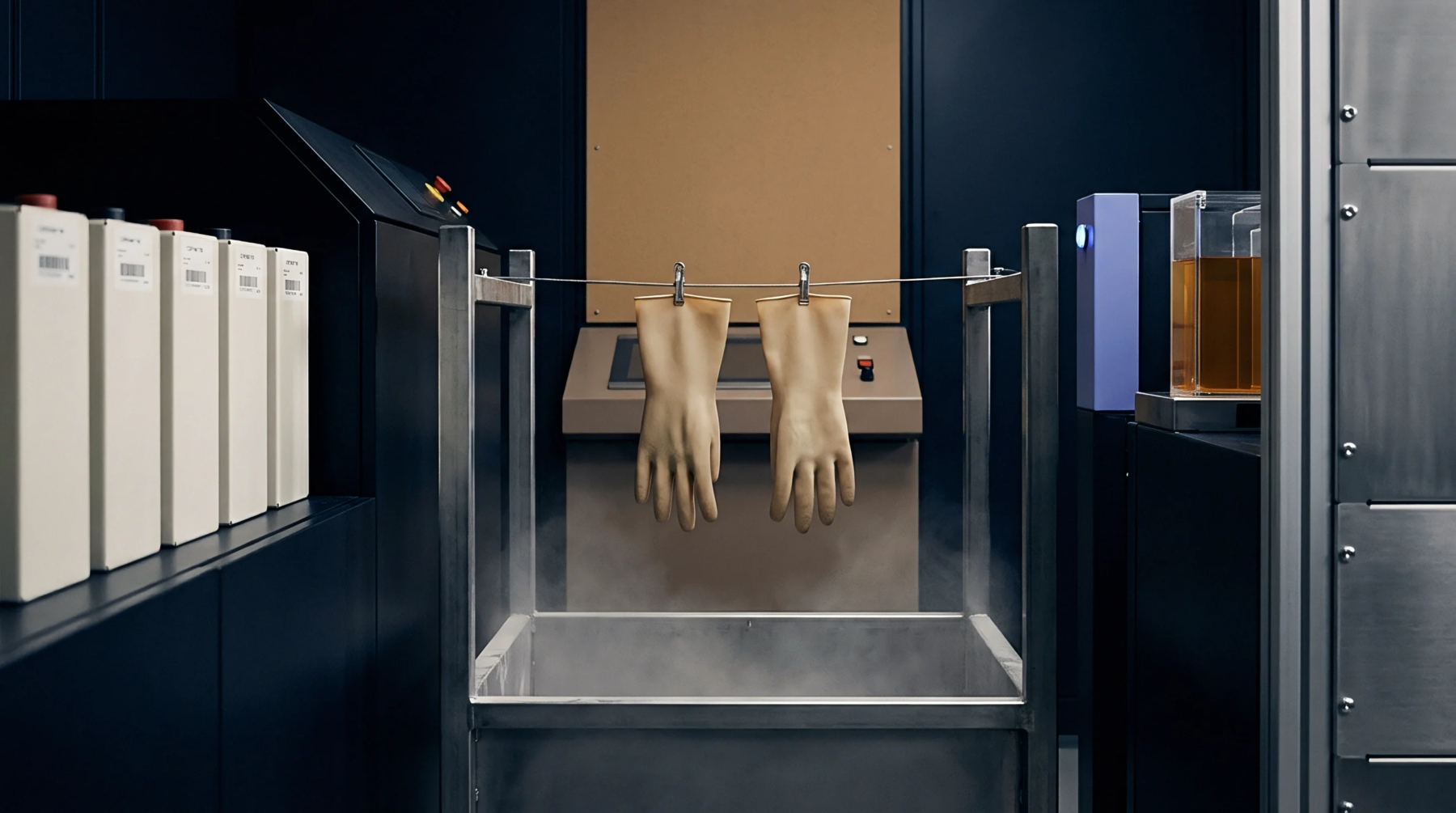
Quality control procedures at the factory include multiple checks to ensure that every cell meets the required standards for air tightness. Verifying hermetic seal integrity often involves vacuum decay tests or helium leak detection on the finished product. These tests are fast and non-destructive, allowing them to be integrated into the high speed production line.
If a cell fails the check, it is removed and analyzed to find the root cause of the sealing failure. Every successful test provides confidence that the battery will perform reliably for its entire rated lifespan without being affected by the outside air.