Meaning
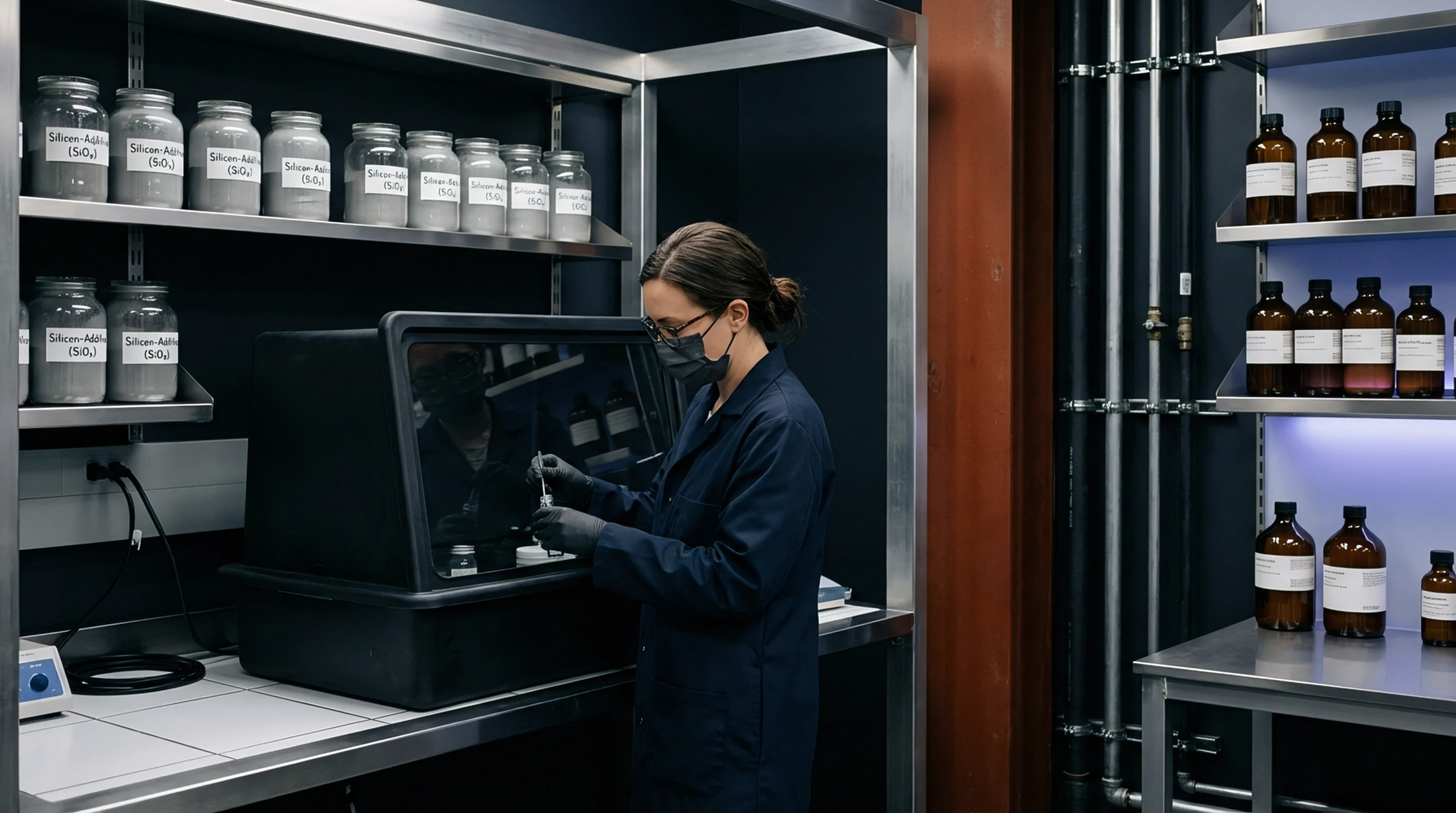
Thermal treatment removes trapped gases and impurities from metallic or ceramic materials within a low pressure environment. Vacuum furnace degassing utilizes high temperatures and a powerful vacuum system to extract hydrogen, oxygen, nitrogen, and carbon residues that could compromise the integrity of battery components. This step is essential for preparing high purity alloys and ensuring the quality of welded joints.
Atmospheric Control
Pumps reduce the internal pressure to a specified level, often measured in millibar or torr. During vacuum furnace degassing, the absence of air prevents oxidation while the heat promotes the diffusion of gas molecules to the surface. The process is carefully timed to ensure that the material reaches a uniform temperature throughout its cross-section.
Material Enhancement
Removing volatile contaminants improves the mechanical strength and ductility of the treated parts. In the context of battery production, vacuum furnace degassing is used for structural frames and electrical connectors that must withstand high stress.
Quality Assurance
Monitoring the vacuum level and temperature provides a record of the treatment cycle. A successful vacuum furnace degassing operation results in a material with consistent properties and a clean surface finish. The reliability of the final battery assembly often depends on these foundational material treatments.
This verification process ensures that every batch of material meets the rigorous standards required for aerospace and automotive energy storage. Technicians use mass spectrometry to detect any remaining trace elements that could cause embrittlement or corrosion during the long service life of a battery pack.