Meaning
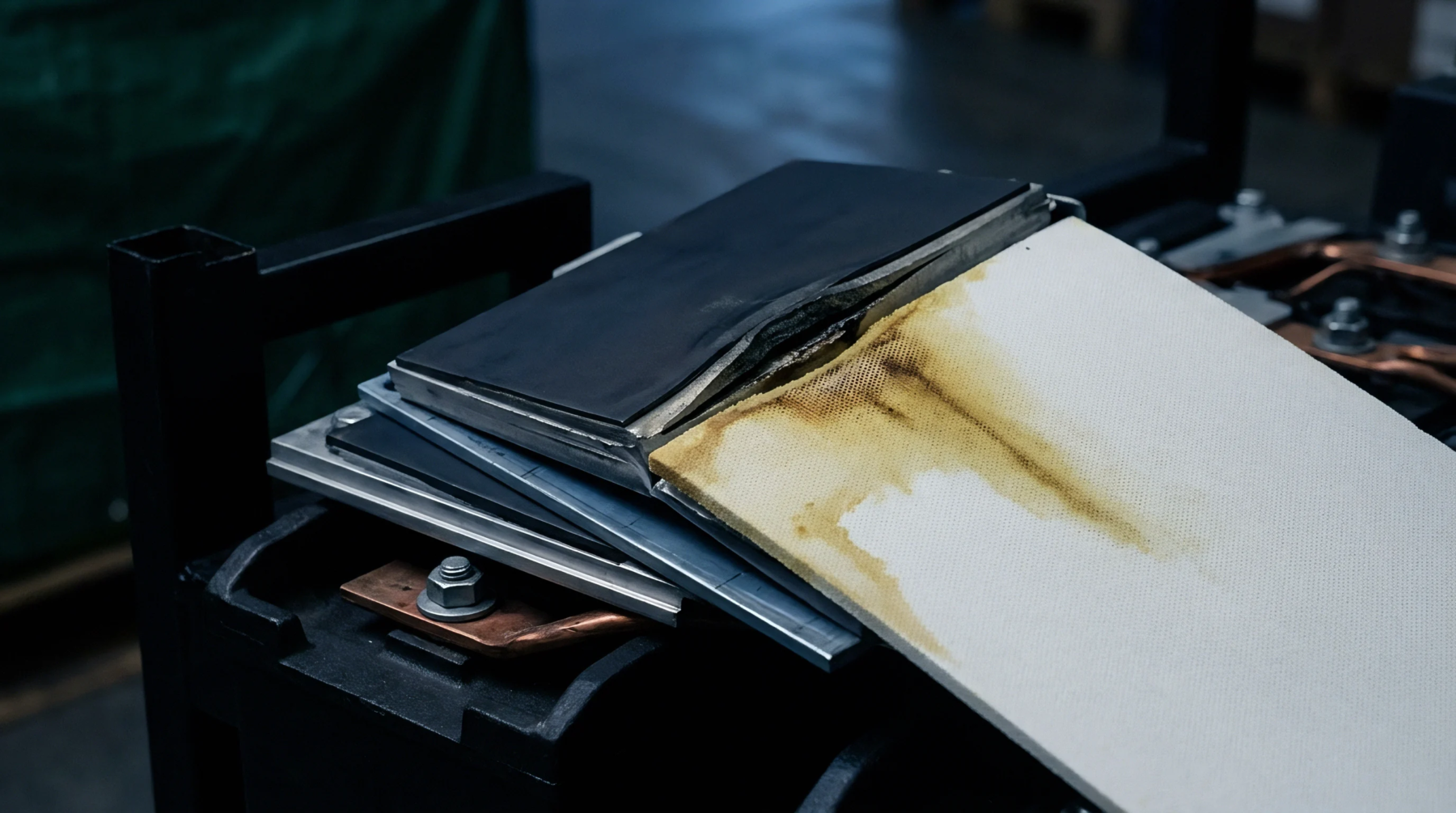
Thermal insulation components consist of a rigid core material sealed within a gas-tight envelope from which air is extracted to minimize conductive and convective heat transfer. A vacuum insulation panel achieves extremely low thermal conductivity values by removing internal gas molecules that otherwise transport kinetic energy through the material structure. These units provide high thermal resistance in a thin profile, making them suitable for space-constrained applications like refrigerated transport containers or high-efficiency domestic appliances.
Physical Integrity
Punctures or degradation of the edge seal allow atmospheric pressure to enter the core, which increases the internal pressure and causes a sudden loss of insulating performance. Manufacturers must design the barrier film to withstand mechanical stress during installation to prevent such leakage. Any compromise to the envelope leads to an immediate rise in the conductivity of the core material toward the level of non-evacuated insulation.
Material Composition
Core materials often utilize porous silica, glass fibres, or open-cell polymer foams to provide structural support against the crushing force of external atmospheric pressure. The barrier envelope requires multiple layers of metalized plastic film to prevent oxygen and water vapour from diffusing into the core over long time horizons. Such permeation slowly raises the internal pressure and diminishes the initial thermal resistance of the panel.
Performance Expectation
Designers verify effective thermal conductivity through laboratory measurements performed on aged samples that account for expected gas diffusion rates. Laboratory testing protocols simulate real-world environmental exposure to ensure the rated R-value remains stable for the intended service life of the application. The total thickness of the panel determines the final heat load management strategy for a climate-controlled enclosure.