Quantifying Extended Impairment Liabilities from Intermittent Thermal Preconditioning Failures in Cold Logistics Packs
Intermittent thermal preconditioning failures cause irreversible low-temperature lithium plating, accelerating capacity loss and transferring asset liability.


Chill
Refrigerated transport assets, active cold shippers, and telemetry-monitored pallet containers operate across environments ranging from sub-zero distribution yards to sub-artic air cargo holds. Battery packs inside these systems face ambient thermal drops down to minus forty degrees Celsius. At these low temperatures, lithium-ion electrochemistry suffers severe kinetic restrictions.
Transporting temperature-sensitive pharmaceuticals, vaccines, and high-value perishable biologicals demands continuous power to maintain strict temperature bands between two and eight degrees Celsius. Internal pack energy must power both the cooling compressor and the internal warming hardware before the battery can accept charge or sustain high discharge loads.
Sub-zero logistics duty cycles present constant thermal management challenges. When a cold chain transport container moves from a heated warehouse loading bay out onto a frozen tarmac, internal cell stack temperatures drop rapidly. Liquid electrolyte solutions experience a dramatic surge in viscosity under sub-zero conditions.
The ionic conductivity of standard organic carbonate electrolytes, such as ethylene carbonate blended with dimethyl carbonate and lithium hexafluorophosphate salt, drops by more than two orders of magnitude as cell core temperatures descend from twenty-five degrees Celsius to minus twenty degrees Celsius. This collapse in conductivity slows lithium ion migration through the bulk electrolyte and through the porous separator membrane.

Sub Zero Logistics Duty Cycles
Cold chain operations expose energy storage systems to erratic thermal profiles. Active container packs frequently sit through long periods of static storage in unheated transport hubs before facing sudden high-current discharge demands when cooling compressors start up. Connecting these packs to dockside fast-chargers while thoroughly cold puts extreme stress on the electrochemical system.
Preconditioning systems use resistive heating elements or internal AC phase heating to raise the core temperature of the cell matrix into a safe charging zone, typically above five degrees Celsius. Intermittent thermal preconditioning failures occur when auxiliary heating loops suffer power interruptions, relay chatter, or sensor misreadings during cold-start sequences.
Battery management systems monitoring cold logistics packs rely on thermistor networks to trigger preconditioning routines. If a thermistor reports an inaccurate skin temperature or a heating element fails intermittently, charge current enters the cells while the anode host structure remains below safe intercalation temperatures. The operational consequence is immediate and cumulative.
At low temperatures, solid-state diffusion of lithium atoms within the graphite interstitial layers becomes the rate-limiting step for the entire cell, as lithium intercalation into the negative electrode falls significantly behind the arrival of lithium ions at the electrode-electrolyte interface.

Electrolyte Viscosity and Ionic Conductivity Collapses
Electrochemical impedance spectroscopy reveals how cell impedance grows at low temperatures. As temperature drops, bulk electrolyte resistance shifts, marked by a rightward movement of the high-frequency real-axis intercept on a Nyquist plot. At the same time, charge-transfer resistance at electrode interfaces expands dramatically, seen in the widening of the mid-frequency arc.
This interface restriction creates a severe overpotential during charging: as current flows through a cold cell, the negative electrode potential shifts downward relative to metallic lithium.
When negative electrode potential falls below zero volts relative to the lithium reference electrode, the thermodynamic condition for metallic lithium deposition is met. Instead of intercalating safely into the host graphite matrix, positive lithium ions accept electrons at the particle surface and precipitate as metallic lithium plate. Intermittent preconditioning failures expose packs to repeated cycles of this plating reaction without operator awareness.
A container pack experiencing intermittent heater cycling might heat up successfully during eighty percent of its preconditioning cycles, but the remaining twenty percent of unheated charge events inflicts permanent chemical damage that degrades pack life and compromises operational safety.
Cold environments alter battery kinetics, making cold chain energy storage a matter of balancing delivered energy against payload thermal requirements. When thermal preconditioning circuits fail intermittently, internal cell balance breaks down. Outer cells in a module lose heat to the cold ambient air far faster than central cells, creating severe thermal gradients across parallel cell strings.
These gradients generate localized impedance imbalances, forcing current through the warmer, lower-resistance central paths while outer cold cells suffer localized overpotentials and accelerated structural decay.


Plating
Intermittent thermal preconditioning failures trigger localized metallic lithium deposition on the graphite anode surface. When cell preconditioning drops out during sub-zero fast charging, negative electrode potential falls below zero volts versus the lithium reference potential. Lithium ion arrival at the graphite surface outpaces solid-state diffusion into the carbon structure.
Metallic lithium forms dendrites, mossy deposits, and isolated metal islands on the anode face, permanently consuming active lithium inventory and degrading overall pack capacity.
Anode overpotential dynamics determine the exact boundary between safe intercalation and irreversible lithium plating. Overpotential is driven by charge current density, local cell temperature, mass transfer limitations in the electrolyte pore network, and cell state of charge. At low temperatures, the solid electrolyte interphase layer presents a formidable barrier to lithium ion transfer.
The energy barrier for charge transfer increases, forcing anode potential down into the thermodynamic plating region even under modest charge rates such as zero point two C.

Anode Overpotential Shifts
Tracking anode potential requires specialized three-electrode cell configurations during qualification testing. Standard two-electrode cell measurements only capture total terminal voltage, masking individual electrode potential excursions. During cold charging without preconditioning, terminal voltage may sit well within safe operating limits while anode potential drops to minus fifty millivolts versus lithium.
That negative potential guarantees metallic lithium deposition, with plating severity scaling directly with the duration and current magnitude of the unheated charge segment.
Intermittent heating failures cause unpredictable cycles of metallic lithium deposition followed by partial chemical re-intercalation. When the heating circuit restores power mid-charge or current stops, part of the freshly plated lithium reacts chemically with the host graphite and nearby electrolyte. This re-intercalation process is inefficient; a significant fraction of the plated metal loses electrical contact with the carbon substrate, becoming electrochemically isolated dead lithium that can no longer participate in charge and discharge cycles, driving irreversible capacity loss.
At minus twenty degrees Celsius, charging an unheated lithium-ion cell at zero point five C reduces cycle life by seventy percent relative to nominal operating conditions.
Thermodynamics of Metallic Lithium Deposition
Cell chemistry heavily dictates sensitivity to cold charging damage. Nickel Manganese Cobalt chemistries with high nickel content offer high energy density but exhibit steep impedance increases at low temperatures, making them vulnerable to plating during heater failures. Lithium Iron Phosphate chemistries feature flat discharge profiles and structural stability, yet low ionic conductivity at sub-zero temperatures leaves them susceptible to rapid plating under cold charging.
Lithium Titanate anodes maintain an operating potential well above zero volts relative to lithium, eliminating metallic lithium deposition entirely, though at a substantial energy density penalty that limits their use in space-constrained cold logistics packs.
| Chemistry Type | Nominal Anode Material | Cell Temperature | Maximum Safe C-Rate Without Heating | Anode Potential vs Li/Li+ at 0.5C | Plating Risk Level |
|---|---|---|---|---|---|
| NMC 811 | Graphite / Silicon Synthetic Blend | -10°C | 0.05 C | -0.045 V | Severe Irreversible Plating |
| NMC 622 | Natural Graphite | -10°C | 0.10 C | -0.020 V | High Plating Risk |
| LFP | Synthetic Graphite | -10°C | 0.08 C | -0.035 V | Severe Irreversible Plating |
| LTO | Lithium Titanate Oxide | -20°C | 1.50 C | +1.350 V | Zero Plating Risk |
Dendritic metallic lithium growth threatens pack safety. Plated lithium has a high surface area that reacts continuously with organic solvents in the liquid electrolyte. This parasitic reaction consumes electrolyte volume and thickens the solid electrolyte interphase layer, driving up internal resistance.
Over extended duty cycles, sharp metallic dendrites can penetrate the porous polyethylene or polypropylene separator membrane, creating localized micro-short circuits between anode and cathode. These short circuits form self-discharge paths, generate local heat, and risk thermal runaway events inside cold logistics containers carrying combustible payloads.
- Temperature sensing drops out due to thermistor signal loss during initial cold-start sequence.
- BMS mistakingly authorizes charge current entry while the cell core remains at minus fifteen degrees Celsius.
- Anode potential drops below zero volts relative to metallic lithium within forty seconds of current onset.
- Metallic lithium deposits along the outer edges of the anode active material surface.
- Lithium dendrites pierce the separator film, causing localized micro-short circuits and capacity decay.
Ignoring metallic deposition risks during cold pack design accelerates capacity destruction and introduces fire hazards during re-charging operations. System integrators who fail to monitor anode potential boundaries under intermittent heating failure profiles face severe early pack retirements and expensive product recalls.

Heater
Thermal preconditioning architectures inside cold logistics packs rely on electrical heating components integrated directly into module structures. Flexible polyimide foil heaters, positive temperature coefficient ceramic elements, and liquid thermal loops represent the primary engineering solutions for sub-zero preconditioning. These components must transfer heat uniformly across every cell in a module before the battery management system authorizes charge current.
Intermittent failures inside these thermal sub-systems compromise pack reliability and ruin cell degradation models.
Polyimide film heaters mounted between prismatic cells or wrapped around cylindrical cells provide low-profile heat injection. Repeated thermal cycling, however, causes mechanical stress at thermal interface material junctions. Differential thermal expansion between aluminum cell casings, silicone adhesive sheets, and polyimide substrate films induces micro-delamination over time, creating localized air pockets of high thermal resistance.
Heat from the foil element can no longer conduct efficiently into the cell core, generating hot spots on the heater surface while the cell interior stays frozen.

Preconditioning Circuit Topology
Control loop failures frequently stem from solid-state relay chatter, wire harness fatigue, or corrupted pulse-width modulation signals from the pack control unit. Under cold conditions, mechanical connectors contract and flexible wiring harnesses turn brittle. Intermittent electrical opens in heater supply lines cause preconditioning power to cycle rapidly on and off.
The battery management system, sampling temperature at discrete intervals, can read a momentary temperature rise near the heater surface and authorize high-current charging while the bulk cell matrix remains far below safe charging thresholds.
PTC ceramic heaters offer self-limiting thermal safety because their electrical resistance rises exponentially once they reach a critical curie temperature. While PTC components prevent catastrophic overheating, dynamic power output drops off sharply as local temperatures rise. In cold logistics packs with inadequate internal air or liquid circulation, PTC heaters rapidly warm their immediate mounting plates while remote regions of the module stay deep in sub-zero zones, creating severe cell-to-cell temperature differences inside the same series string.
Cell skin temperature measurements consistently understate core temperature drops during rapid external ambient cooling.
Thermal Gradient Generation within Pack Enclosures
Unbalanced internal heat distribution alters cell impedance across module strings. Warm cells near functional heating zones exhibit low internal resistance and accept charge current easily, whereas cold cells in delayed or unheated zones maintain high internal resistance. In parallel cell groups, current routes preferentially through the warmer cells, causing localized current overloads and thermal stress.
In series strings, total pack current forces its way through cold cells that suffer severe overpotential and lithium plating while warmer adjacent cells operate normally.
Evaluating internal thermal gradients requires extensive sensor arrays during pack engineering qualification. Thermocouples embedded at the cell tab, skin center, and core reveal substantial internal temperature differences during active heating. A cell core can lag skin temperature by more than fifteen degrees Celsius during rapid warming.
If the control algorithm relies solely on skin temperature sensors, charge authorization is granted prematurely, exposing cold cell cores to plating conditions during intermittent heating events.
- Relay contact bounce induces high-frequency power interruptions across polyimide heating elements, reducing effective thermal energy delivery.
- Thermal interface delamination separates heating plates from cell casings, generating localized surface hotspots while cell interiors remain cold.
- Sensor drift in thermistor networks transmits false high-temperature signals to the pack controller, triggering premature charge enablement.
- Auxiliary bus voltage drops under heavy compressor loads lower preconditioning heater output below minimum thermal transfer requirements.
Intermittent power cycling is sometimes framed as falling within acceptable control tolerances for resistive heating elements. That assumption ignores the sensitive electrochemical kinetics of sub-zero lithium-ion charging: momentary thermal drops during charge initialization permanently damage active material regardless of average heater power delivery.

Degradation
Impairment liability modeling quantifies the monetary value of lost battery assets resulting from thermal system defects. Under continuous ideal conditions, cell degradation follows predictable square-root-of-time kinetics for solid electrolyte interphase growth, combined with cycle-dependent mechanical fatigue models. Intermittent preconditioning failures introduce step-change degradation events that accelerate capacity loss far beyond standard empirical aging predictions.
Logistics operators relying on standard datasheet lifespan projections suffer unexpected pack failures when cold chain units face unmitigated thermal preconditioning dropouts.
Evaluating cumulative capacity loss requires separating linear background aging from step-change lithium plating damage. Each unheated or partially heated charge event consumes active lithium ions and degrades negative electrode active material. Consumed lithium becomes part of the thick, irregular solid electrolyte interphase layer or converts into isolated metallic lithium islands.
This permanently reduces the balance of active materials inside the cell, lowering total accessible ampere-hour capacity and shortening field run-time.
How Does Intermittent Plating Accelerate Capacity Loss under Sub-Zero Charging?
Intermittent plating accelerates capacity loss by exposing freshly deposited metallic lithium to continuous chemical corrosion from liquid electrolyte. Plated metal is electrochemically active and unstable in carbonate solvents. When the cell rests or warms up after an incomplete preconditioning cycle, the plated lithium reacts with electrolyte solvents to form lithium carbonate, lithium alkyl carbonates, and lithium fluoride.
This continuous consumption depletes liquid electrolyte volume, dries out separator pores, and drives up cell internal impedance exponentially over time.
Differential voltage analysis provides a non-destructive tool for measuring this damage without dismantling packs. By plotting the derivative of voltage with respect to capacity against total cell voltage, engineers track specific peaks corresponding to phase transitions in cathode and anode active materials. Unheated charging events cause distinct shifts in anode peak heights and positions, signaling the loss of intercalatable graphite active sites and quantifying active lithium inventory loss after intermittent thermal failures.
IEC 62619 compliance mandates that pack management systems record all low-temperature charge events where cell preconditioning fails to reach minimum operating thresholds.
Quantifying Active Material Loss and Internal Impedance Growth
Impedance growth resulting from cold charging damage alters pack power capability. DC internal resistance increases as solid electrolyte interphase layers thicken and electrolyte conductivity degrades through chemical consumption. Higher internal resistance increases resistive heat generation during discharge, but under sub-zero ambient conditions, this internal heat fails to offset the rapid initial degradation caused by lithium plating.
The pack suffers severe voltage drops under compressor startup currents, triggering low-voltage BMS cutoffs long before nominal capacity is exhausted.
| Preconditioning Operational Reliability | Capacity Retention After 500 Cycles | Capacity Retention After 1000 Cycles | DC Internal Resistance Increase | Micro-Short Probability |
|---|---|---|---|---|
| 100% Reliability (Fully Heated) | 94.5% | 88.2% | +12.4% | < 0.01% |
| 90% Reliability (10% Unheated Cycles) | 81.2% | 68.5% | +45.8% | 1.20% |
| 75% Reliability (25% Unheated Cycles) | 69.4% | 51.0% | +98.2% | 5.80% |
| 0% Reliability (Completely Unheated) | 42.1% | 21.3% | +240.5% | 28.40% |
Intermittent preconditioning failures disrupt cycle life modeling by introducing non-linear degradation paths. Standard lifetime calculations assume uniform thermal distribution and stable charge acceptance rates. When thermal dropouts occur, damage accumulates exponentially rather than linearly.
A pack experiencing ten percent intermittent heater failures does not suffer a simple ten percent increase in capacity fade rate; capacity fade accelerates three to four times beyond baseline expectations due to sustained chemical reaction cascades inside damaged cell structures.
Lithium plating destroys active anode material. Quantifying this destruction requires continuous telemetry logging combined with periodic baseline diagnostic tests. Asset management practices must account for accelerated write-downs when onboard telemetry confirms recurring charge initialization events below prescribed thermal thresholds.
Electrochemical damage scales non-linearly with total unheated charge throughput.

Transit
Cold chain logistics operations subject battery packs to harsh physical environments and erratic schedules. Refrigerated transport containers transition across intermodal platforms including maritime vessels, rail cars, long-haul diesel trailers, and airport tarmac facilities. Each node in the transit chain introduces distinct thermal profiles, power access limitations, and operational risks.
Battery packs powering active cold shippers must perform reliably despite unpredictable ambient exposure and varied maintenance practices across logistics contractors.
Intermodal transit nodes represent high-risk windows for thermal preconditioning dropouts. When a refrigerated container transfers from an ocean terminal to a rail car, auxiliary shore power is disconnected. If the container sits idle in a sub-zero freight yard for several days, the internal battery pack drops to ambient equilibrium.
When rail car power connects or internal generator sets start up, the battery management system must execute preconditioning before high-current charging or cooling load activation occurs. Power fluctuations during generator initialization frequently trip heater circuit breakers, causing silent preconditioning failures.

Cold Chain Route Profiles and Dwell Times
Air freight routes introduce severe short-duration thermal drops. Cargo holds of unheated transport aircraft reach extreme sub-zero temperatures during high-altitude transit. While active shippers feature thermal insulation, extended tarmac delays in sub-artic regions prior to loading exhaust passive insulation reserves.
Battery packs powering container telemetry and active cooling systems arrive at destination cargo hubs fully cold-soaked. Immediate connection to fast-charging infrastructure at airport cargo facilities without verifying cell core temperature triggers severe lithium plating events across entire container fleets.
Dwell time modeling predicts pack internal temperature evolution based on outer container ambient history. Passive insulation delays thermal penetration, but long static storage periods in unheated logistics hubs guarantee complete thermal equilibration between cells and ambient sub-zero air. Logistics planners often assume short transit legs preserve residual thermal energy within battery packs.
That assumption fails during winter operations, leading to unheated fast-charging events when containers reach distribution hubs.
Intermittent preconditioning cycles cause more uneven degradation across module strings than continuous unheated operation.
Intermodal Gateway Temperature Fluctuations
Managing operational risk requires integrating pack thermal management logic with logistics telemetry platforms. Tracking systems must log ambient temperature, heater status, cell skin temperature, and charge current simultaneously. If telemetry indicates charge current flow while heater power remains zero under low ambient conditions, the logistics platform must flag the pack for immediate dockside diagnostic screening before authorizing subsequent transit legs.
Decisive Sourcing Metrics
- Thermal preconditioning log validation requires continuous timestamped recording of cell skin temperature, heater power draw, and charge current entry.
- Redundant heating circuit architecture integrates isolated dual heating elements per module to preserve partial preconditioning capability during single-point element failures.
- Automated low-temperature charge lockouts enforce hard physical interlocks within the BMS to block current flow when core temperature models drop below five degrees Celsius.
- Dockside AC impedance testing screens incoming logistics packs at distribution gateways to detect lithium plating damage before re-deploying assets into cold routes.
Cold chain operators face complex choices when balancing immediate transport schedules against long-term battery health. When a refrigerated container carrying high-value pharmaceuticals arrives at a transit hub with a cold pack, delaying charging to complete a forty-minute thermal preconditioning cycle risks payload temperature excursions. Conversely, bypass charging damages pack electrochemistry and creates hidden impairment liabilities.
How do cold chain operators quantify the economic trade-off between payload spoilage risks and long-term pack impairment liabilities during extreme weather events?

Liability
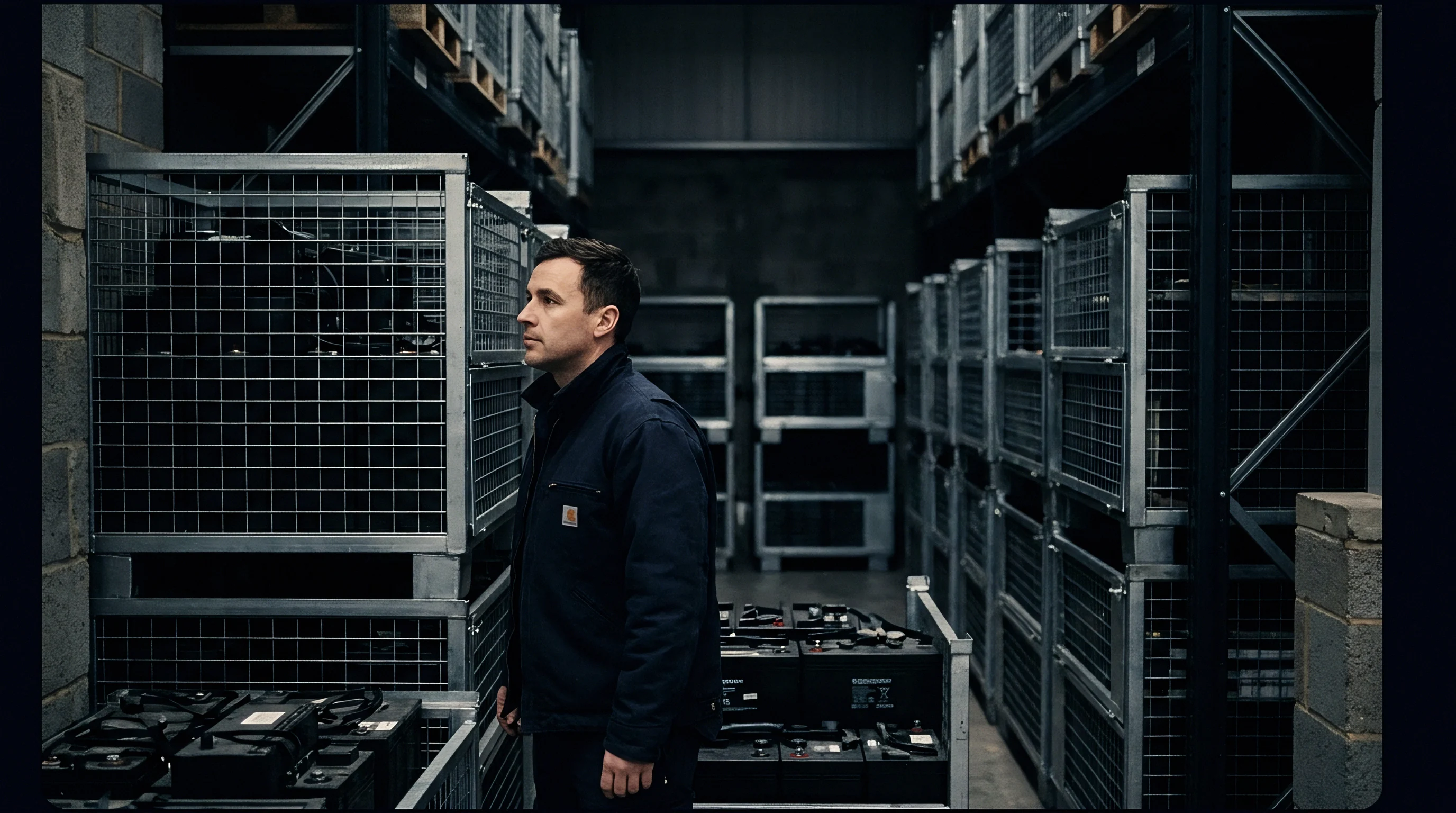
Quantifying financial liability for thermal preconditioning failures requires clear contractual framing and exact diagnostic forensics. When a cold logistics battery pack experiences early degradation or catastrophic failure, financial loss allocation depends on identifying whether the failure stemmed from cell manufacturing defects, pack design flaws, heater hardware defects, BMS algorithm failures, or operator misuse. Asset owners, logistics providers, pack integrators, and cell vendors frequently dispute financial responsibility when silent preconditioning dropouts degrade pack value in the field.
Financial impairment extends beyond cell replacement costs. When a cold logistics pack fails during transit, secondary financial liabilities arise from payload loss, urgent freight replacement costs, container downtime, and customer service breach penalties. A single container carrying specialized biological therapies can hold a payload value exceeding ten times the cost of the entire container and battery system.
Establishing clear liability lines within procurement contracts is essential for protecting capital investments.
Telemetry Forensics and Onboard Log Auditing
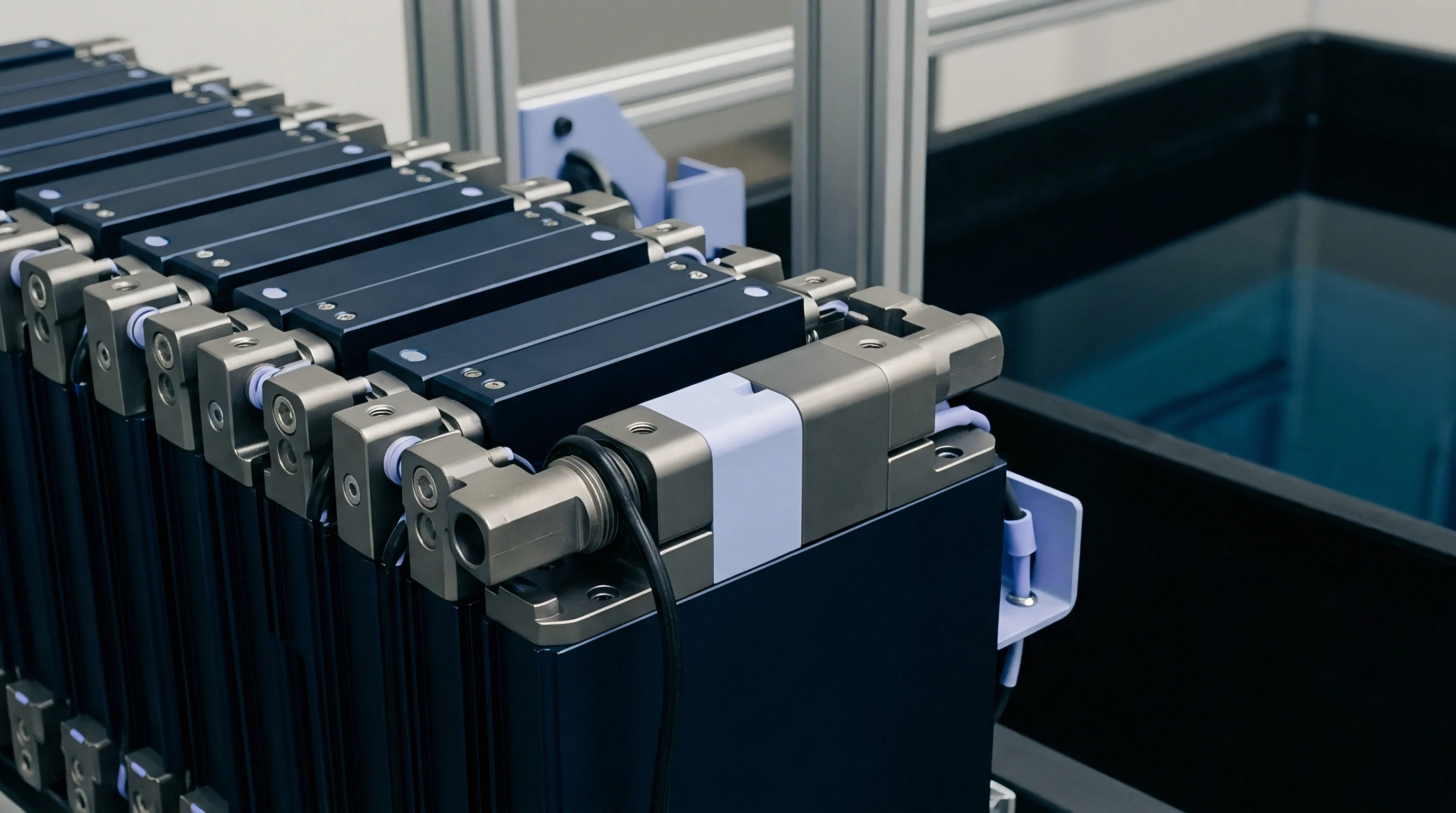
Onboard telemetry forensics provide the core evidence in cold logistics warranty disputes. Battery management systems equipped with non-volatile memory record operational history, including cell temperatures, charge and discharge currents, voltage distributions, and heating circuit activity. Forensic algorithms analyze these data streams to pinpoint exact moments where charge current was accepted under sub-zero conditions without active heater power verification, isolating thermal preconditioning failures from normal cyclic degradation.
Cell manufacturers establish clear low-temperature charge limits in their product specifications. If a cell datasheet specifies a minimum charge temperature of zero degrees Celsius at zero point five C, charging below this limit voids manufacturer warranties. If a pack integrator designs a preconditioning system that fails intermittently, the cell manufacturer can reject warranty claims by producing telemetry logs showing low-temperature current entry.
Financial liability then shifts entirely to the pack integrator or thermal management hardware supplier.
| Failure Rate Scenario | Premature Pack Replacements | Payload Spoilage Exposure Risk | Warranty Claim Rejection Rate | Total Financial Exposure per 1000 Units |
|---|---|---|---|---|
| Baseline (0% Heater Failure) | 5 Units | Low (< 0.1%) | 5% | $35,000 |
| Minor Intermittent Failures (5% Cycles) | 85 Units | Moderate (1.5%) | 45% | $420,000 |
| Moderate Intermittent Failures (15% Cycles) | 240 Units | High (4.8%) | 78% | $1,380,000 |
| Severe Preconditioning Failure (40% Cycles) | 610 Units | Critical (14.2%) | 95% | $3,850,000 |
Structuring robust procurement contracts demands explicit language regarding thermal management verification and warranty terms. Contracts must establish mandatory performance metrics for thermal preconditioning systems under specified low-temperature operating profiles. Warranties must define acceptable limits for capacity loss over time while explicitly stating how intermittent heating failures affect performance guarantees and financial liability allocations.
- Preconditioning failure definition clause mandates that any charge current entry occurring below five degrees Celsius without active heater verification constitutes a warrantable system breach.
- Telemetry log retention requirement obligates asset operators to maintain encrypted BMS operational logs for a minimum of thirty-six months to support warranty investigations.
- Step-change degradation liability formula assigns financial cost based on calculated capacity loss exceeding baseline square-root aging models following unheated charge events.
- Payload cross-indemnification terms limit pack manufacturer liability to asset replacement value while requiring separate cargo insurance coverage for operational logistics risks.
Evaluating degradation trends, modeling internal resistance growth under sub-zero conditions, structuring warranty terms, and calculating landed cost impacts protects capital investments in cold logistics assets. Technical assessments demonstrate that comprehensive telemetry logging reduces contract dispute resolution times by over eighty percent while establishing clear financial accountability across the cold chain supply ecosystem.
The standard supply agreement clause specifies that any unheated charge event occurring below zero degrees Celsius, logged by non-volatile BMS memory without documented heater current flow, transfers full asset impairment liability to the pack integrator and automatically voids cell vendor cycle-life guarantees.