Meaning
Electrochemically inactive metal that has lost electrical contact with the anode collector reduces the usable capacity and lifetime of lithium ion batteries. This isolated metallic deposit is referred to as dead lithium, and it arises primarily from repeated plating and stripping cycles during rapid charging. Once the metal becomes detached from the conductive carbon matrix, it can no longer participate in the charging and discharging reactions.
This loss of active material leads to a permanent decline in the energy density of the cell.
Formation Mechanism
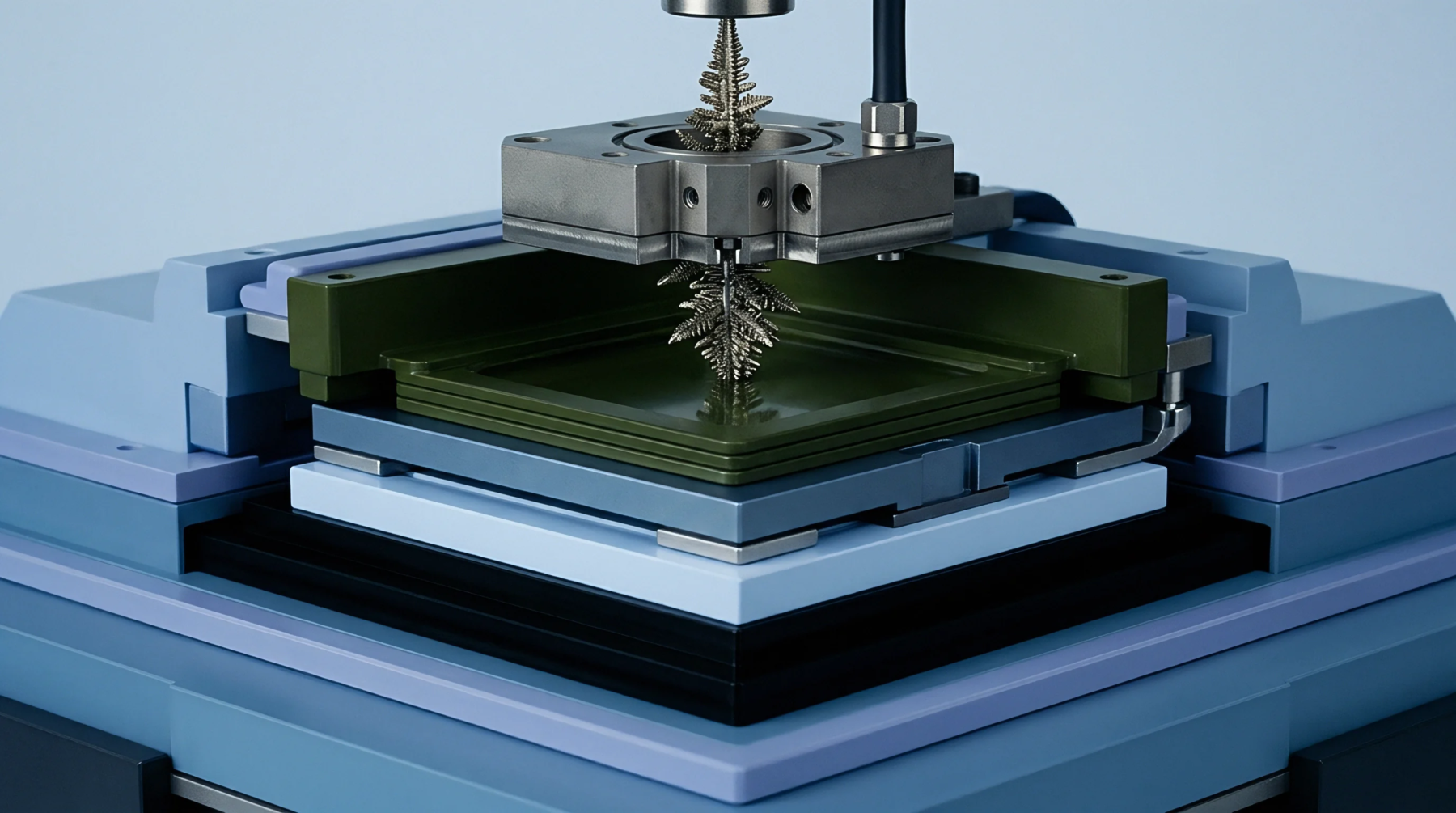
Rapid charging at low temperatures causes lithium ions to deposit as metallic sheets on the anode surface instead of intercalating into the graphite layers. Over time, these metallic deposits grow into intricate dendrites that can break or dissolve at their base during subsequent discharging. The disconnected metallic tips remain suspended within the electrolyte and separator pores, unable to transport electrons to the external circuit.
This process represents a major degradation pathway that is accelerated by high current densities and cold environments.
Capacity Fade
The continuous accumulation of inactive metal leads directly to capacity fade and increased internal impedance. Each disconnected particle represents lithium that can no longer store or release energy, which reduces the runtime of the battery pack. Furthermore, the inactive metal can react with the electrolyte, consuming the active solvent and generating gaseous byproducts.
This chemical consumption dries out the cell and accelerates the rate of battery degradation.
Safety Hazards
The accumulation of metallic deposits presents a significant safety risk because the dendrites can grow long enough to penetrate the separator. If a dendrite bridges the gap between the anode and cathode, it creates a localized internal short circuit. This short circuit can trigger rapid self-discharge, generating localized heating that can lead to thermal runaway.
Managing the charging algorithm to minimize metallic plating is therefore a primary focus of battery management system design.