Close Coupled Gas Atomization Mechanics for Battery Anode Powders
Close coupled gas atomization generates ultrafine sub-30 micron alloy anode powders through gas-jet shearing of molten metal at high quenching rates.
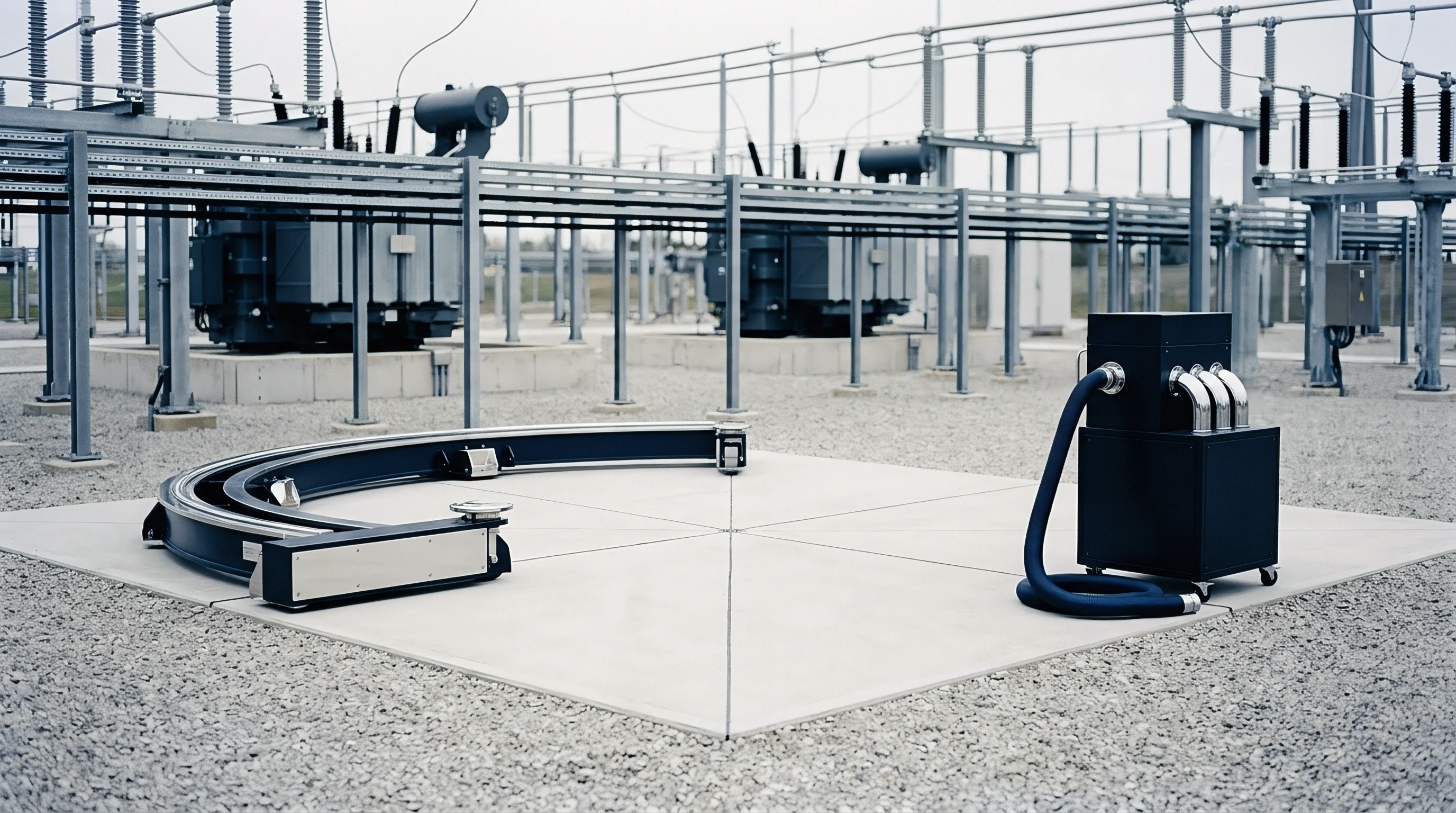

Nozzle
Close coupled gas atomization relies on direct hydrodynamic interaction between high-pressure gas jets and liquid metal at the exit tip of a ceramic melt delivery tube. Near-zero free-fall distance for the molten metal prevents premature cooling and surface-tension necking before supersonic gas kinetic energy transfers into primary atomization. Gas exiting discrete convergent-divergent orifices or a continuous annular nozzle ring reaches Mach 1.5 to Mach 2.8.
High kinetic energy disrupts the delivery stream into thin melt sheets and ligaments within micrometers of leaving the tip.
Primary breakup occurs when liquid sheet instabilities driven by ambient gas shear overcome surface tension forces. Weber numbers for liquid silicon-active alloy melts in close coupled configurations consistently exceed 500, driving liquid sheet fragmentation into the wave-jet multimode regime. High shear forces at the delivery tip create a localized recirculation zone directly beneath the tube face.
Pressure in this region drops relative to chamber ambient pressure, generating suction that draws liquid metal outward along the nozzle tip face. Tip geometry dictates whether liquid sheet thickness remains uniform prior to shockwave impingement.
| Nozzle Parameter | Nominal Dimension | Manufacturing Tolerance | Process Impact on Breakup |
|---|---|---|---|
| Delivery Tube Apex Angle | 45.0 degrees | plus or minus 0.5 degrees | Gas jet impingement location shift and recirculation zone boundary alteration |
| Tip Recess Distance | 1.25 millimeters | plus or minus 0.05 millimeters | Suction pressure magnitude and melt freezing threshold at ceramic interface |
| Annular Gas Gap Width | 0.80 millimeters | plus or minus 0.02 millimeters | Sonic velocity transition, gas mass flow rate, and gas-to-metal kinetic transfer ratio |
| Melt Bore Diameter | 2.50 millimeters | plus or minus 0.03 millimeters | Liquid metal flow rate stability, head pressure sensitivity, and orifice clogging frequency |
Thermal balance at the nozzle tip governs stream continuity. Liquid alloy melts composed of silicon, iron, and copper require superheat temperatures 150 to 250 degrees Celsius above the liquidus point to avoid freezing inside the small ceramic bore. Gas temperature dropping through adiabatic expansion across the supersonic orifice cools the exterior ceramic wall of the delivery tube.
Excessive heat extraction causes cold-finger solidification inside the orifice, interrupting production runs. Refractory tip geometries incorporate low thermal conductivity materials such as boron nitride or zirconia to maintain internal liquid temperature while surviving mechanical shock from high-velocity gas jets.
Gas velocity and melt stream interaction geometry dictate initial liquid ligament thickness before secondary aerodynamic droplet breakup occurs.
Secondary breakup rapidly follows initial melt disruption. Stripping of droplets from primary melt ligaments proceeds under Rayleigh-Taylor and Kelvin-Helmholtz instabilities driven by residual relative velocity between gas and liquid. The dimensionless gas-to-metal mass ratio forms the primary process variable controlling final droplet diameter.
Ratios between 2.5 and 6.0 kilograms of gas per kilogram of liquid metal produce fine spherical powders suited for battery anode applications. Higher gas ratios decrease median particle diameter but increase gas consumption cost and fine particle losses in downstream separation systems.
Gas nozzle alignment tolerances dictate plume symmetry. Microscopic variations in orifice diameter or angle distort the shockwave structure, causing liquid stream deflection against the delivery nozzle face. Deflected molten metal builds up as skull material, periodically breaking off to create coarse, non-spherical inclusions in the powder stream.
Proper nozzle alignment holds jet intersection symmetry within 0.02 millimeters of the central melt axis.
The exact fluid dynamic conditions required to completely suppress recirculation-zone droplet back-deposition without destabilizing melt flow remain unresolved.

Solidification
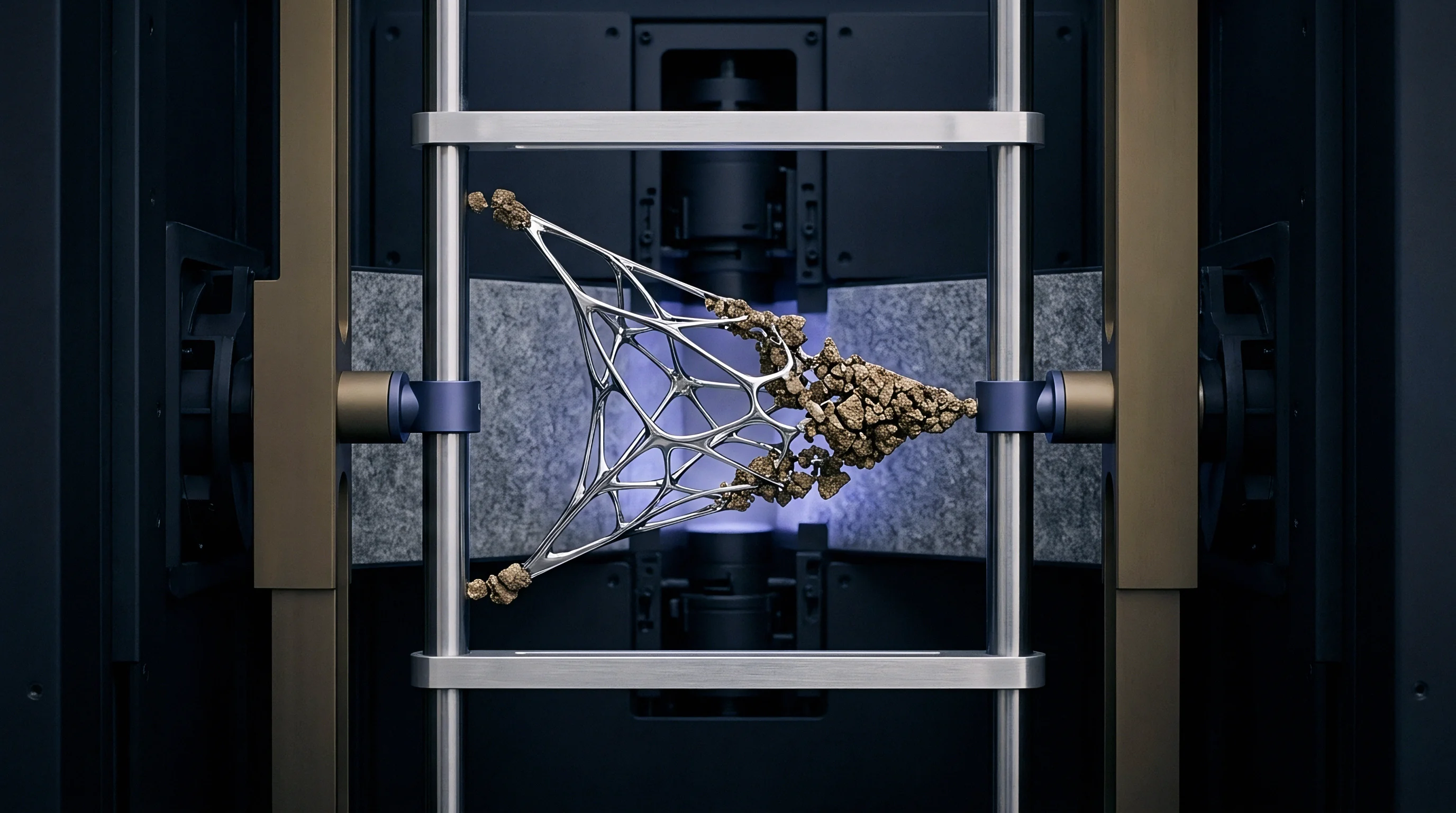
Droplets formed in the close coupled gas atomization plume undergo rapid solidification rates ranging from 10 to the 4th to 10 to the 7th Kelvin per second. Heat transfer from liquid micro-droplets into the inert gas stream operates predominantly through conductive and convective boundary layer mechanics. Radiative heat loss plays a minor role for particles smaller than 45 micrometers in diameter.
High cooling rates freeze metastable microstructures, suppressing equilibrium grain growth and coarse phase separation in active anode materials.
Silicon-containing alloy powders require nanoscale domain structures to resist volumetric expansion during lithiation in lithium-ion battery cells. Pure crystalline silicon expands roughly 300 percent upon full lithiation, causing mechanical pulverization and rapid capacity loss. Atomized alloy formulations freeze active silicon domains within an inactive or electrochemically benign matrix such as iron silicide or titanium silicide.
Rapid thermal quenching prevents primary silicon crystals from nucleating into coarse grains, locking the active phase into sub-50 nanometer crystallites or amorphous domains dispersed inside the supportive matrix.
Solidification speed dictates final phase distribution. Liquid droplets enter a deep undercooling state before homogeneous or heterogeneous nucleation begins. Higher undercooling levels increase nucleation frequency while reducing grain boundary velocity, resulting in ultrafine cellular or eutectic microstructures.
The table below outlines microstructural characteristics achieved across distinct droplet size fractions during inert gas atomization of a silicon-iron eutectic alloy.
| Particle Size Fraction | Calculated Cooling Rate | Silicon Phase Domain Size | Microstructural Morphology |
|---|---|---|---|
| Below 10 micrometers | 2.5 times 10 to the 6th K/s | Amorphous to sub-15 nanometers | Uniform nano-eutectic network |
| 10 to 25 micrometers | 8.0 times 10 to the 5th K/s | 20 to 45 nanometers | Fine cellular silicon-silicide phase |
| 25 to 45 micrometers | 1.5 times 10 to the 5th K/s | 50 to 110 nanometers | Coarse dendritic phase separation |
| Above 45 micrometers | 3.0 times 10 to the 4th K/s | Exceeds 200 nanometers | Coarse primary silicon precipitate |
Inert gas purity inside the atomization tower dictates surface oxidation depth on emerging micro-droplets. Trace moisture or oxygen levels in argon or nitrogen processing atmospheres create surface oxide layers during high-temperature flight. An oxygen concentration of 10 parts per million in atomization gas yields a surface silicon oxide layer 1.5 to 3.0 nanometers thick on molten droplets before solidification completes.
Surface oxide layers increase initial irreversibility during cell formation cycles, lowering initial coulombic efficiency. Nitrogen atomization gas can form thin nitride passivating layers on reactive alloys, altering powder surface energy and binder interaction in battery electrode slurries.
Smaller droplets solidify before microstructural phase separation can degrade electrochemical reversibility.

Distribution
Anode powder sizing requires narrow particle size distributions to optimize packing density and electrode coating uniformity. Close coupled gas atomization produces log-normal particle distributions characterized by a span value, defined as the quantity D90 minus D10 divided by D50. Typical unclassified atomization yields span values between 1.4 and 2.2.
Battery electrode processing demands span values below 1.2 to prevent binder segregation and micro-cracking during electrode calendering.

Which Gas Velocity Threshold Controls Satellite Formation?
Satellite formation occurs when small, solidified fine particles circulate within the expansion chamber and collide with larger, semi-molten droplets. Gas velocities inside the atomization chamber recirculation zone driving small fines back toward the main spray plume above 12 meters per second increase satellite attachment rates. Satellites alter particle sphericity, increase specific surface area, and degrade powder flowability.
Operating chamber pressure and gas extraction flow rates control recirculation velocity fields, minimizing turbulent fine recirculation back into the atomization plume.
Downstream processing separates atomized powder into controlled fractions using high-efficiency cyclone separators and air classifiers. Fines below 3 micrometers increase target surface area, consuming excess liquid electrolyte to form solid electrolyte interphase layers during initial cell charging. Coarse particles above 30 micrometers cause coating defects on current collector foils during high-speed doctor-blade application.
Yield of powder within the ideal 5 to 25 micrometer size band dictates process commercial viability.
Yield calculations illustrate process efficiency. Consider a 1,000 kilogram atomization batch yielding the following raw particle breakdown:
- Sub-5 Micrometer Fines count for 180 kilograms, representing fine dust loss and excessive surface area material.
- Target 5-25 Micrometer Powder achieves 520 kilograms, representing usable high-performance battery anode feedstock.
- Mid-Coarse 25-45 Micrometer Powder accounts for 210 kilograms, diverted to lower-grade battery applications or thermal spray feedstocks.
- Oversize Above 45 Micrometers totals 90 kilograms, routed back to remelt processing.
Process yield within the target band reaches 52 percent. Operating cost per kilogram of usable anode powder scales directly with target band yield, making nozzle optimization central to production economics. Adjusting gas velocity and melt superheat shifts the log-normal distribution median toward lower values, but over-refinement increases the sub-5 micrometer fraction, trading coarse waste for fine waste.
Coarse fractions above 30 micrometers pierce thin battery separators and cause localized short circuits in high-energy density cells.
Powder morphology affects tap density and packing fraction in finished anodes. Spherical particles without satellite projections pack efficiently, reaching tap densities above 55 percent of theoretical solid material density. Irregular or heavily satellited particles wedge against one another, lowering tap density below 42 percent.
Low packing density requires higher solvent volumes during electrode slurry mixing, raising drying energy expenses and increasing drying line footprint during battery cell assembly.
Failing to hold strict upper particle size cutoffs results in line stoppages, slurry filtering failures, and severe doctor-blade streaking on copper foil substrates.

Slurry
Interphase characteristics between atomized alloy powder, polymeric binders, and conductive additives determine electrode mechanical integrity and rate capability. Silicon alloy particles produced via close coupled gas atomization exhibit surface native oxides or passivating coatings that define chemical bonding with aqueous binders like carboxymethyl cellulose and polyacrylic acid. Polyacrylic acid forms covalent hydrogen bonds with silanol groups on particle surfaces, creating a flexible cross-linked network that maintains electronic contact during volumetric cycling.
Powder surface area determines binder demand and slurry rheology. High specific surface area caused by high fine fractions or rough surface morphology absorbs excess solvent and binder molecules. This absorption increases zero-shear viscosity, leading to shear-thinning instability during high-speed slot-die coating onto current collectors.
Atomized powders held within a strict 5 to 25 micrometer size range present BET surface area values between 1.2 and 2.5 square meters per gram, providing low slurry viscosity at high solid loadings up to 65 percent by weight.
| Powder Condition | BET Surface Area | Slurry Solid Content | Viscosity at 100 s⁻¹ | Coating Adhesion Strength |
|---|---|---|---|---|
| Smooth Spherical (Optimized CCGA) | 1.4 m²/g | 62 percent | 3,200 mPa·s | 18.5 N/m |
| Satellited Spherical | 2.8 m²/g | 54 percent | 4,800 mPa·s | 12.1 N/m |
| Irregular Water-Atomized | 4.5 m²/g | 45 percent | 6,500 mPa·s | 8.2 N/m |
Calendering condenses the coated electrode layer to achieve target volumetric energy density. High tap density powder derived from smooth atomized spheres compresses uniformly without crushing underlying conductive carbon networks. Non-spherical particles rotate and lock under roller pressure, generating uneven stress distributions that warp thin copper foil substrates.
Uniform stress distribution prevents localized foil tearing and maintains electrode thickness tolerances within plus or minus 1.0 micrometer across wide rolls.
Batch-to-batch slurry viscosity drift often stems from minor variations in atomization gas pressure within standard manufacturing tolerances.
Tariff
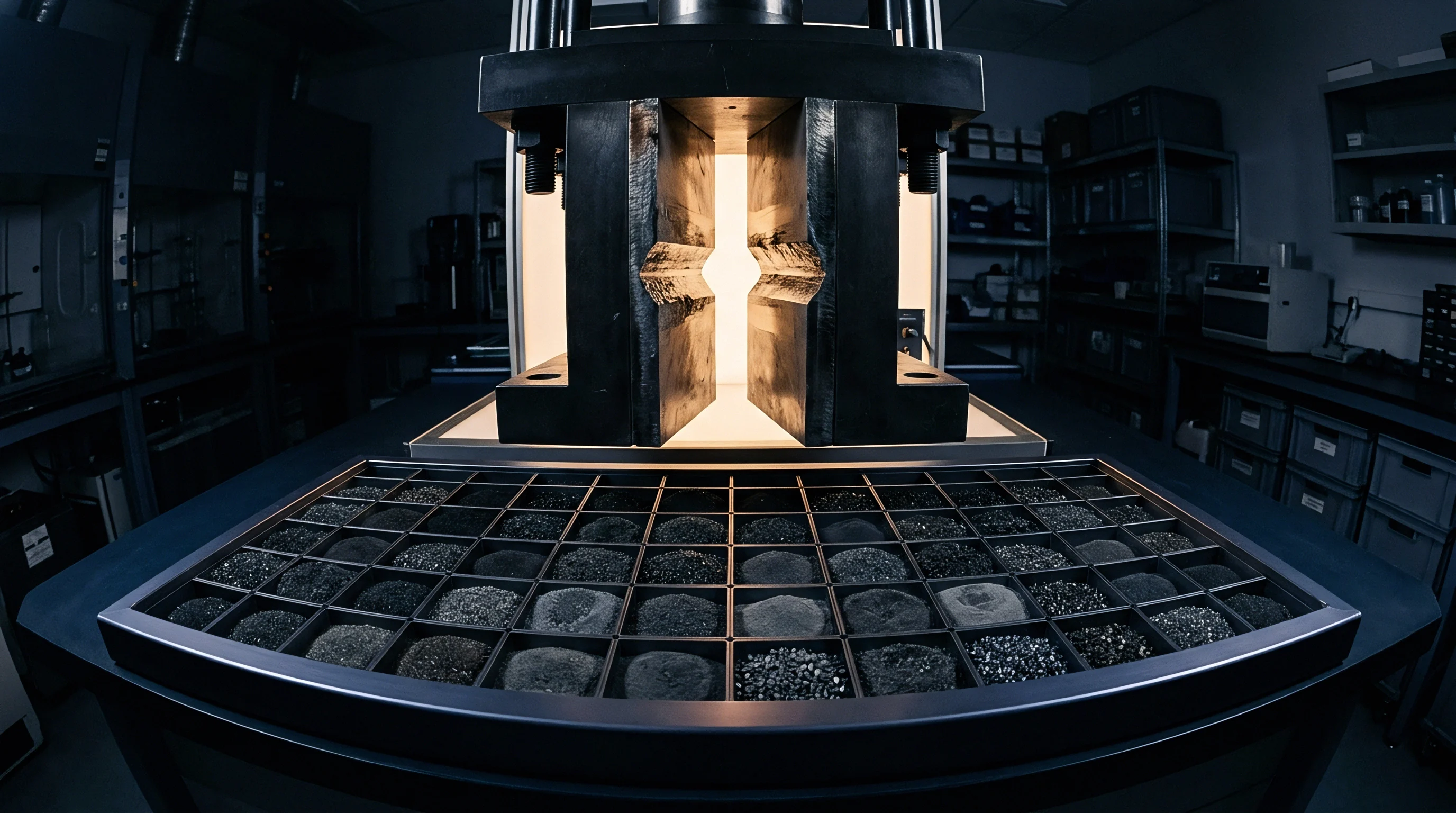
Production economics of close coupled gas atomization centre on inert gas consumption, melt yield ratios, and electrical power inputs. High-purity argon gas constitutes the primary variable operating cost when atomizing reactive silicon and lithium-compatible alloys. Gas-to-metal mass ratios of 4.0 operating at delivery pressures between 3.5 and 5.0 MPa require 4,000 kilograms of argon per 1,000 kilograms of liquid metal processed.
Without closed-loop gas recovery systems, gas costs surpass raw metal substrate expenses.
Gas recovery units compress, purify, and recirculate atomization gas back through the system. Recirculation loops capture up to 96 percent of atomization gas, dropping net gas consumption to 160 kilograms per tonne of processed alloy. Capital expenditure for gas purification and high-pressure compression plants ranges between 1.5 million and 3.0 million USD depending on throughput.
The table below compares single-pass open consumption against closed-loop recovery economics for a 2,000-tonne annual capacity plant.
| System Architecture | Annual Gas Usage | Unit Gas Cost | Annual Gas Expenditure | Amortized System CapEx |
|---|---|---|---|---|
| Single-Pass Open Argon System | 8,000,000 kg | 1.85 USD/kg | 14,800,000 USD | 0 USD |
| Closed-Loop Recovery Argon System | 320,000 kg | 1.85 USD/kg | 592,000 USD | 450,000 USD/year |
| Single-Pass Open Nitrogen System | 8,000,000 kg | 0.35 USD/kg | 2,800,000 USD | 0 USD |
Calculated landed costs for atomized battery anode powders incorporate melt yields, sizing recovery efficiency, gas consumption, and energy overhead. A typical cost breakdown for high-purity silicon-iron alloy powder assumes:
- Raw material alloy feedstock costs 12.50 USD per kilogram at 99.99 percent purity.
- Melting, atomizing, and handling power consumption consumes 3.2 kWh per kilogram of liquid metal at 0.12 USD per kWh.
- Closed-loop argon gas loss adds 0.30 USD per kilogram of atomized melt.
- Classification target yield achieves 55 percent usable powder in the 5 to 25 micrometer band.
Base melt cost totals 13.18 USD per kilogram of raw atomized powder. Dividing base melt cost by the 55 percent target classification yield produces a net material cost of 23.96 USD per kilogram. Downstream air classification processing, packaging, and quality verification testing add 2.80 USD per kilogram.
Final landed manufacturing cost before distributor margin reaches 26.76 USD per kilogram of qualified sub-25 micrometer alloy powder.
Yield fraction within specified particle bands dominates finished powder pricing over raw material commodity costs.
Purchase contracts for atomized anode powders must include explicit clauses defining particle size endpoints, surface oxygen limits, and tap density thresholds. Standard commercial agreements state that delivered powder lots failing to meet D90 size limits or exceeding 1.5 percent total oxygen content by weight trigger full lot rejection at supplier expense, requiring replacement within 21 business days.