Nonlinear Fatigue Fracture Limits in Hydrolytically Aged Cell to Chassis Structural Bondlines
Hydrolytic aging lowers adhesive fatigue threshold energy by over fifty percent, shifting cohesive structural cell bond failure to accelerated interfacial tearing.

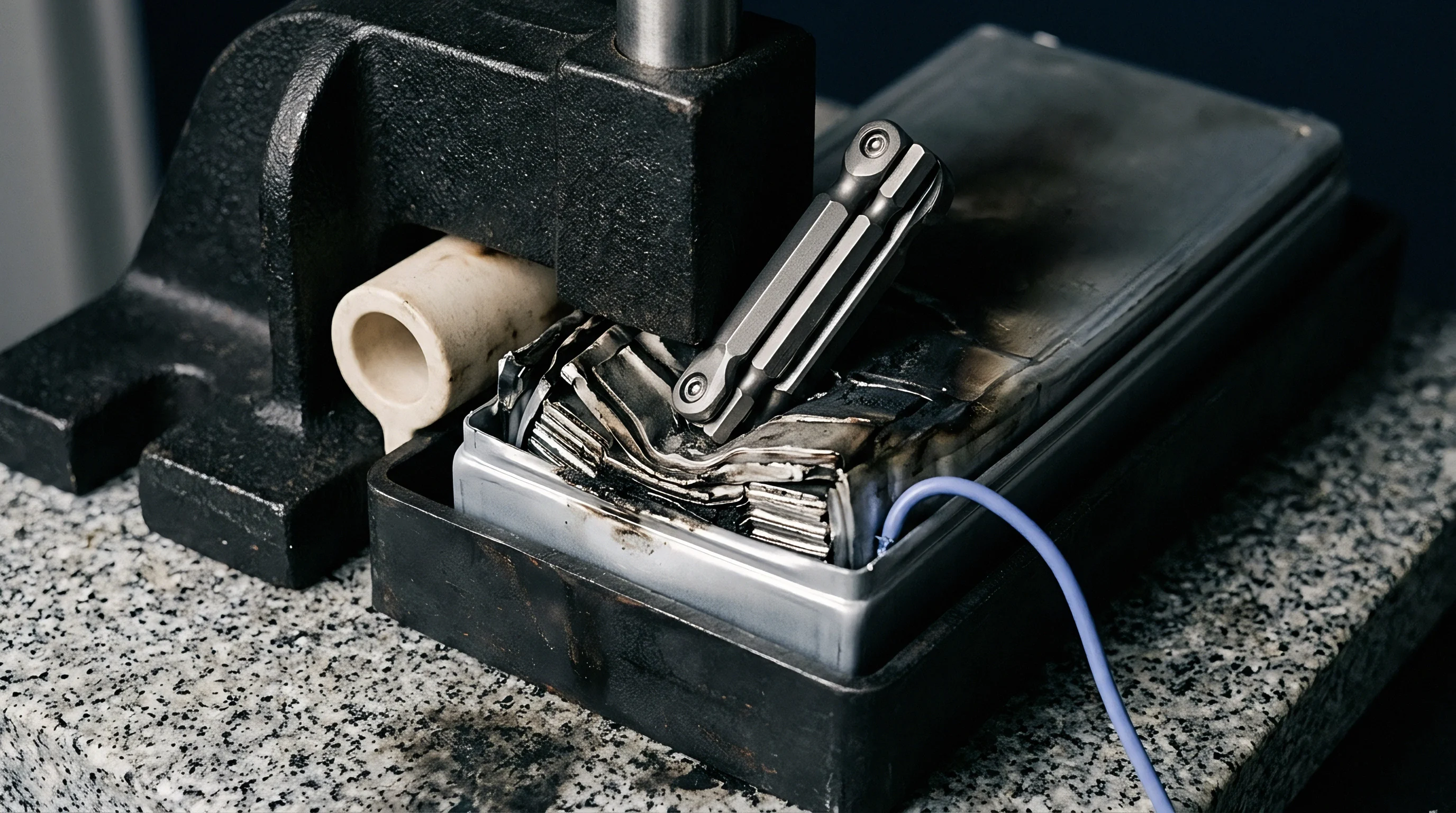
Hydrolysis
Moisture ingressing into structural adhesive joints alters the mechanical response of cell-to-chassis bonds through coupled physical and chemical mechanisms. Structural cell-to-pack and cell-to-chassis architectures rely on high-modulus polyurethane and toughened epoxy adhesives to transfer structural shear and torsional loads directly from the vehicle frame into the battery cell matrix. These structural bondlines operate in unsealed ambient micro-environments exposed to atmospheric humidity, thermal cycling, and road wash water.
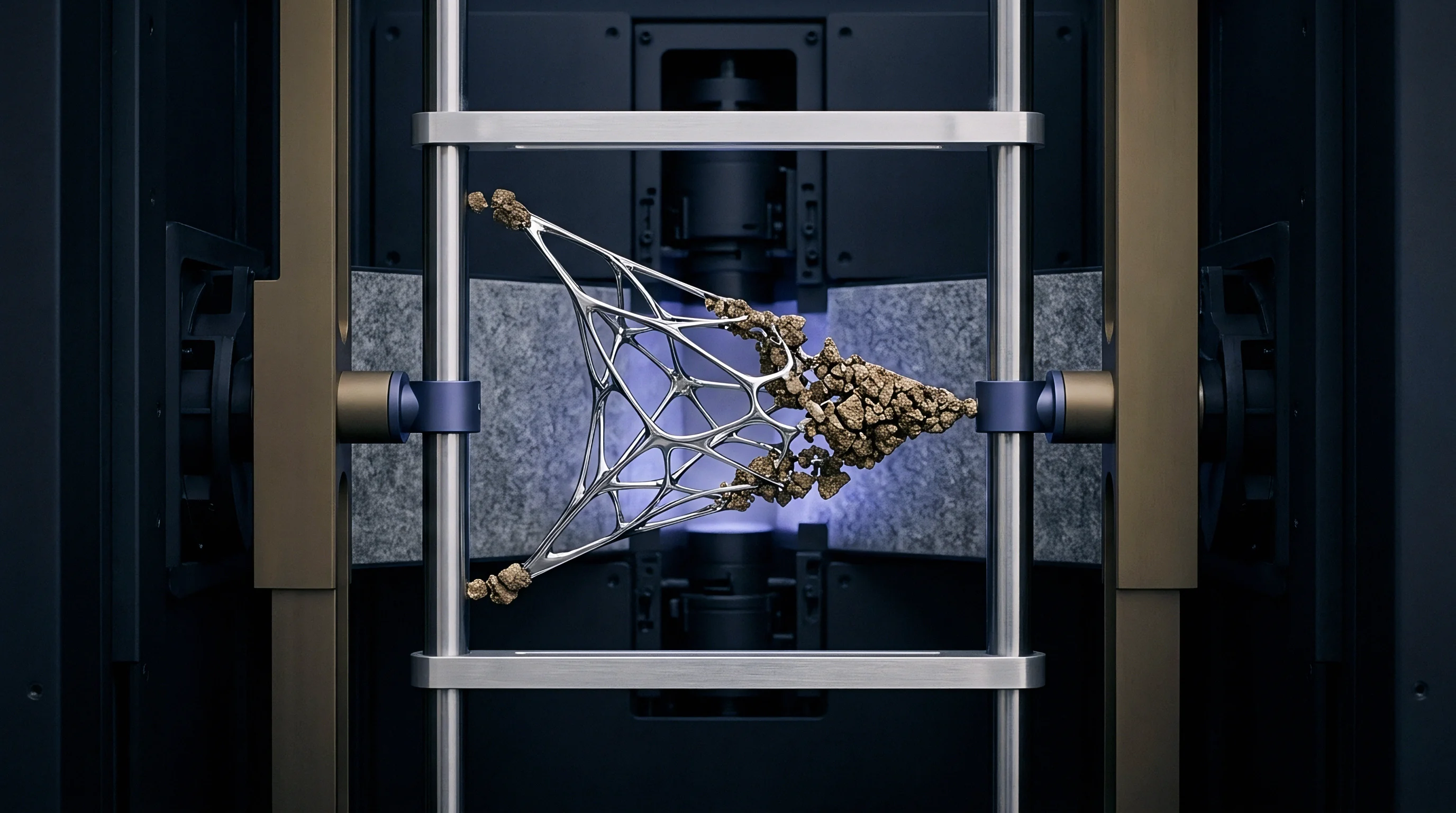
Saturated Moisture Ingress and Chain Scission Dynamics
Adhesive networks absorb ambient water until reaching equilibrium saturation levels dictated by ambient temperature and relative humidity. Initial water intake causes reversible matrix plasticization, expanding free volume and lowering the glass transition temperature of the polymer network. Prolonged exposure under elevated temperature drives irreversible hydrolytic chain scission within the hard and soft segments of two-part polyurethane structural formulations.
Polyester-based polyurethanes undergo ester linkage hydrolysis, forming carboxylic acid end-groups that auto-catalyze further backbone breakdown. Polyether-based polyurethanes demonstrate superior hydrolytic stability compared to polyesters, yet remain vulnerable to ether linkage cleavage and hydrogen bond disruption between hard urethane domains and soft polyether segments under sustained warm, humid environments.
Diffusion of water through the bondline bulk obeys Fickian transport kinetics during initial exposure stages, transitioning to non-Fickian dual-sorption behavior as micro-voids and micro-cracks form within the degrading adhesive matrix. The temperature dependence of the diffusion coefficient follows an Arrhenius relationship, accelerating moisture accumulation during high-temperature vehicle operation or thermal run-away events in adjacent cell groups. As moisture concentration rises toward saturation, the bulk adhesive experiences differential volume swelling.
Constrained by rigid aluminum cell cases and extruded chassis channels, this differential swelling generates internal residual tensile stresses across the adhesive-adherend interface.

Interfacial Degradation at Silane Coupling Agent Layers
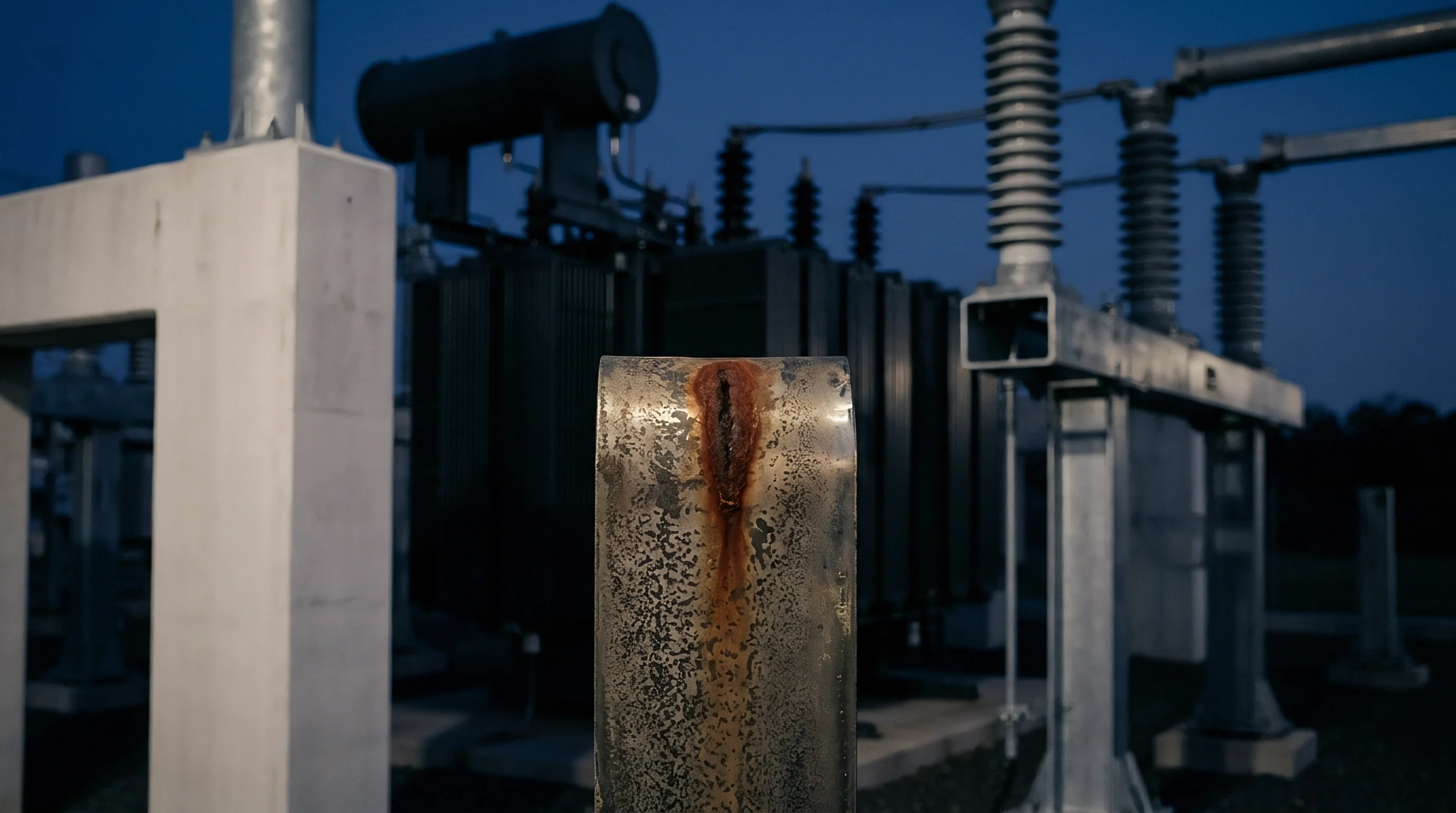
Boundaries between metal oxides and polymer adhesives rely on organofunctional chemistry to transmit mechanical shear across structural joints. Surface preparation protocols routinely deposit gamma-aminopropyltriethoxysilane or organosilane primers on passivated aluminum cell casings and structural chassis extrusions to establish covalent siloxane bonds with the surface hydroxyl groups. Moisture ingressing along the adhesive-substrate interface hydrolyzes these siloxane linkages, converting structural covalent bonds back into non-bonded hydroxyl silanol species.
Hydrolytic debonding at the interface alters the fundamental failure mode of structural cell joints. Unaged structural bondlines tested under static lap shear exhibit cohesive failure within the bulk polymer matrix. Hydrolytically aged bondlines experience a transition from cohesive failure to adhesive interfacial debonding at significantly lower gross engineering strain.
Microscopic examination of fractured surfaces reveals clean metal substrate separation, confirming that interfacial chemical degradation outpaces bulk matrix plasticization under aggressive hot-wet aging conditions.
Post-exposure bondline separation stems from intrinsic polyether linkage cleavage under sustained high humidity rather than unwashed surface oils.
Moisture
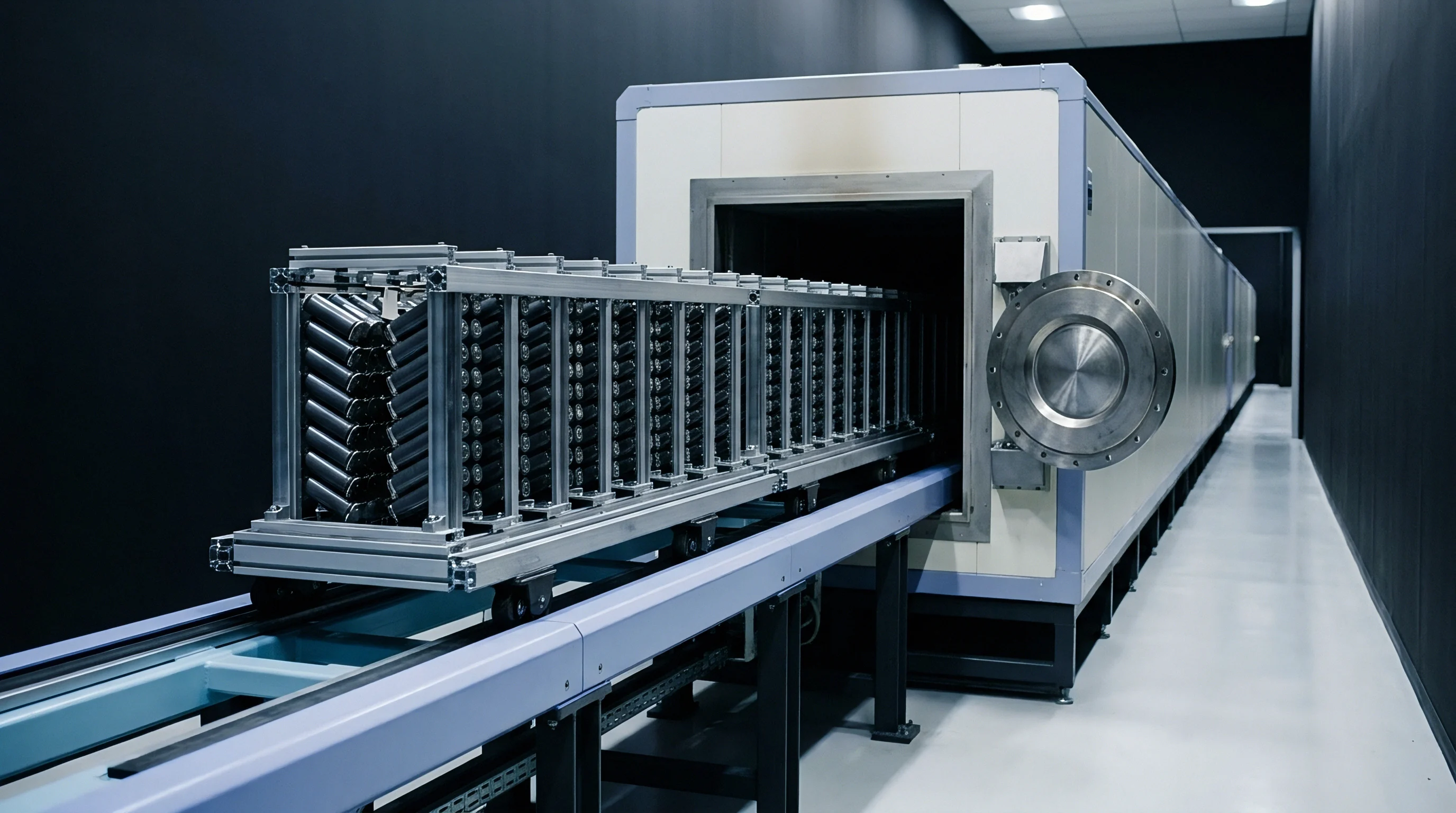
Environmental chamber aging protocols expose structural battery joints to accelerated relative humidity and elevated temperatures. Standard qualification programs for automotive cell-to-chassis structural adhesives enforce continuous hot-wet storage regimes such as eighty-five degrees Celsius at eighty-five percent relative humidity, alongside cyclic damp heat testing per standardized environmental test frameworks. These accelerated profiles simulate ten to fifteen years of field environmental exposure within compressed laboratory test windows ranging from five hundred to two thousand hours.
Glass Transition Temperature Depression and Modulus Loss
Polymer mobility increases dramatically as dissolved water acts as a low-molecular-weight plasticizer inside crosslinked resin networks. The insertion of water molecules between polymer chains disrupts intermolecular hydrogen bonding, reducing the elastic modulus and tensile yield strength of the structural adhesive. Differential scanning calorimetry measurements demonstrate substantial drops in glass transition temperature as moisture saturation approaches equilibrium values.
Storage modulus curves derived from dynamic mechanical thermal analysis show that plasticization shifts the glass transition relaxation peak toward lower operating temperatures. For structural polyurethanes specified with an unaged glass transition temperature of sixty degrees Celsius, saturation at eighty-five percent relative humidity depresses the glass transition temperature to twenty-five degrees Celsius. Operating a vehicle battery pack near or above the moisture-depressed glass transition temperature transforms the structural bondline from a rigid load-bearing matrix into a highly compliant viscoelastic damping layer.
Structural polyurethane adhesives exposed to warm relative humidity show reversible elastic softening prior to irreversible backbone scission.
| Adhesive Chemistry Class | Initial Modulus (MPa) | Aged Modulus 1000h (MPa) | Initial Tg (°C) | Aged Tg 1000h (°C) | Water Uptake (wt%) |
|---|---|---|---|---|---|
| Two-Part Polyurethane (2K PU) | 1850 ± 120 | 620 ± 85 | 58 ± 3 | 22 ± 4 | 3.85 ± 0.25 |
| Toughened Epoxy (2K EP) | 3400 ± 210 | 2150 ± 160 | 88 ± 4 | 54 ± 5 | 1.95 ± 0.15 |
| Silyl-Modified Polymer (SMP) | 450 ± 35 | 310 ± 30 | -12 ± 2 | -18 ± 3 | 1.10 ± 0.10 |
Reversible softening during moisture uptake recovers partially upon post-exposure drying, but irreversible chemical hydrolysis permanently damages structural load capacity. The loss of crosslink density prevents full recovery of initial shear modulus and ultimate tensile strength even after complete moisture desorption inside desiccant environments. Structural adhesives exposed to continuous high humidity soften irreversibly before visible interfacial detachment appears at the substrate boundary.
Toughening
Incorporating rubber micro-domains inside high-modulus adhesive matrices increases energy dissipation during crack propagation. Un-toughened thermosetting resins exhibit brittle fracture behavior, propagating cracks rapidly along low-energy paths once initial defects reach critical size. Automotive structural bondlines utilize elastomeric toughening agents, including core-shell rubber particles, reactive liquid rubbers such as carboxyl-terminated butadiene acrylonitrile, and block copolymer self-assemblies to alter crack tip energy dynamics.

Plastic Zone Confinement in Thin Structural Bondlines
Stress distribution ahead of a crack tip experiences spatial limitation when bondline thickness drops below two millimeters. In bulk structural adhesive specimens, the plastic zone ahead of a crack tip expands freely, allowing extensive shear yielding and elastomeric particle cavitation. In thin cell-to-chassis structural joints with nominal bondline thickness between zero point five and one point five millimeters, rigid aluminum adherends physically restrict the development of the forward plastic zone.
High spatial constraint alters the state of stress from plane stress toward high hydrostatic triaxial tension. This triaxial stress state inhibits matrix shear yielding, promoting localized micro-cleavage and premature void coalescence ahead of the primary crack front. Linear elastic fracture mechanics parameters like critical stress intensity factor fail to characterize structural joint toughness under thin bondline constraint, requiring non-linear fracture parameters such as the critical J-integral or total critical energy release rate.

Deactivation of Core Shell Rubber Cavitation
Elastomeric particles dispersed inside epoxy matrices expand under hydrostatic tension to absorb impact strain. Cavitation of core-shell rubber particles relieves local triaxial constraint, inducing plastic shear banding in the surrounding matrix resin. Hydrolytic aging degrades this toughening mechanism through plasticization of the matrix resin and swelling of the rubber core structures.
Absorbed water lowers the yield stress of the epoxy matrix below the cavitation threshold stress of the core-shell rubber particles. The plasticized matrix yields at reduced stress levels before triaxial tension builds up sufficiently to trigger rubber core cavitation. Energy dissipation through shear banding decreases while void growth accelerates rapidly along weak matrix interfaces.
Hydrolytic aging degrades the matrix phase, deactivating the primary energy-absorbing mechanisms designed into the toughened adhesive formulation.
Saturated polyurethane bondlines at one millimeter thickness suffer a sixty percent reduction in Mode I critical fracture toughness under room temperature testing.
- Plasticized Matrix Cavitation Micro-void generation accelerates ahead of the main crack tip under localized tensile fields.
- Interfacial Silane Cleavage Water molecules break covalent bonds between organosilane primer layers and metal surface oxides.
- Hydrolytic Swelling Mismatch Differential expansion between cell casings and structural adhesive generates persistent background shear stress.
- Cohesive Tear Decay Chain scission reduces polymer network entanglements, weakening energy dissipation inside the forward crack tip zone.

Where Does Cohesive Zone Law Softening Diverge?
Bilinear traction-separation relations model structural adhesive degradation by reducing peak tensile stress and initial stiffness simultaneously. FEA fracture simulations rely on cohesive zone elements placed along predicted crack paths to calculate fracture progression under external structural loads. Hydrolytic aging modifies both the peak cohesive traction and the critical displacement at complete separation.
The exact threshold where moisture-induced plasticization transitions into permanent cohesive strength degradation across diverse rubber-modified formulations remains unquantified under multi-axial stress fields.


Fatigue
Repeated mechanical stress cycles driven by vehicle dynamic loads and swelling cell frames initiate subcritical micro-cracks inside structural adhesive joints. Structural battery enclosures undergo continuous vibration, chassis frame twisting, and cyclic swell forces generated during lithium-ion cell charge and discharge sequences. These cyclic loads induce fatigue crack growth at energy release rates far below the static critical fracture toughness of the adhesive material.

Modified Paris Law and Cyclic Strain Energy Release Rates
Subcritical crack growth rates under cyclic displacement follow power-law formulations linked to energy release ranges. Fatigue fracture mechanics quantifies subcritical crack propagation using the relationship between crack extension per cycle and the cyclic range of the strain energy release rate. The power-law relationship follows the modified Paris expression:
da / dN = C (Delta G)^m
where da/dN represents the fatigue crack growth rate in millimeters per cycle, Delta G represents the range of the applied strain energy release rate per cycle, C represents the fatigue scaling coefficient, and m represents the Paris exponent reflecting matrix fatigue sensitivity.
Hydrolytic exposure alters both Paris coefficients significantly. Water ingress shifts the fatigue crack growth curve toward lower strain energy release rates, increasing the crack growth rate da/dN by several orders of magnitude for an identical applied cyclic load. The threshold strain energy release rate Delta G_th, below which subcritical crack growth ceases, drops by fifty to seventy-five percent in hydrolytically aged structural adhesives.
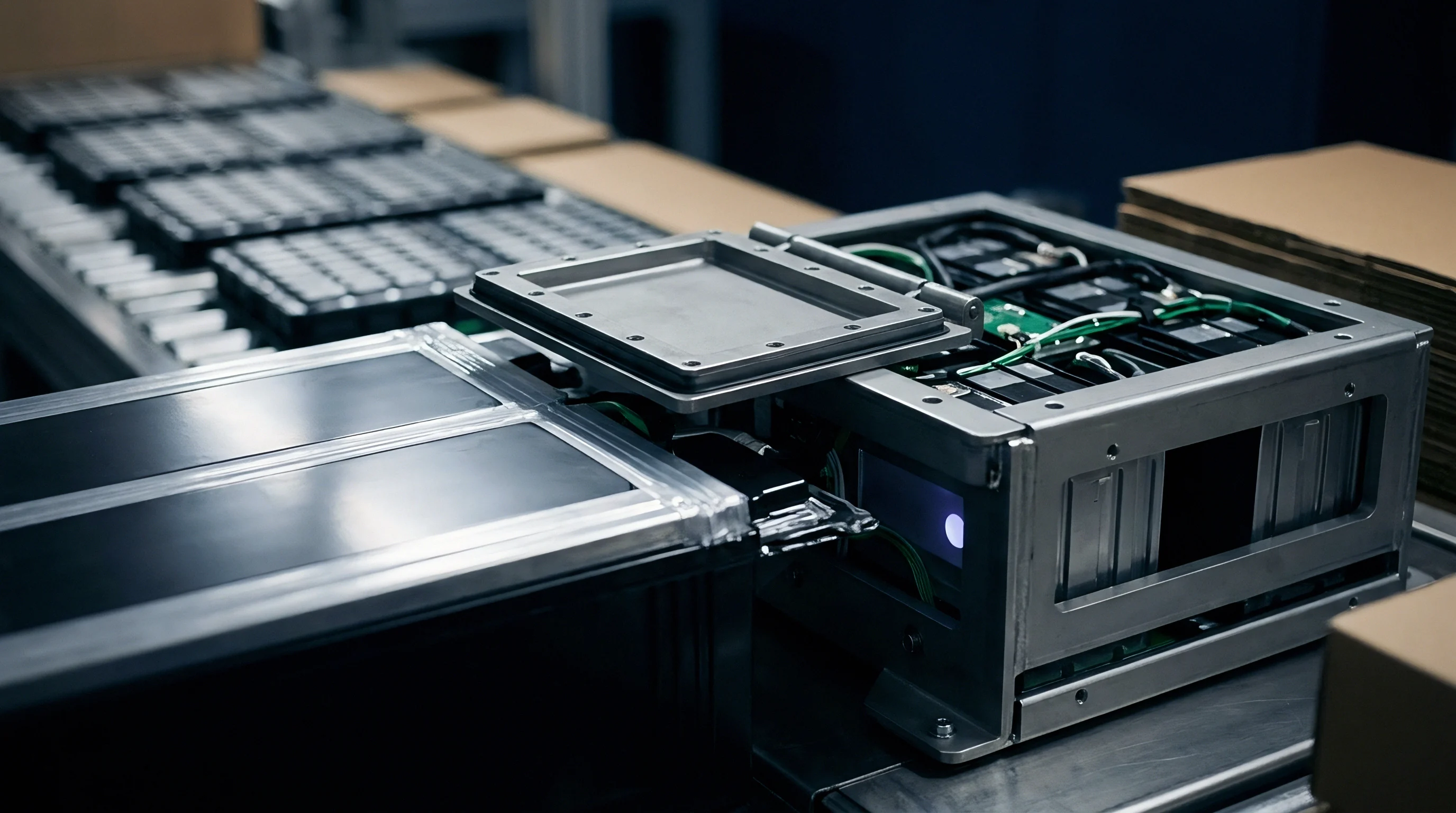
Shift in Fatigue Crack Threshold Energy
Minimum strain energy ranges necessary to drive crack extension fall dramatically following environmental exposure. Moisture weakens polymer chain networks and interfacial chemical bonds, lowering the intrinsic fracture fatigue limit of the bonded joint.
A worked fracture mechanics calculation demonstrates the operational impact of hydrolytic aging on structural bondline fatigue life. A structural cell-to-chassis bondline with one millimeter thickness contains an initial edge flaw size a_0 of zero point two millimeters following manufacturing assembly. The vehicle chassis subjects the joint to cyclic shear loading generating an applied strain energy release rate range Delta G of one hundred twenty Joules per square meter at a frequency of one Hertz.
In the unaged state, the two-part polyurethane adhesive exhibits Paris parameters C = 1.5 x 10^-11 and exponent m = 2.8 when Delta G is measured in Joules per square meter and da/dN in millimeters per cycle. Calculating initial crack growth rate:
da / dN = (1.5 x 10^-11) (120)^2.8 = 1.04 x 10^-5 mm / cycle
Following one thousand hours of exposure to eighty-five degrees Celsius and eighty-five percent relative humidity, hydrolytic scission and plasticization degrade the matrix network. Re-testing the aged material yields modified Paris parameters C = 8.2 x 10^-8 and exponent m = 1.9 under identical test conditions:
da / dN = (8.2 x 10^-8) (120)^1.9 = 7.31 x 10^-4 mm / cycle
Comparing these crack propagation rates shows a seventy-fold acceleration in subcritical fatigue crack growth following environmental exposure. The number of allowable load cycles before reaching a critical crack length of two millimeters drops from one hundred seventy-three thousand cycles to under two thousand five hundred cycles. The structural joint experiences catastrophic fatigue unbonding inside standard operational service windows when environmental degradation is omitted from structural lifetime calculations.
Compliance with DIN 6701 structural bonding requirements mandates cyclic fatigue validation on hydrolytically aged joints to prevent catastrophic unbonding in service.
| Material & State | Static J_Ic (J/m²) | Fatigue Threshold ΔG_th (J/m²) | Paris Coefficient C | Paris Exponent m |
|---|---|---|---|---|
| 2K Polyurethane (Unaged) | 2450 ± 110 | 380 ± 25 | 1.5 x 10⁻¹¹ | 2.80 ± 0.12 |
| 2K Polyurethane (Aged 1000h) | 980 ± 65 | 115 ± 15 | 8.2 x 10⁻⁸ | 1.90 ± 0.10 |
| Toughened Epoxy (Unaged) | 3800 ± 180 | 620 ± 40 | 3.2 x 10⁻¹³ | 3.45 ± 0.15 |
| Toughened Epoxy (Aged 1000h) | 2100 ± 130 | 290 ± 20 | 4.1 x 10⁻⁰ | 2.75 ± 0.12 |
- Cavitation Void Coalescence Cyclic tension drives micro-void growth in soft polyether domains ahead of the macro-crack tip.
- Hydrolytic Silanol Re-formation Water molecules cleave siloxane interfaces, forcing cyclic fatigue crack paths directly along substrate surfaces.
- Viscoelastic Hysteretic Heating Dynamic cyclic loading generates internal friction heat, raising bondline temperature and accelerating localized moisture degradation.
- Plastic Zone Boundary Fatigue Swelling-induced background strain fields add persistent tensile mean stress to external dynamic vehicle vibrations.
Ignoring environmental aging in cyclic fatigue failure models leads to structural pack detachment, damaged electrical interconnects, and total pack assembly replacement.


Mechanics
Predicting structural joint endurance requires precise characterization of Mode I tension and Mode II shear energy release rates. Standardized fracture mechanics testing isolates specific deformation modes using specialized specimen geometries and load application fixtures.
Mode I and Mode II Fracture Energy Determination
Double cantilever beam tests deliver stable crack propagation metrics for opening displacements in structural adhesives. Testing follows ASTM D5528 and ISO 15024 specifications, utilizing bonded aluminum adherends loaded in tension perpendicular to the bondline plane. Double cantilever beam tests yield Mode I critical strain energy release rates G_Ic across varying moisture exposure durations.
Mode II shear fracture characterization uses End-Notched Flexure specimens per ASTM D7905 or calibrated three-point bend fixtures. Structural cell-to-chassis bondlines experience substantial Mode II shear strains under vehicle chassis torsion and thermal expansion mismatches between battery cells and chassis extrusions. Hydrolytic aging degrades Mode II shear fracture energy G_IIc more rapidly than Mode I opening fracture energy, as moisture plasticization reduces the matrix yield strength governing shear zone dissipation.
Dispense Geometry and Surface Pretreatment Controls
Automated fluid dispensing maintains specified bead dimensions across large cell module mounting surfaces. Inconsistent adhesive bead geometry creates local thickness variations, inducing high stress concentrations at bondline fillets. Process engineers establish strict quality controls across surface preparation and dispensing operations to ensure consistent structural performance.
- Plasma treat aluminum cell casings at three hundred millimeters per second with compressed dry air activation.
- Apply silane-based structural primer within forty-five minutes of surface activation to prevent oxide layer re-passivation.
- Dispense structural adhesive with automated volumetric meter-mix equipment holding continuous bead profile within plus or minus zero point two millimeters.
- Clamp cell modules to battery chassis tray using pressure-monitored fixtures until reaching seventy percent shore D hardness.
- Conduct ultrasound non-destructive evaluation to verify total internal void area remains below two percent of total bond surface.
| Test Metric | Standard Designation | Specimen Geometry | Primary Failure Parameter |
|---|---|---|---|
| Mode I Fracture Energy | ASTM D5528 / ISO 15024 | Double Cantilever Beam (DCB) | Critical Energy Release Rate G_Ic |
| Mode II Fracture Energy | ASTM D7905 / ISO 15114 | End-Notched Flexure (ENF) | Shear Energy Release Rate G_IIc |
| Mixed-Mode Fracture | ASTM D6671 | Mixed-Mode Bending (MMB) | Total Mixed Energy G_I/IIc |
| Thick Adherend Shear | ISO 11003-2 | Rigid Lap Joint | Shear Stress-Strain Curve |
Adopting ISO 11003-2 thick-adherend shear test requirements in supply contracts redefines structural shear acceptance limits by accounting for moisture-induced strain softening.

Allowance
Engineering safety margins for cell-to-chassis structural bondlines account for long-term environmental degradation to prevent field warranty claims. Standard baseline safety factors calculated from unaged static lab tests fail to guarantee structural safety over ten-year vehicle operational lifespans exposed to real-world humidity and dynamic loading.

De-Rating Structural Load Capacity for Field Lifetimes
Structural load calculations applied to vehicle chassis designs incorporate knocked-down mechanical properties derived from environmental testing. Mechanical structural engineers apply environmental knockdown factors ranging from zero point three to zero point five to initial quasi-static cohesive strength values when sizing structural bondline contact areas. These knockdowns account for simultaneous matrix softening, interfacial siloxane hydrolysis, and fatigue threshold energy reductions.
Finite element simulations of cell-to-chassis assemblies use progressive damage modeling based on aged bilinear cohesive zone laws. Incorporating environmental knockdown factors directly into finite element models identifies localized stress concentrations early in the structural design cycle, allowing engineers to modify bondline thickness or add mechanical secondary fasteners before committing to high-cost production tooling.

Commercial Seams and Adhesion Quality Dossiers
Responsibility for structural bond integrity spans multiple manufacturing tiers in cell-to-body electric vehicle architectures. Cell manufacturers supply finished cell casings, tier-one adhesive suppliers provide chemical formulations, and automotive OEMs perform high-volume dispense and assembly operations. Clarifying quality seams prevents commercial disputes when environmental field failures occur.
Procurement contracts specify detailed qualification dossiers requiring adhesive vendors to provide environmental fatigue crack growth data alongside standard static lap shear certificates. Quality agreements mandate incoming lot testing of stoichiometric mix ratios, water content limits, and viscosity profiles. Operational qualification files establish clear legal boundaries regarding surface preparation parameters, ambient factory humidity controls, and non-destructive inspection acceptance thresholds.
Structural battery bondlines specified without long-term moisture fatigue testing transfer unquantified structural failure risk onto pack integrators.
Final commercial quotes for cell-to-chassis structural adhesives require verified fatigue threshold energy data on aged specimens before allocating production tooling budgets.