Meaning
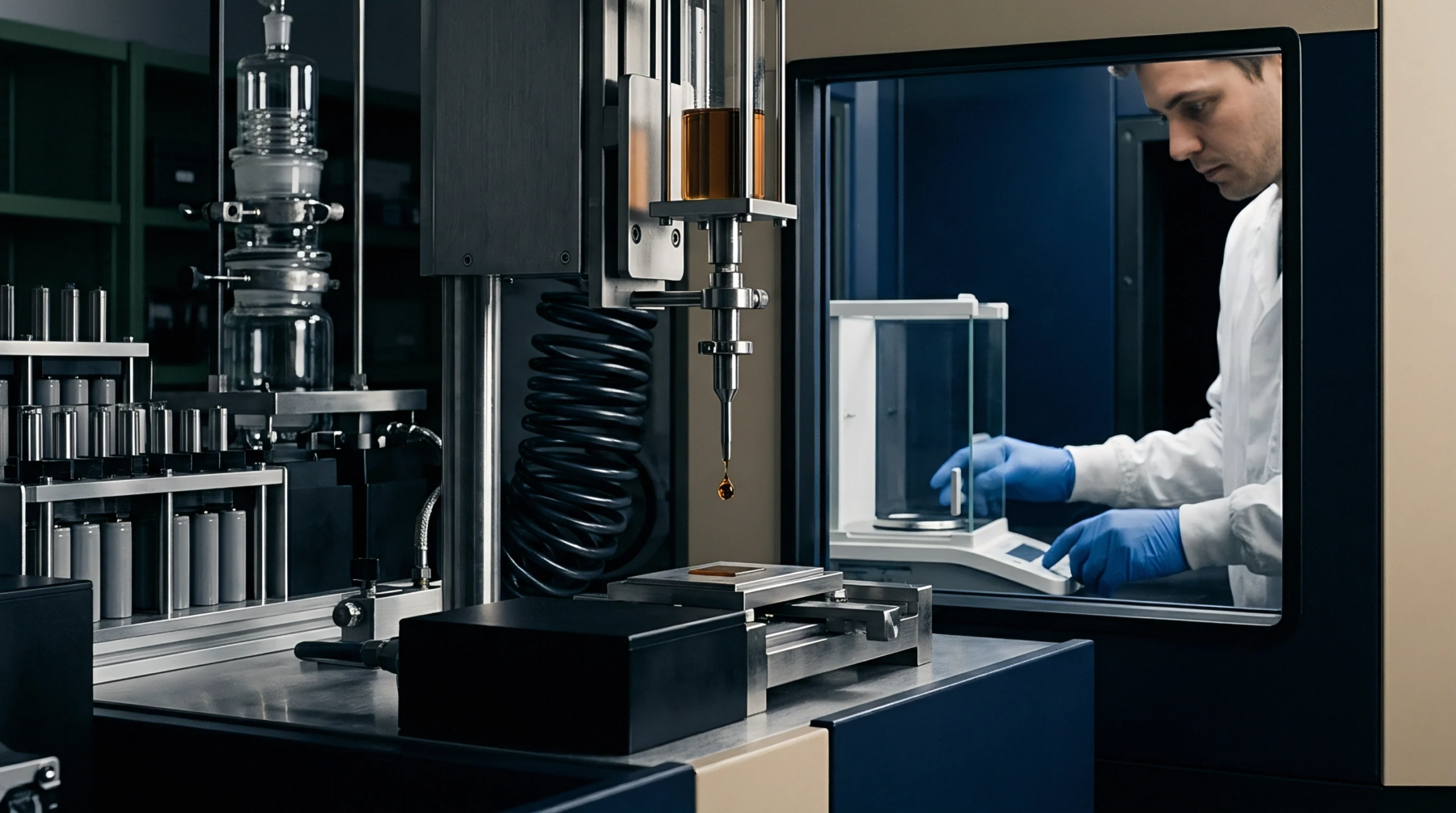
Physical study analyzes the propagation of cracks in materials to predict the conditions under which structural failure occurs. Fracture mechanics provides the mathematical framework for calculating the stress intensity at the tip of a flaw and determining if it will remain stable or grow. This discipline is applied to battery components to evaluate the durability of electrode particles and separator membranes under cyclic loading.
Stress Intensity
Localized force at a crack tip is expressed as a function of the applied load and the geometry of the defect. In the context of fracture mechanics, the value K represents the stress intensity factor which must stay below the fracture toughness of the material. Brittle materials like ceramic coatings have low resistance to crack growth.
Growth Prediction
Mathematical models allow engineers to estimate the remaining useful life of a component based on the size of existing flaws. Because fracture mechanics accounts for both the material properties and the structural loads, it is used to set the safety limits for battery operation.
Design Limit
Component thickness and material selection are optimized to prevent the initiation of cracks during the manufacturing process. Applying the principles of fracture mechanics ensures that the battery can withstand the mechanical shocks and thermal expansion encountered in automotive applications. Failure to consider these factors can lead to internal short circuits and thermal runaway.
Proper testing involves measuring the energy required to propagate a crack through a standardized specimen.