Inter Cell Thermal Barrier Performance in Large Format Lithium Cells
Inter-cell aerogel barriers must maintain thermal conductivity under 0.035 W/m·K at compressed end-of-life pressure to prevent domino runaway propagation.
Mat
Polymer matrix composites and porous inorganic sheets are used to block thermal runaway propagation inside high-energy battery packs. With large-format prismatic cells scaling past 300 Ah and pouch cells exceeding 100 Ah, tighter packing leaves little physical separation between cell casings, increasing direct heat transfer during local exothermal failures. Inter-cell insulation must therefore remain non-conductive under baseline clamping pressure while withstanding local temperatures above 1000 °C without collapsing.
Selecting the right insulation often determines if a single-cell thermal event stays contained or cascades across the entire pack. Common choices include aerogel blankets, phlogopite mica sheets, ceramic fiber felts, and organic silicone foams. Every material family involves trade-offs between uncompressed thermal resistance, long-term compressive degradation, flame resistance, and raw cost per square meter.
Silicate Aerogel and Mica Composites
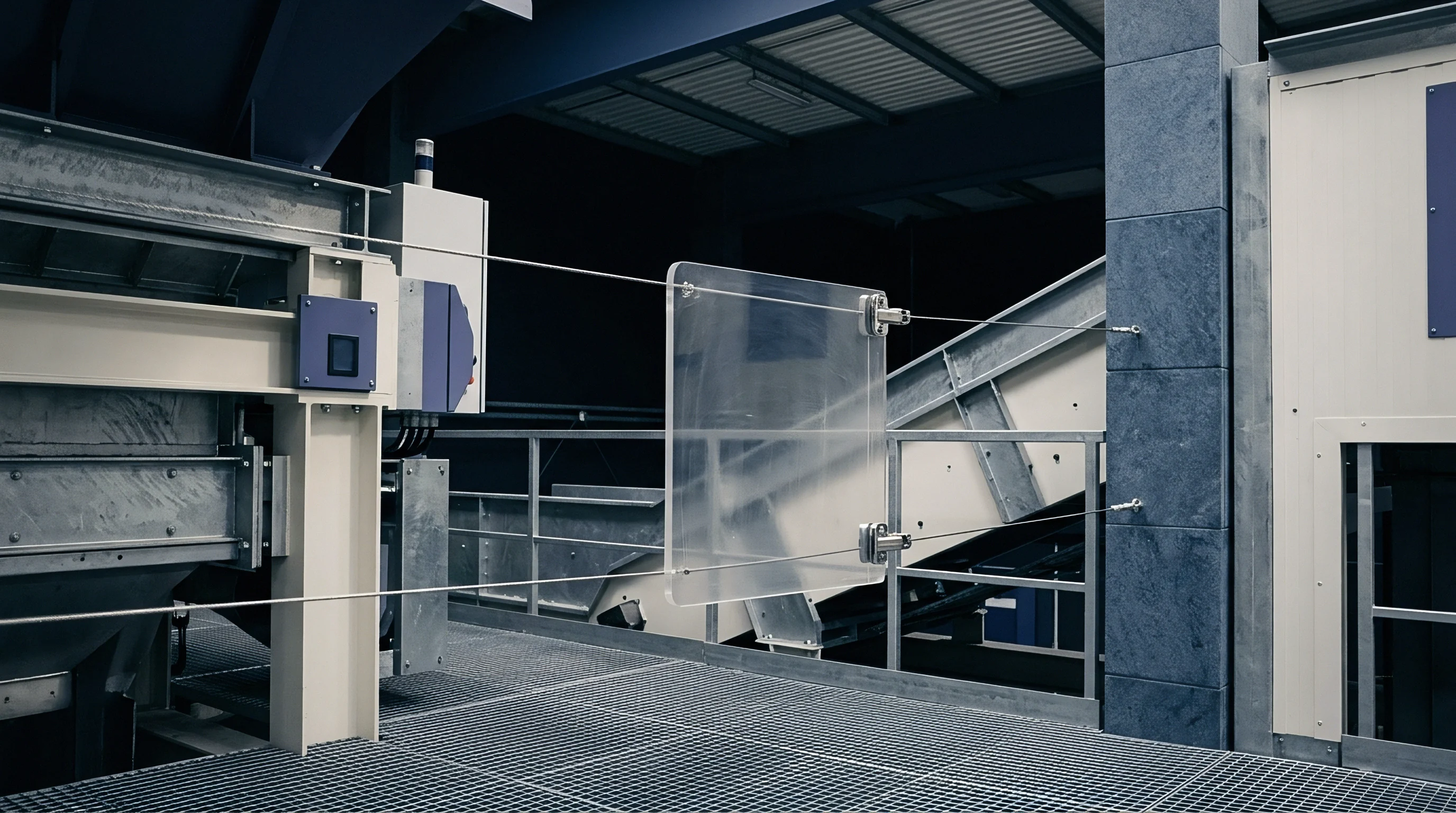
Porous inorganic materials achieve ultra-low solid-phase conductivity through highly branched nanostructures that restrict gas molecule collisions. Encapsulated in polyimide film, uncompressed silica aerogel yields room-temperature thermal conductivity between 0.018 W/m·K and 0.023 W/m·K. Because its pores are smaller than the mean free path of air molecules, internal gas conduction remains minimal ~ though heat moves quickly once the structure degrades.
Phlogopite mica offers far better structural integrity under direct flame. High-temperature testing shows phlogopite withstands continuous thermal stress up to 1000 °C without melting, while muscovite mica breaks down near 600 °C from dehydroxylation. However, phlogopite carries higher baseline conductivity ~ typically 0.25 W/m·K to 0.50 W/m·K perpendicular to its cleavage plane.
Combining aerogel blankets with thin outer mica layers balances low thermal conductivity with physical resistance to high-velocity venting gas jets.
| Material Composition | Baseline Conductivity (W/m·K) | Conductivity at 600 °C (W/m·K) | Continuous Heat Resistance (°C) | Nominal Density (kg/m³) | Compression Set at 1.0 MPa (%) |
|---|---|---|---|---|---|
| Encapsulated Silica Aerogel | 0.019 – 0.023 | 0.038 – 0.048 | 650 | 180 – 220 | 35 – 45 |
| Phlogopite Mica Sheet | 0.250 – 0.450 | 0.300 – 0.500 | 1000 | 2100 – 2400 | 2 – 5 |
| Aluminosilicate Ceramic Fiber | 0.045 – 0.065 | 0.120 – 0.160 | 1260 | 120 – 260 | 50 – 65 |
| Silicone Foamed Elastomer | 0.070 – 0.110 | 0.250 – 0.400 | 250 | 350 – 500 | 15 – 25 |
Aluminosilicate ceramic fiber felts offer high-temperature flame blocking at lower material costs than aerogels. However, their loose fiber structure incurs high compression set under load, driving down thermal resistance over cycle life as wall thickness thins. Silicone foamed elastomers handle normal cell swelling well, but their organic polymer backbones break down rapidly when flame jets top 400 °C, generating flammable pyrolytic gases.
Pyrolyzed silica aerogel sheets compressed below 0.8 MPa retain thermal conductivity under 0.022 W/m·K at 600 °C.
Selecting insulation requires evaluating failure modes under extreme conditions. Thermal insulation faces severe thermomechanical shocks during venting events, resulting in distinct breakdown mechanisms.
- Aerogel Matrix Sintering occurs when local heat exceeds 800 °C for over ten seconds, collapsing nanopores and driving bulk conductivity past 0.08 W/m·K.
- Encapsulation Shell Rupture happens when outer pouch seals melt above 200 °C, releasing internal particulates into the pack and exposing core insulation to moisture.
- Mica Delamination occurs under heavy particle bombardment, splitting thin mineral sheets and letting hot combustion gases pass through mechanical joints.
- Polymer Pyrolysis turns organic dampening foams into ash and flammable hydrocarbon gases, creating secondary ignition hazards inside sealed pack housings.
Establishing the exact mechanical density threshold where nanoporous aerogel blankets lose insulation performance under long-term cyclic expansion remains an ongoing challenge for pack engineering teams.
Propagation
Cell failures release heat through conduction, radiation, and convective gas plumes. When a lithium-ion cell enters internal thermal runaway, anode SEI decomposition begins self-heating between 80 °C and 120 °C. Reaction rates accelerate rapidly as the separator melts ~ near 130 °C for polyethylene or 165 °C for polypropylene ~ triggering widespread internal short circuits. Cathode breakdown follows between 180 °C and 250 °C depending on chemistry, releasing oxygen into the casing.
Large-format cells release substantial energy during catastrophic failure. A single 314 Ah lithium iron phosphate (LFP) cell at 100 percent state of charge releases roughly 1.2 MJ to 1.8 MJ of electrical and chemical energy in full runaway. Equivalent high-nickel ternary cells (such as NMC811) release 3.5 MJ to 5.2 MJ of total heat along with toxic, flaming gas jets.
Inter-cell barriers absorb energy through phase changes while insulating neighboring cell faces from radiant and conductive heat.
Boundary Layer Heat Transfer Mechanisms
Radiant gas jets from ruptured safety vents deliver extreme heat flux to nearby structural elements. Heat moves from a runaway cell into adjacent cells along three primary paths: face-to-face conduction across the inter-cell barrier, solid-body conduction through busbars and frames, and convective heating from hot gas and molten ejecta inside the pack plenum.
Direct face-to-face conduction accounts for 55 to 70 percent of total heat transfer to neighboring cells in dense prismatic layouts without inter-cell cooling channels. Thermal barriers mitigate this transfer by interposing high resistance. Bottom liquid-cooling plates pull heat out at the same time, acting as a competing sink.
If barrier resistance drops below 0.01 m²·K/W, conductive transfer across cell faces overwhelms the cooling plate’s rejection capacity, driving adjacent cells past their runaway initiation threshold within 45 seconds.
How Do High Nickel Formats Shift Insulation Tolerances?
Higher nickel content in ternary cathodes accelerates exothermic reactions, lowering the runaway onset temperature. NMC811 cells undergo self-sustaining runaway at temperatures as low as 175 °C, whereas LFP cells withstand breakdown up to 270 °C. High-nickel chemistries also release energy faster, generating gas ejection velocities above 100 meters per second that severely erode inter-cell insulation.
Insulation designed for LFP chemistries often fails in high-nickel NMC packs. Barriers in NMC packs require integrated heat shields that deflect high-velocity particle streams above low-conductivity aerogel cores. Unprotected aerogel blankets suffer rapid mechanical erosion during NMC venting, stripping away insulation and exposing adjacent cell walls to direct flame within three seconds of casing rupture.
Non-compliance with ECE R100.03 thermal propagation requirements invalidates European vehicle type approval.
Venting gases dramatically alter heat pathways inside sealed pack enclosures. Ejected gas plumes reach peak temperatures between 700 °C and 1100 °C, carrying atomized nickel, cobalt, graphite, and flammable carbonate solvents. Pack designs must direct these plumes into dedicated exhaust ducts lined with high-temperature insulation so upper gas-phase combustion does not heat cell tops from above.
Inserting sufficient thermal resistance between cell casings prevents domino-effect runaway propagation across large battery arrays.
Compression
Prismatic cells expand and contract during charge and discharge as lithium ions intercalate into electrode matrices. Graphitic anode structures experience volume changes up to 10 percent during full cycling, while silicon-doped anodes swell even more. Module endplates and tie-rods supply mechanical preload to maintain cell face contact, prevent electrode delamination, and extend cycle life.
Inter-cell barriers double as mechanical compression pads inside cell blocks. They must stay compliant, absorbing cell expansion without creating pressure spikes that crush electrode edges or strain endplates. Over thousands of cycles, however, continuous pressure reduces barrier thickness, raising bulk density and increasing thermal conductivity over time.
Cyclic Mechanical Loading and Creep
Cyclic expansion compacts structural materials over thousands of duty cycles. Mechanical preloads typically range from 0.2 MPa to 0.5 MPa on fresh cells, but climb to 1.5 MPa to 3.0 MPa as cells reach end-of-life swelling. Compression set measures permanent thickness loss under sustained load; materials with high compression set lose elastic rebound, leaving them unable to maintain proper contact pressure when the pack drops in temperature.
Sustained pressure compacts aerogel structures, forcing nanoparticles closer together and increasing solid-phase thermal conduction through the matrix. An aerogel blanket’s thermal conductivity increases by 30 to 50 percent as mechanical loading grows from 0.1 MPa to 2.0 MPa. Thermal evaluations must therefore use conductivity figures measured at end-of-life compression rather than nominal ratings from fresh, uncompressed samples.
The thermomechanical degradation of an inter-cell barrier inside a prismatic pack can be illustrated through a representative calculation.
Consider a module of 24 prismatic 314 Ah LFP cells stacked face-to-face. Each cell measures 174 mm wide, 72 mm thick, and 207 mm high, giving an active face area of 0.036 m². The module places 2.0 mm thick encapsulated aerogel barriers between cells under an initial preload clamping force of 7.2 kN, establishing 0.20 MPa across cell faces.
Initial aerogel thermal conductivity is 0.020 W/m·K at 0.20 MPa. Over 4000 cycles, unconstrained cell thickness would swell by 2.5 mm per cell. Constrained within the rigid frame, expansion compresses each thermal barrier pad from 2.0 mm to 1.1 mm (a 45 percent compressive strain), driving internal mechanical pressure to 2.2 MPa.
At 2.2 MPa, matrix compaction raises aerogel thermal conductivity to 0.031 W/m·K. Initial thermal resistance (Rinitial) per barrier face is:
Rinitial = fracThicknessConductivity = frac0.0020 m0.020 W/m·K = 0.100 m²·K/W
At compressed end-of-life conditions, thermal resistance (Rcompressed) drops to:
Rcompressed = frac0.0011 m0.031 W/m·K = 0.0355 m²·K/W
Total thermal resistance across the inter-cell barrier drops by 64.5 percent at end-of-life compression, significantly raising heat flux (q) during runaway. If a failing cell stays at 700 °C while its neighbor rests at 40 °C (Δ T = 660 K), initial heat flux across a fresh barrier is:
qinitial = frac660 K0.100 m²·K/W = 6600 W/m²
At end-of-life compression, heat flux across the degraded barrier increases to:
qcompressed = frac660 K0.0355 m²·K/W = 18591 W/m²
Heat transfer into the adjacent cell rises by a factor of 2.82. This acceleration shortens the time required to push the neighbor cell’s cathode past its thermal runaway threshold, potentially causing safety margins designed around fresh cell properties to collapse in aged packs.
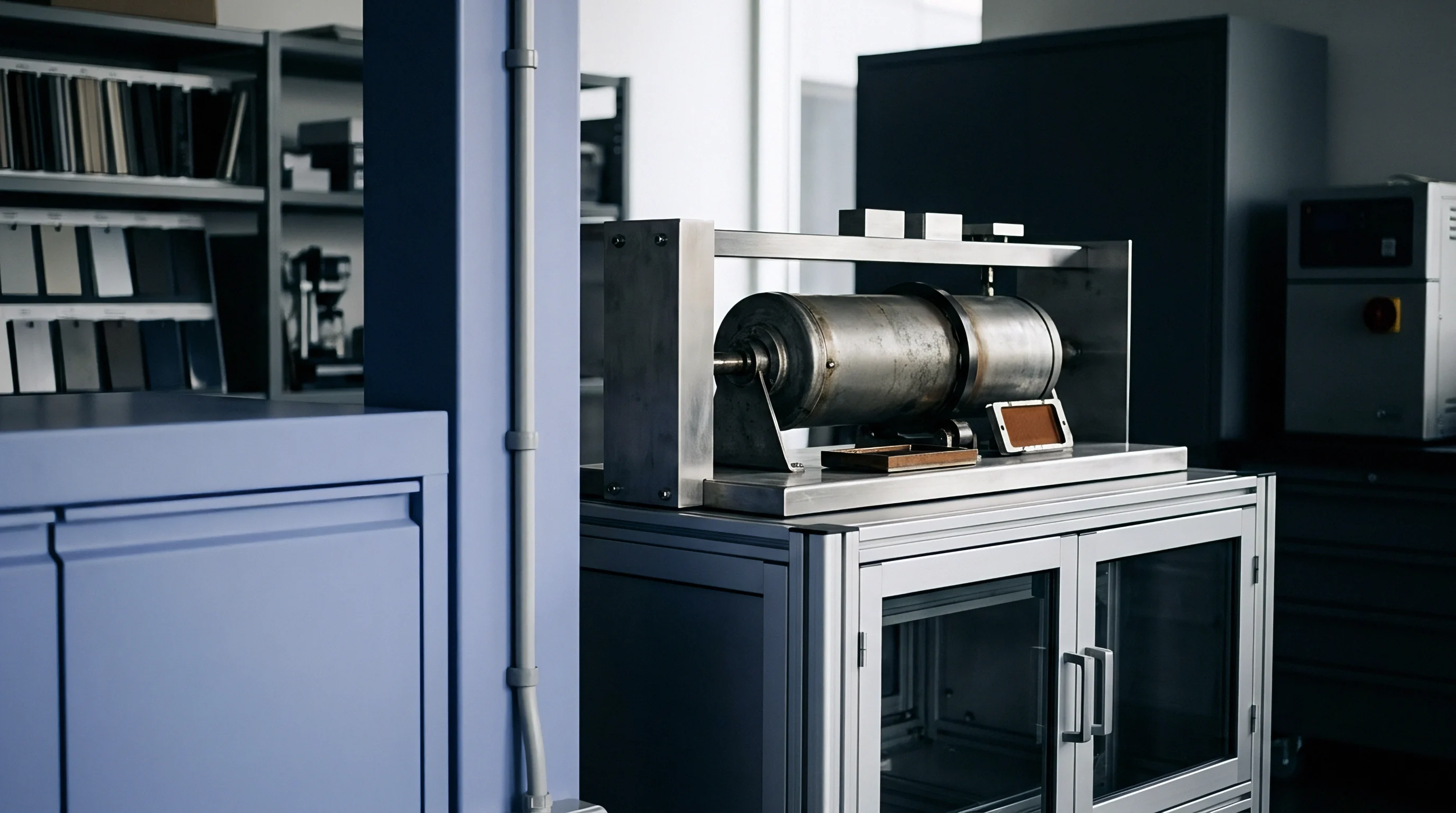
Evaluating compression set and thermal resistance under cyclic load requires a standardized bench process.
- Position the unaged barrier sample between temperature-controlled metal platens set to room temperature.
- Apply an initial mechanical preload of 0.2 MPa and record baseline thickness using calibrated linear displacement sensors.
- Step up mechanical load to 2.0 MPa while recording force-deflection curves across five loading cycles.
- Raise platen temperature to 60 °C to simulate pack operating conditions while maintaining peak load for 72 hours.
- Return mechanical load to the 0.2 MPa baseline, allow material temperature to stabilize, and measure permanent set.
- Measure thermal conductivity through the sample using steady-state heat flux meters at compressed thickness points.
Underestimating compressive thickness loss leads directly to premature thermal barrier failure and cascading runaway in aged pack enclosures.

Testing
Verification protocols determine whether pack designs prevent cascading failures under regulatory stress conditions. Regulatory authorities require physical testing at module and pack levels prior to transport and installation approval, forcing target cells into uncontrolled runaway to observe how adjacent cells react.
Standards require zero thermal runaway propagation beyond the trigger cell. To pass, fire, explosion, or exothermic destabilization must not spread to adjacent cells during observation windows ranging from 1 to 24 hours post-initiation. Evaluators concurrently check pack housing integrity and pressure relief performance.

Thermal Propagation Test Protocols
Different standards frameworks target specific battery applications. UL 2580 covers electric vehicle battery safety, requiring propagation testing on fully charged packs. UL 9540A evaluates thermal runaway fire propagation in stationary energy storage, gathering data on heat release rates, gas composition, and re-ignition potential.
In Europe, ECE R100.03 mandates propagation testing for vehicle type approval. Test protocols require triggering thermal runaway in a single cell using heaters, nail penetration, or overcharge. The pack must prevent fire and explosion outside the enclosure for at least five minutes after initiation, giving occupants time to evacuate safely.
| Standard Designation | Mandated Trigger Methods | Minimum Observation Window | Pass/Fail Boundary Criteria | Target Application Field |
|---|---|---|---|---|
| UL 9540A | Heating Film, Overcharge | 24 Hours | No cell-to-cell propagation; quantified heat gas release | Stationary Storage Systems |
| ECE R100.03 | Nail, Heater, Overcharge | 5 Minutes (Vehicle Evacuation) | No external fire or explosion; zero shell breach | Electric Passenger Vehicles |
| GB 38031-2020 | Nail Penetration, Heating Plate | 5 Minutes minimum warning | No fire or explosion; smoke alarm signal generated | Chinese Traction Batteries |
| IEC 62619 | Overcharge, Internal Short Circuit | 1 Hour | No propagation beyond target cell; enclosure stays intact | Industrial Stationary Batteries |

Standardized Thermal Trigger Methods
Triggering runaway requires precise energy input. Heating plates on target cell faces supply 100 W to 1000 W until self-sustaining reactions begin. Ceramic pins pierce cell walls to force direct internal short circuits between cathode and anode plates.
Overcharging drives cell voltage past chemical stability limits, directly destabilizing the cathode structure.
Nail penetration triggers rapid runaway but punctures the casing, letting pressure vent through the hole rather than standard pressure valves. Heating plates simulate internal short circuits without breaching the outer casing prematurely. Choosing an unrealistic trigger method can artificially flatter insulation performance by opening secondary vent paths that spill heat before it transfers across inter-cell barriers.
Thicker insulation pads reduce total pack energy density faster than increasing cell capacity offsets.
Cell suppliers often report barrier performance data measured under light laboratory clamping fixtures. Once installed in rigid commercial pack frames, elevated constraint pressures alter heat paths, causing certified materials to fail standard compliance audits.

Dossier
Cross-border transport requires complete compliance files under international dangerous goods regulations. Large-format lithium cells shipped individually or in modules fall under UN Class 9 dangerous goods classifications. Regulators and carriers reject shipments lacking verified UN 38.3 test summaries, safety data sheets, and type approval certificates.
Shipping approval hinges on physical integrity under transport stress. Altitude, thermal, vibration, and shock tests verify durability; inter-cell barriers prevent mechanical wear and cell shorting during severe vibration in transoceanic freight handling.

Transport Documentation and Packaging Compliance
Dangerous goods regulations under UN 3090 (Lithium Metal) and UN 3480 (Lithium Ion) enforce strict packaging rules. Packaging Instruction PI 965 Section IA governs cargo aircraft shipments of standalone lithium-ion cells, capping state of charge at 30 percent unless explicitly approved by national authorities at the point of origin.
Shippers must present verified UN 38.3 Test Summaries detailing specific mandatory parameters. Part III, Section 38.3 of the UN Manual of Tests and Criteria defines eight tests: T.1 (Altitude), T.2 (Thermal Shock), T.3 (Vibration), T.4 (Shock), T.5 (External Short Circuit), T.6 (Impact/Crush), T.7 (Overcharge), and T.8 (Forced Discharge). Inter-cell thermal barriers are critical in helping modules pass T.2 thermal shock cycling without seal degradation or short circuits.
| Document Name | Issuing Authority / Entity | Regulatory Citation | Operational Focus |
|---|---|---|---|
| UN 38.3 Test Summary | ISO 17025 Accredited Laboratory | UN Manual Tests & Criteria 38.3.5 | Transport safety approval line items |
| Dangerous Goods Declaration | Certified Shipper / DG Specialist | ICAO TI / IATA DGR PI 965 | Logistics customs clearance declaration |
| Material Safety Data Sheet | Cell Manufacturer | OSHA 29 CFR 1910.1200 / REACH | Hazard identification and emergency response |
| EU Battery Passport File | Registered Importer of Record | EU Regulation 2023/1542 Art 77 | Supply chain traceability and recycled content |
Assembling a compliant transport dossier requires gathering verified test certificates and quality documentation.
- UN 38.3 Test Summary Report matching cell serial numbers and manufacturing batch identifiers exactly.
- ISO 9001 Quality Management Certificate covering cell production and assembly facilities.
- Pack Thermal Runaway Test Certification confirming compliance with ECE R100.03 or UL 2580 standards.
- State of Charge Attestation Document confirming cell SOC remains at or below 30 percent during air transport.
- Material Specification Dossier detailing chemical composition and fire-retardant properties of inter-cell materials.
Under Section 38.3.5 of the UN Manual of Tests and Criteria, freight forwarders are required to reject cell shipments if test summaries omit laboratory accreditation credentials or exact cell weight and capacity metrics.
Exposure
The financial consequences of thermal envelope failures land directly on pack integrators and buyers. When thermal runaway cascades across cell blocks in the field, property damage, business interruption, and liability costs quickly escalate. Choosing unverified insulation or trimming barrier thickness to boost energy density creates severe commercial exposure.
Regulatory frameworks are increasingly shifting safety and environmental liability to product importers. EU Regulation 2023/1542 imposes strict due diligence requirements for battery safety, carbon footprint tracking, and material sourcing, placing direct legal responsibility on importers of record for field failures in regulated markets.
Warranty Allocation and Commercial Liability
Supply contracts define how financial liability moves when field failures stem from material defects. Purchase agreements should specify exact thermal performance parameters, insulation specifications, and cell expansion limits. If a supplier modifies cathode chemistry without notice ~ altering gas release rates and overwhelming existing barriers ~ clear contract specifications establish firm grounds for warranty recovery.
Insurance coverage for large energy storage projects often hinges on verified propagation prevention. Underwriters frequently refuse coverage or charge steep premiums for systems without UL 9540A test data proving zero inter-cell cascade. Commercial agreements must therefore explicitly divide risk among cell manufacturers, insulation suppliers, and pack integrators.
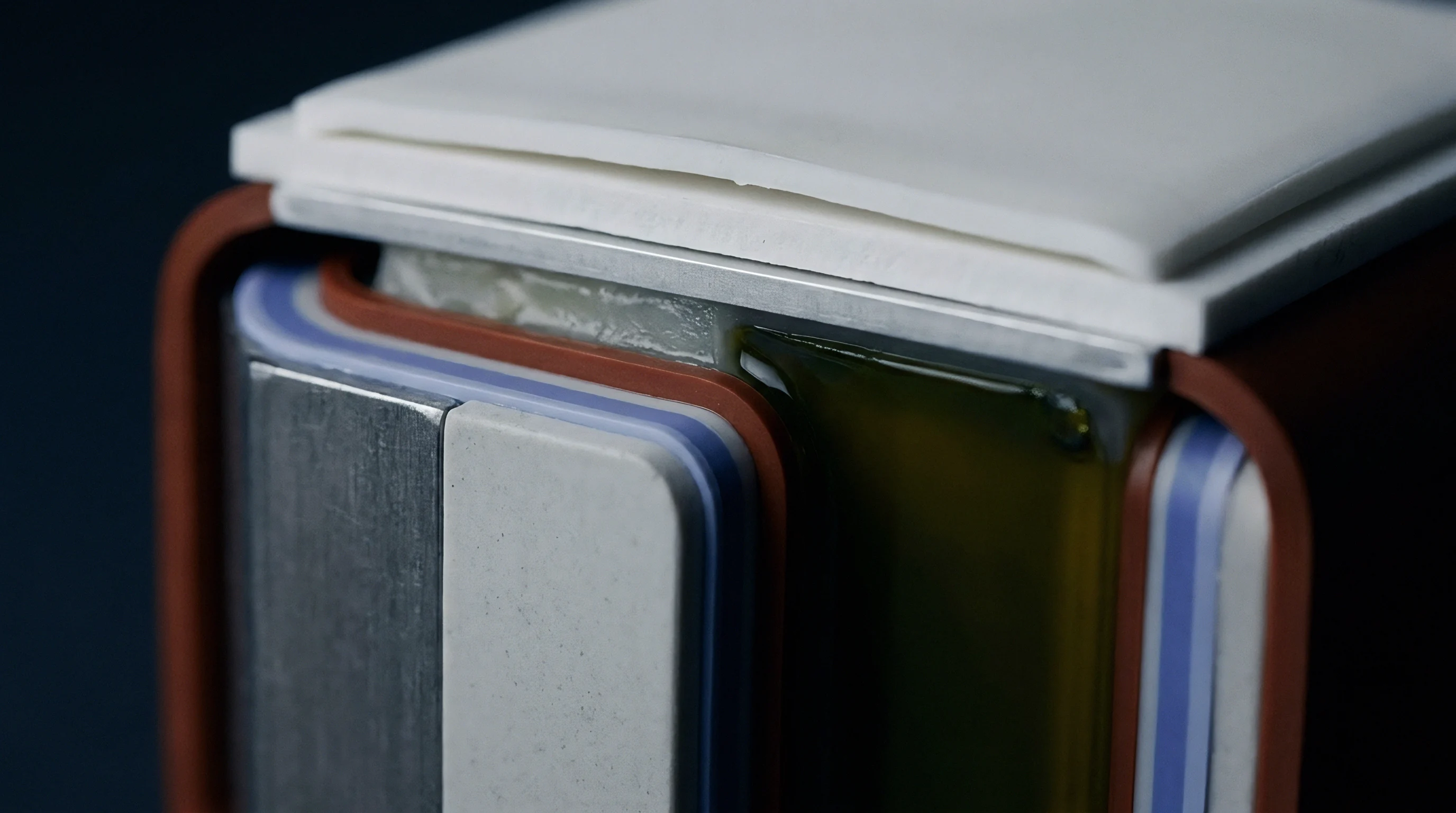
Gas deflection plates divert ejecta away from adjacent cell vents during energetic cell failure.
Managing financial exposure in procurement requires explicit contract terms governing thermal safety compliance.
- Thermal Runaway Non-Propagation Warranty guarantees single-cell exothermal events will not cascade across inter-cell barriers under rated operating conditions.
- Cell Dimensional Expansion Caps set maximum allowable thickness growth over cycle life to prevent excessive compression set.
- Material Change Notification Clauses mandate six months’ written notice prior to modifying cell chemistry, separator thickness, or vent release pressure.
- Recall Indemnification Provisions require suppliers to cover replacement and labor costs if regulators order recalls over safety defects.
Effective procurement contracts link cell supply specifications directly to verified barrier performance. Protecting commercial buyers requires pairing physical test data with clear legal indemnification. Sound safety files, accurate test reports, and mechanical modeling protect capital across cross-border energy storage and vehicle programs.