Meaning
Unintended electrical pathway within a cell that allows current to bypass the external load and creates localized heating or rapid discharge events. An internal short circuit occurs when the insulating separator between the anode and cathode fails due to mechanical, thermal, or electrochemical stress. This condition is the precursor to many thermal runaway events because it converts the entire stored energy of the cell into heat at a single point.
It remains a primary focus of safety testing and cell design across all lithium chemistries.
Failure Pathway
Multiple mechanisms can lead to the breakdown of the isolation layer between the electrodes. A common cause of an internal short circuit is the growth of lithium dendrites that pierce the separator during fast charging at low temperatures. Mechanical deformation from an external impact or a manufacturing defect like a metal burr can also bridge the gap.
As the current flows through this narrow path, the local temperature rises rapidly and begins to melt the surrounding plastic. This melting creates a larger hole and allows more current to flow, accelerating the heating process. The rate of heat generation depends on the state of charge and the resistance of the short.
If the heat cannot be dissipated quickly enough, the cell enters an uncontrollable state of decomposition.
Safety Mechanism
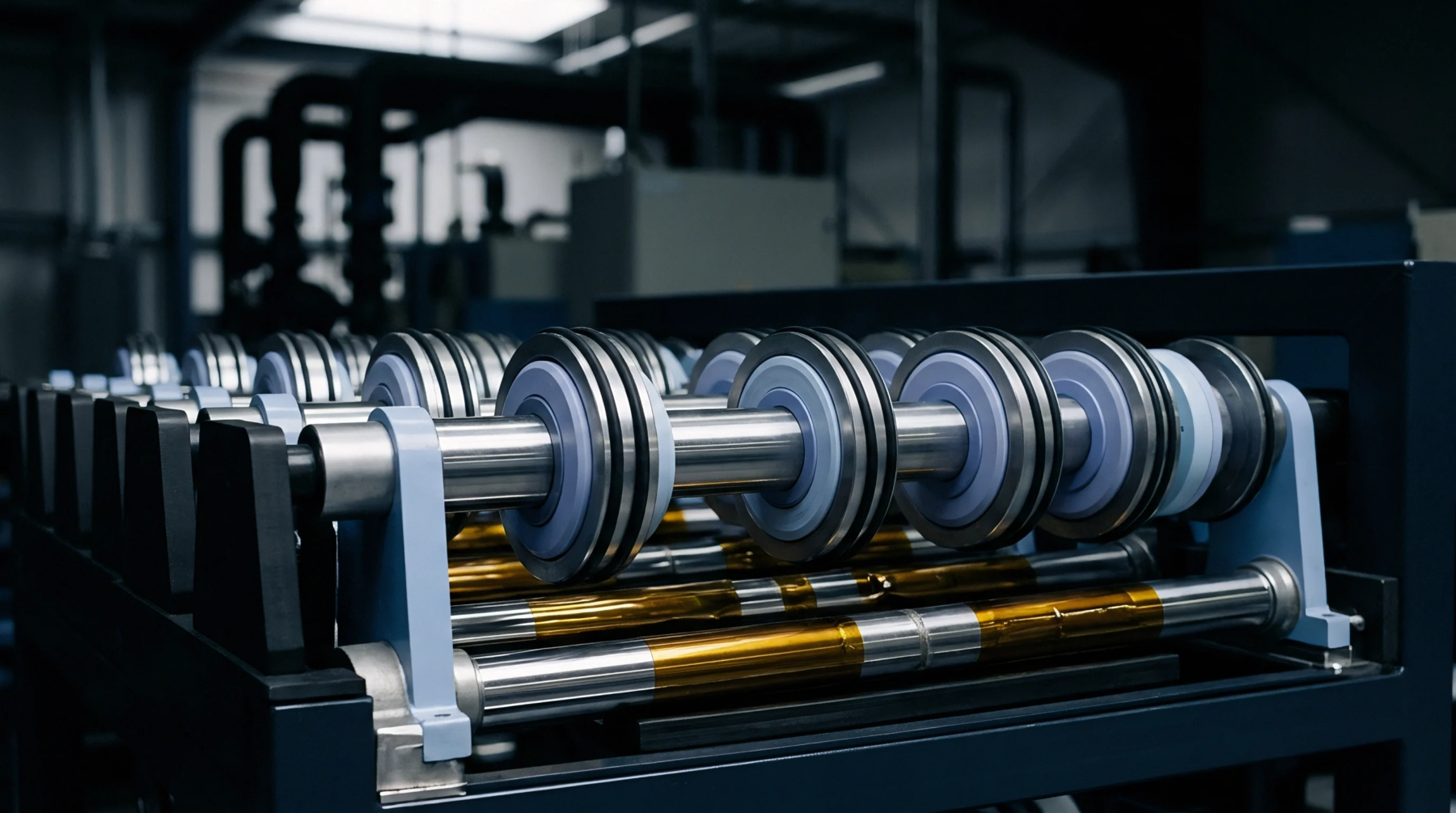
Engineering controls are integrated into the cell to mitigate the damage caused by these events. If an internal short circuit begins, a shutdown separator is designed to melt and close its pores to stop the flow of ions. Some designs include a thin layer of ceramic coating on the separator to maintain physical separation even if the base polymer melts.
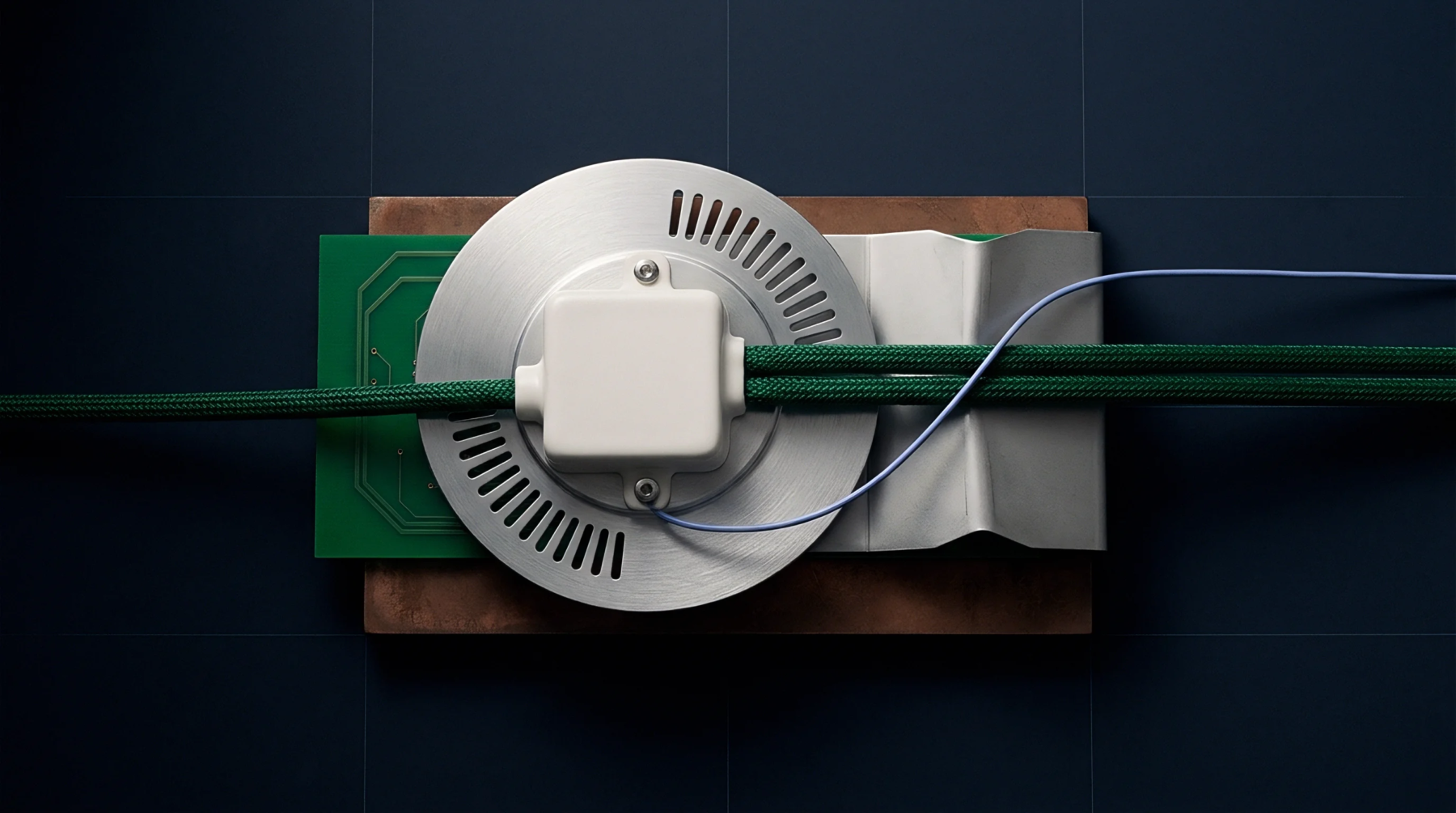
Current collectors are also being designed with thermally sensitive layers that break the electrical connection when a specific temperature is reached. These features aim to prevent the single cell failure from propagating to the rest of the battery pack. Advanced monitoring algorithms look for subtle voltage drops that indicate a nascent short.
Trigger Condition
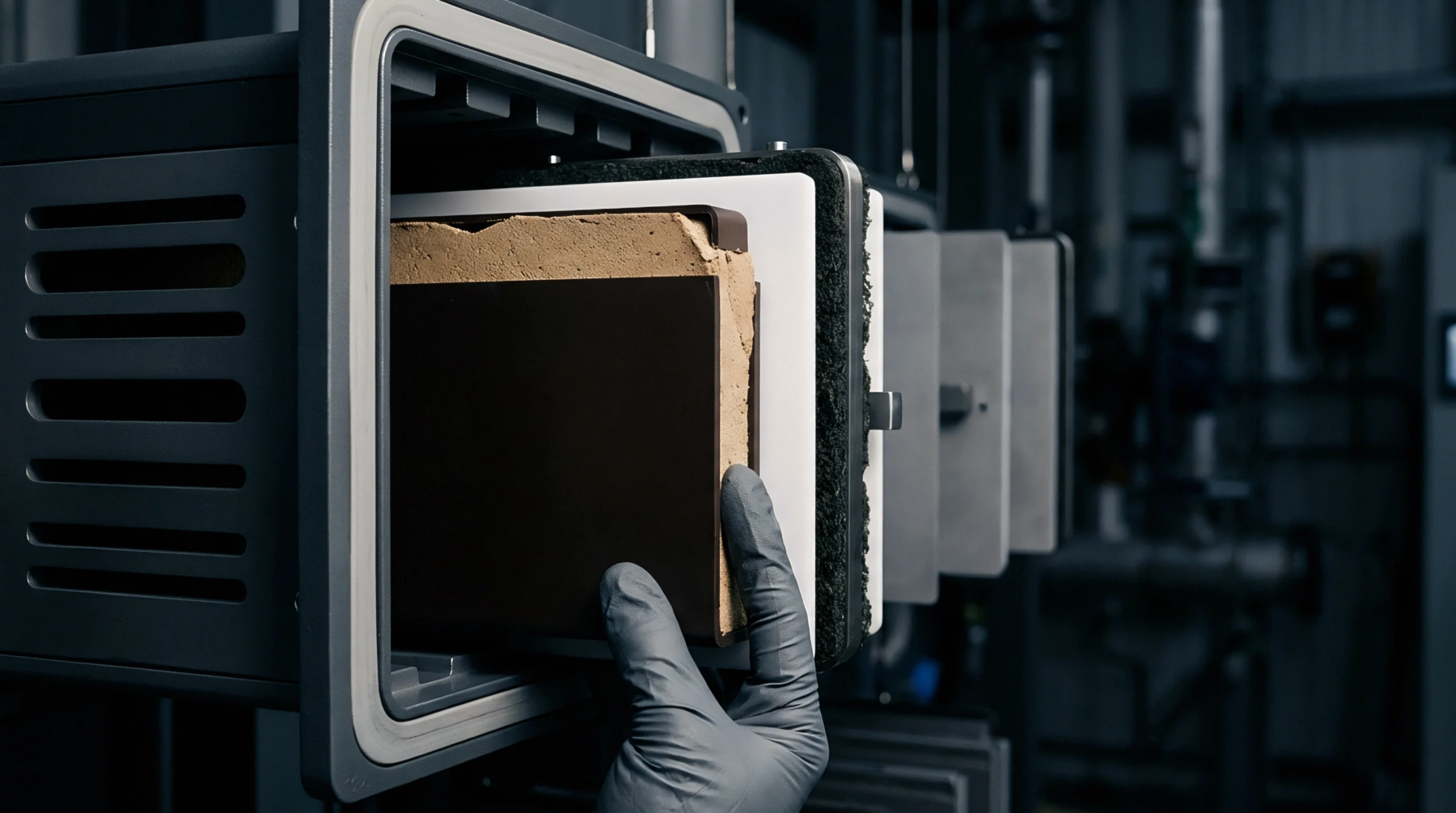
Testing laboratories use specific methods to simulate the occurrence of this failure mode under controlled conditions. To induce an internal short circuit, researchers may use a nail penetration test or a crushed cell test to breach the separator. A more precise method involves a small piece of wax or low melting point metal placed inside the cell during assembly, which is then heated to create the short.
These tests help determine if the cell can survive the event without catching fire or exploding. The data gathered from these experiments informs the design of the module’s thermal barriers and fire suppression systems. Understanding the energy release rate is vital for pack safety.