Meaning
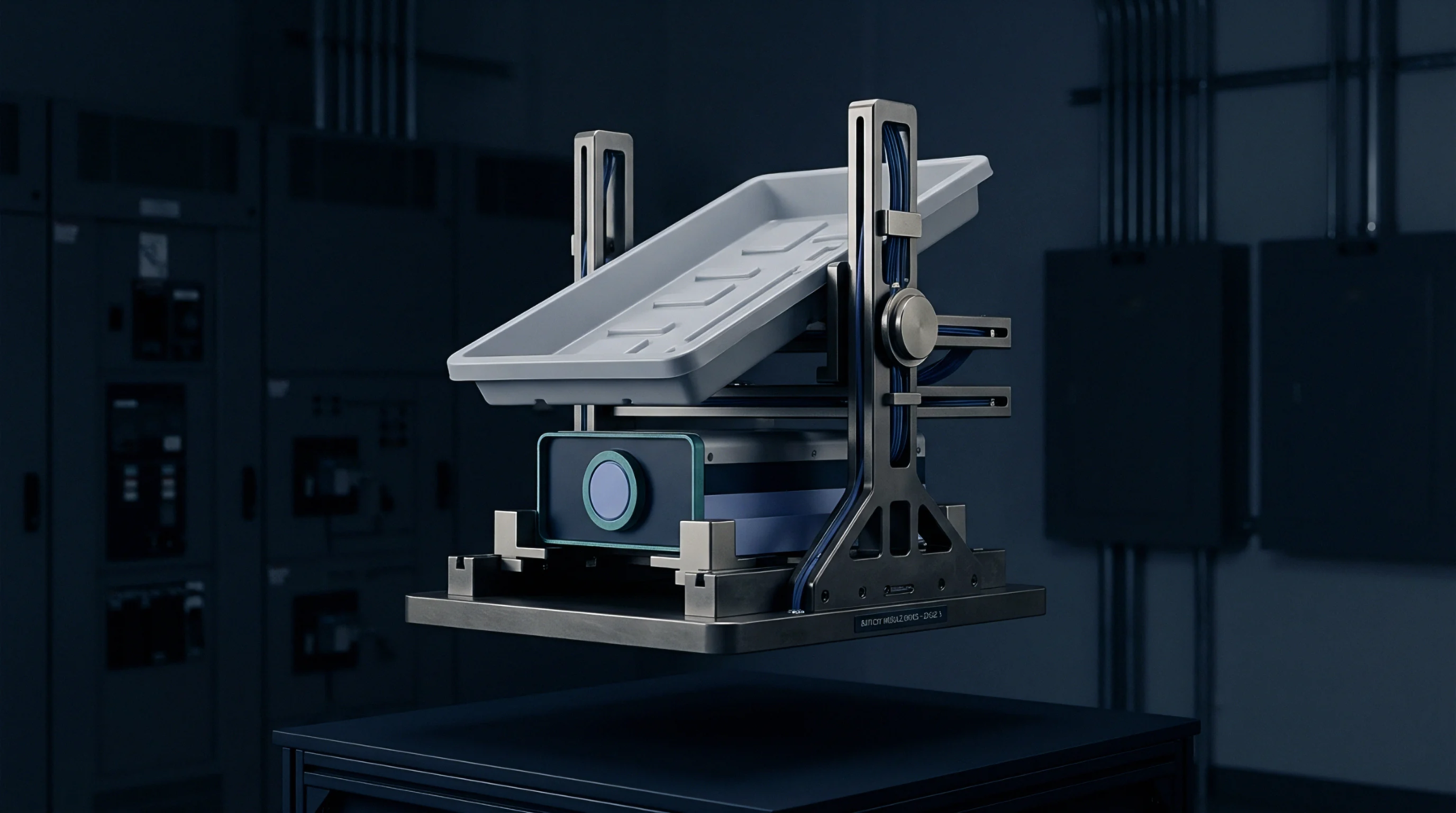
This diagnostic procedure involves disassembling a degraded or failed battery cell inside a hermetically sealed chamber filled with high-purity argon gas. This protective environment prevents highly reactive cell components, such as metallic lithium and moisture-sensitive electrolytes, from reacting with ambient oxygen and humidity. In failure analysis, the argon glovebox teardown is the primary method for extracting pristine electrode samples for subsequent microscopic and chemical analysis.
The procedure requires strict control over moisture and oxygen levels, typically below one part per million. It does not apply to non-reactive cell chemistries or fully discharged, stable cells.
Atmospheric Isolation
Maintaining an inert atmosphere is critical because exposure to air triggers rapid oxidation of the anode and cathode materials. Lithium-ion cell electrolytes often contain lithium hexafluorophosphate, which reacts with atmospheric moisture to produce highly corrosive hydrofluoric acid. To prevent this, the argon glovebox teardown uses continuous gas purification systems that cycle the chamber atmosphere through catalyst columns.
This purification process removes trace amounts of moisture and oxygen that may enter through the glove ports or the transfer antechamber. By keeping these contaminants at negligible levels, researchers ensure that the extracted materials show their true state inside the operational cell. This rigorous environmental control prevents the formation of artifacts that would invalidate the subsequent analytical results.
Cell Disassembly
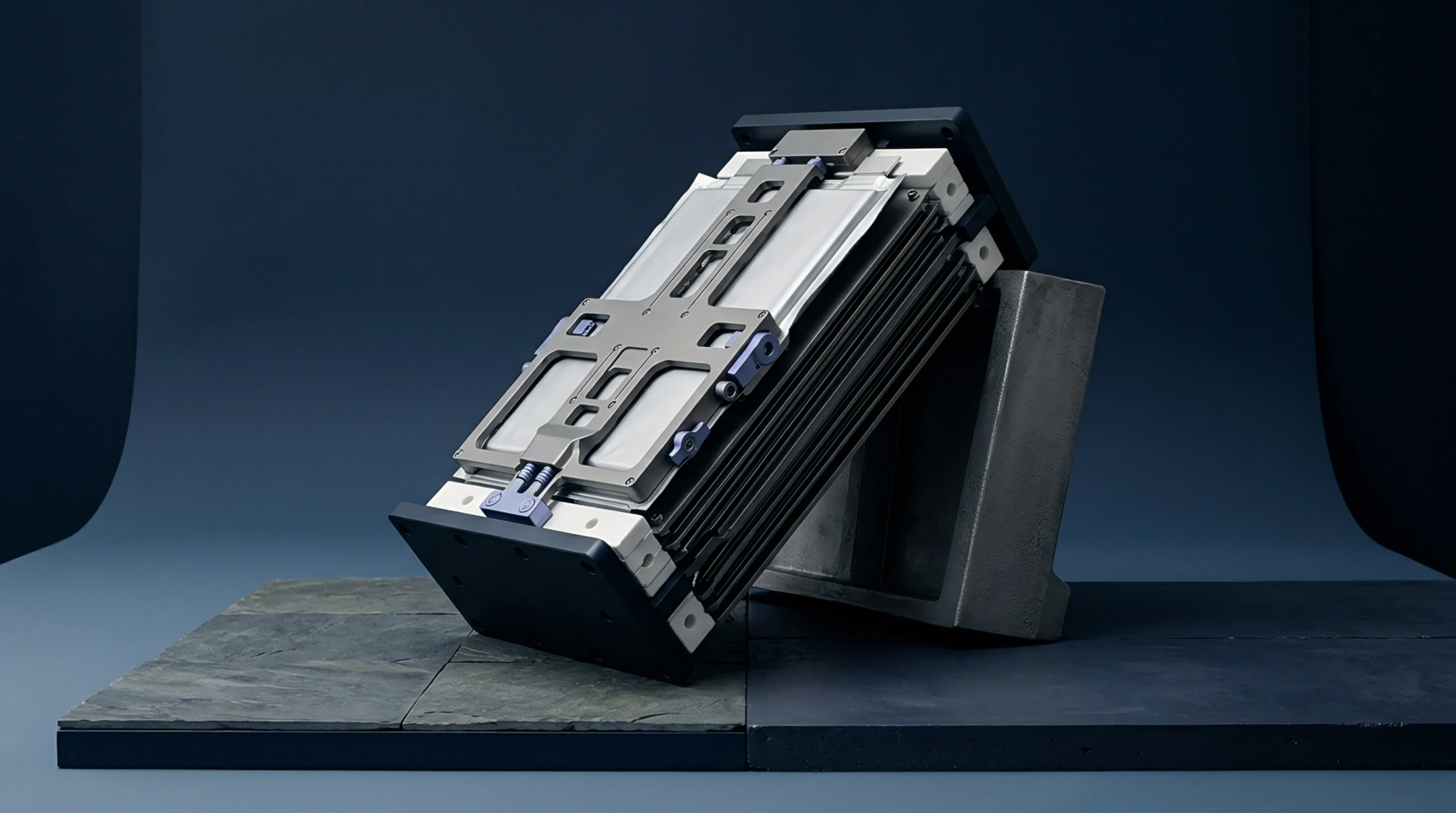
The manual teardown process begins by carefully cutting the outer casing of the cell using non-sparking ceramic or plastic tools. Once the casing is opened, the operator unwinds the jellyroll or separates the stacked electrodes and separator sheets. Each component is visually inspected for physical damage, such as localized burn marks, mechanical tears or uneven electrolyte wetting.
The operator then extracts specific sections of the anode and cathode for further testing, such as scanning electron microscopy or x-ray diffraction. This systematic physical extraction allows engineers to pinpoint the exact location and root cause of the cell failure.
Material Preservation
Once the electrode samples are extracted, they are placed in sealed transfer containers to maintain the inert atmosphere during transport to other analytical instruments. This preservation is essential for obtaining accurate data on delicate surface layers, such as the solid electrolyte interphase, which are easily destroyed by air exposure. Failing to maintain this protective chain of custody leads to erroneous conclusions about cell degradation mechanisms.
Therefore, this specialized teardown procedure is a fundamental requirement for any serious battery development or quality control laboratory.