Meaning
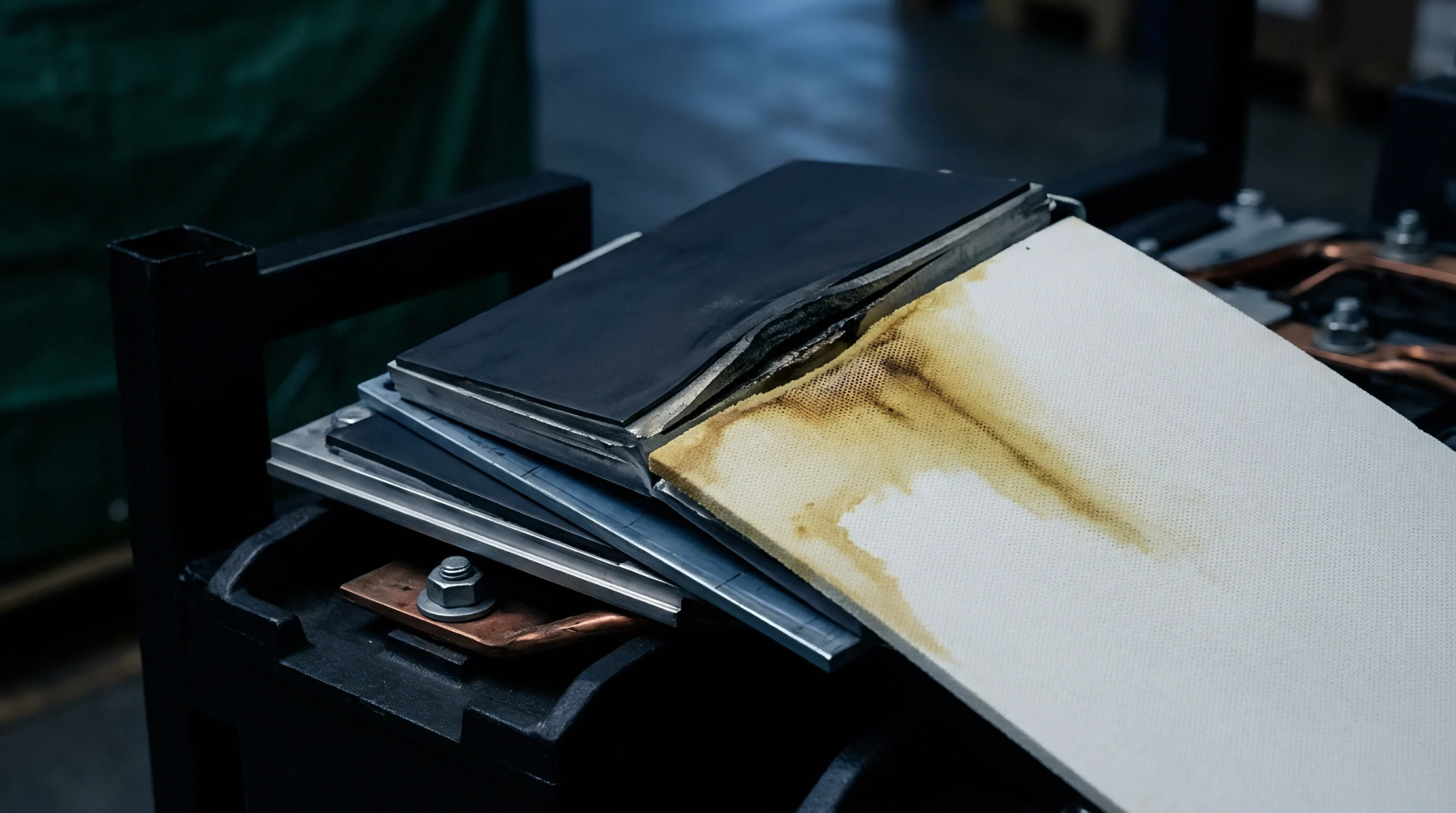
Thermal transmission properties of flat insulation materials derive their official validation from astm c518 through a controlled heat flow meter apparatus. This laboratory procedure measures the steady-state thermal resistance and thermal conductivity by establishing a temperature gradient across a specimen placed between two isothermal plates. The methodology applies specifically to homogeneous materials or those with predictable thermal behavior.
Accuracy depends upon the calibration of the heat flow transducers against reference standards of known thermal performance.
Thermal Measurement
Operational constraints dictate that specimens remain flat and uniform in thickness to prevent air gaps from skewing the results. The apparatus maintains a constant temperature difference between the hot and cold plates until the heat flux density across the specimen stabilizes. Once the system reaches equilibrium, it records the heat flow rate alongside the precise temperature data of the surfaces.
Technicians perform these tests to verify product labels against declared thermal values or to confirm compliance with building code requirements for envelope performance.
Instrument Calibration
Calibration protocols require the use of materials with certified thermal properties traceable to national metrology institutes. These reference specimens allow the equipment to adjust for systemic variables such as contact resistance or heat loss from the edges of the test stack. If the apparatus fails to produce values within the permitted tolerance of the reference material, the operator must recalibrate the transducers before proceeding with new samples.
Regular verification cycles minimize the drift inherent in sensors exposed to repeated heating and cooling cycles.
Evaluation Limits
Limitations inherent in the methodology prevent its application to materials that undergo phase changes or moisture migration during the test. Non-homogeneous systems containing cavities or varying densities might produce inconsistent readings if the heat flow path becomes distorted. High-conductivity materials also challenge the sensitivity of standard heat flow meters because the required temperature differential becomes difficult to maintain without exceeding the capacity of the cooling units.
Proper usage hinges upon the assumption that the material exists in a stable state suitable for one-dimensional heat flow analysis.