Module Level Thermal Propagation Verification under EU Regulation Guidelines
EU battery regulation requires module thermal propagation testing with five-minute occupant warning signals before external flammability occurs.

Directive
Regulatory Framework for European Battery Safety
Under Regulation EU 2023/1542, energy storage systems placed on the European Union market face mandatory module-level safety benchmarks. The rules cover industrial units, stationary storage, and electric vehicle traction packs, requiring physical destructive testing to verify that a thermal runaway event in one cell does not propagate across the pack. Technical files must confirm that internal cell failure remains isolated or that the outer enclosure contains secondary hazards long enough to allow evacuation.
UN ECE Regulation 100.03 and EN 50604-1 set the baseline testing protocols for automotive traction packs, while IEC 62619 applies to stationary installations. These standards require failure initiation at 100 percent state of charge. Approval hinges on two main criteria: preventing flame egress through the pack housing and delivering an early warning alert before thermal breakdown creates direct physical hazards for vehicle occupants or facility operators.
Thermal runaway produces high volumes of pressurized gas in fractions of a second.
Annex X of Regulation EU 2023/1542 mandates thermal propagation testing at the module level to ensure five minutes of occupant evacuation warning time before flame egress.

Statutory Scope and Enforcement Timelines
Legislative deadlines bind pack manufacturers and vehicle OEMs to strict validation timetables. National type approval authorities across EU member states mandate thermal propagation test dossiers generated by ISO 17025-accredited laboratories. Batteries presented without verified technical safety documentation face customs holds and market clearance revocation.
This requirement covers integrated traction packs, sub-modules, and stationary rack assemblies alike.
Clause 6.4.2 of EN 50604-1 reclassifies single-cell thermal failure as an operational pass when adjacent cells experience zero thermal runaway and housing integrity remains intact.

Trigger
Comparative Analysis of Initiation Methods
Triggering catastrophic thermal failure in a single lithium-ion cell on the test bench demands precise energy calibration. Standard protocols permit several initiation methods: internal resistive heating, mechanical needle penetration, electrical overcharge, and laser ablation. The choice depends on cell chemistry, physical geometry, and casing structure.
Prismatic aluminum, cylindrical steel, and pouch formats respond differently to local failure triggers, and poorly calibrated energy inputs risk distorting baseline heat dissipation measurements across the surrounding module.
Test laboratories apply controlled heater inputs directly to target cells.
Resistive ceramic elements deliver concentrated heat directly to the cell casing. Standard arrangements place a thin-film heater between the target cell and the adjacent thermal barrier, ramping temperature past four hundred degrees Celsius at rates above five degrees per second until thermal runaway initiates. Mechanical penetration drives an insulated tungsten carbide nail through the casing to short the internal electrode stack.
While needle penetration induces an immediate short circuit, the resulting puncture creates an artificial vent path that can relieve gas pressure prematurely and alter release dynamics.
| Initiation Method | Energy Input Mechanism | Repeatability Standard | Gas Venting Interference | Applicable Cell Formats |
|---|---|---|---|---|
| Resistive Ceramic Heater | External thermal conduction | High (calibrated power delivery) | Zero (enclosure intact prior to vent) | Pouch, Prismatic, Cylindrical |
| Needle Penetration | Mechanical separator breach | Moderate (dependent on mechanical speed) | High (punctures casing seal) | Pouch, Small Prismatic |
| Electrical Overcharge | Electrochemical over-potential | Low (variable internal decomposition) | Zero (vents naturally via cap) | All formats with disabled BMS |
| Focused Laser Ablation | Optical surface heating | High (controlled beam energy) | Low (localized wall thinning) | Prismatic, Metallic Cylindrical |

Overcharge and Localized Heating Execution
Electrical overcharge forces positive active materials past their structural stability limits, initiating rapid oxygen liberation. The method requires isolating the target cell busbars from parallel connections and applying direct current at rates exceeding one C. This drives lithium plating and electrolyte breakdown, raising internal cell pressure until separator collapse occurs. Overcharge accurately reflects electrical fault conditions, though it requires modifying the module harness to access individual cell terminals.
Conductive heat moves quickly across copper and aluminum busbars.
- Internal short circuit simulation replicates mechanical intrusion without external mass addition.
- Resistive heating elements deposit continuous thermal energy until catastrophic decomposition occurs.
- Needle penetration hardware creates localized physical separator rupture across internal electrode layers.
- Focused optical radiation delivers rapid energy density directly to cell casing walls.
A ceramic heater driving a single 21700 cell past six degrees Celsius per second triggers runaway at four hundred twenty degrees Celsius ambient enclosure temperature.
Needle penetration parameters specified in test standards diverge from the internal defect geometries observed during field service.
Sensor
Telemetry Channel Selection and Response Time
Capturing thermal and pneumatic transients during runaway requires high-speed data acquisition channels. Test instrumentation records terminal voltage drop, surface temperature spikes, and internal pack pressure differentials. Thermocouples welded to target and neighboring cell walls trace conduction pathways across the module structure, while high-frequency pressure transducers track pneumatic pulses caused by vaporized solvent venting into the enclosure.
Standard test methods require high sampling rates to resolve millisecond pressure spikes.
Voltage taps on cell terminals give the earliest indication of separator collapse. A sudden drop in terminal voltage precedes casing temperature rise by several seconds, marking the exact onset of thermal runaway. Gas sampling lines positioned near exhaust ports detect volatile organic compounds, hydrogen, and carbon monoxide well before skin-mounted thermocouples register significant thermal shifts.
- Casing thermocouple attachment measures direct conductive transfer across metallic cell walls.
- Vent manifold pressure taps collect early pneumatic exhaust signals prior to thermal spikes.
- Gas chromatography sampling ports capture volatile organic compound off-gassing events.
- Inter-cell barrier probe arrays map thermal gradient progression through insulation layers.
Gas sensing lines positioned adjacent to pressure relief vents register cell venting seconds before thermal monitoring channels detect localized skin temperature spikes.

Why Does Cell Spacing Alter Propagation Velocity?
Convective venting and direct conduction govern heat transfer between adjacent cells in tight pack designs. During thermal runaway, exothermic breakdown ejects high-temperature liquid droplets and incandescent particulate matter at gas velocities above fifty meters per second. Spacing below two millimeters exposes neighboring cells to direct radiant and convective heating, while dense cell packaging limits gas expansion and concentrates superheated plumes against adjacent cell walls.
Internal gas pressure distorts aluminum cell walls prior to vent opening.
Direct physical contact between swelling cell casings accelerates conductive heat transfer. High-nickel chemistries reach runaway temperatures above eight hundred degrees Celsius within three seconds of vent opening. Uninsulated adjacent cells absorb this conductive flux quickly, reaching decomposition thresholds within seconds.
Providing defined physical separation allows vented gases to expand and cool before contacting adjacent surfaces, moderating heat transfer across the module.
Uncertainty remains regarding whether high-frequency pressure oscillations inside sealed pack enclosures accelerate gas migration through secondary thermal barriers before sensors trigger electrical disconnects.


Shield

Material Thermal Conductivities and Phase Change
Containing runaway within a single cell requires physical barriers between cell casings that combine low thermal conductivity with endothermic heat absorption. Material selection balances thermal isolation against packaging volume inside the pack. Aerogel blankets, synthetic mica sheets, phase change composites, and intumescent silicone foams serve as the primary barriers installed between individual cell slots.
Cell insulation slows lateral heat conduction between adjacent housings.
Silica aerogel sheets achieve thermal conductivities below 0.020 Watts per meter-Kelvin in uncompressed states, using nanoporous structures to suppress conductive and convective transport. Synthetic mica sheets withstand sustained exposure up to eleven hundred degrees Celsius, providing rigid flame barriers that resist direct gas-plume erosion during high-pressure venting.
| Material Classification | Thermal Conductivity (W/mK) | Mass Density (kg/m³) | Continuous Temperature Limit (°C) | Compression Deflection at 0.5 MPa (%) |
|---|---|---|---|---|
| Silica Aerogel Blanket | 0.018 – 0.022 | 180 – 220 | 650 | 35 – 45 |
| Phlogopite Synthetic Mica Sheet | 0.150 – 0.250 | 2100 – 2400 | 1000 | 3 – 8 |
| Intumescent Silicone Foam | 0.080 – 0.120 | 400 – 600 | 300 (Expands at 200) | 15 – 25 |
| Phase Change Polymeric Composite | 0.200 – 0.350 | 900 – 1100 | 180 (Latent Heat Absorption) | 10 – 20 |
| Data recorded at standard ambient baseline conditions of 23°C unless thermal transition threshold specified. | ||||
Mechanical Compression and Outgassing Resistance
Cell swelling over charge-discharge cycles exerts continuous mechanical pressure on inter-cell insulation layers. Barrier materials must maintain resilience without suffering permanent compression set. Crushed insulation sheets undergo pore collapse, which increases thermal conductivity and degrades propagation resistance over operating lifespans.
Aerogel barriers compress under sustained structural clamping loads.
- Clean all internal housing contact surfaces using isopropyl alcohol to eliminate surface contaminants.
- Place compression-tuned aerogel sheet directly against the exposed cell sidewall within the module frame.
- Apply uniform clamp load across the stack assembly using a calibrated torque tool.
- Seal perimeter joint gaps with high-temperature intumescent foam sealant to resist gas bypassing.
Selecting insulation sheets with lower uncompressed thermal conductivity yields better resistance to propagation than increasing barrier thickness at the expense of energy density.

Criteria

Verification Thresholds and Evacuation Lead Time
Compliance evaluations focus on external flammability, housing structural integrity, and warning signal timing. Standards require at least five minutes between initial fault registration and hazardous external conditions. This window gives management electronics time to detect cell failure and trigger vehicle dashboard warnings or stationary facility alarms, allowing occupants and operators to evacuate before flames breach the enclosure.
Signal latency masks real propagation timing in slow-responding sensor loops.
Pass criteria require that no open flame breaches the pack housing during the test or during a two-hour post-test monitoring phase. Casing explosions, structural frame ruptures, and thermal runaway cascading into adjacent cells constitute test failures. Single-cell failure with venting through engineered pressure relief disks qualifies as a pass, provided adjacent cells maintain normal voltage and stay below decomposition temperatures.
Module seal degradation permits external flaming at perimeter interfaces.
Flame penetration through module housing seals invalidates thermal propagation compliance regardless of cell-to-cell thermal isolation performance.
Worked Calculation of Heat Generation and Propagation Energy
Quantifying barrier requirements starts from the thermal energy released by a runaway cell. Consider a 12-cell module of high-nickel NMC 811 pouch cells operating at 100 percent state of charge. Each cell stores 0.15 kilowatt-hours of electrical energy and releases 1.2 megajoules of exothermic heat during runaway based on reaction enthalpy measurements.
Cell electrical capacity equals 40 Ampere-hours at a nominal voltage of 3.75 Volts. Exothermic reaction enthalpy releases 1.2 megajoules over an active runaway period of 4 seconds, representing a peak thermal power output of 300 kilowatts from the triggering cell. The total heat capacity of the adjacent aluminum cooling plate and neighbor pouch cell structure equals 850 Joules per Kelvin.
Heat transfer across a 1.5-millimeter aerogel barrier with an surface area of 0.04 square meters and thermal conductivity of 0.02 Watts per meter-Kelvin limits conductive flux to neighbor cells.
Conductive heat flux calculation yields 160 Watts transmitted across the barrier per hundred Kelvin temperature differential. Over a 300-second window, conductive transfer delivers 48 kilojoules to the adjacent cell casing. Dividing total heat absorption by the adjacent cell mass thermal mass yields a predicted neighbor cell skin temperature rise of 56 degrees Celsius above ambient.
Starting from an operational ambient of 35 degrees Celsius, the neighboring cell reaches 91 degrees Celsius. Because 91 degrees Celsius sits safely below the 130 degrees Celsius separator collapse threshold for this chemistry, lateral cascade propagation does not occur, satisfying statutory pass criteria.
Vented gases carry flammable organic solvent vapours into the module plenum.
- Thermal event log outputs record uninterrupted millisecond-level sensor feeds during testing.
- High-speed video evidence proves zero external flame egress through housing seams.
- Post-test teardown reports document physical structural integrity of adjacent cell sleeves.
- Calibration certificate files confirm instrument measurement accuracy across temperature ranges.
Failing to prevent lateral thermal cascade across module boundaries triggers immediate withdrawal of type approval certification, halts factory dispatches, and forces complete redesign of inter-cell isolation geometry.
Evidence
Testing Laboratory Accreditation and Dossier Assembly
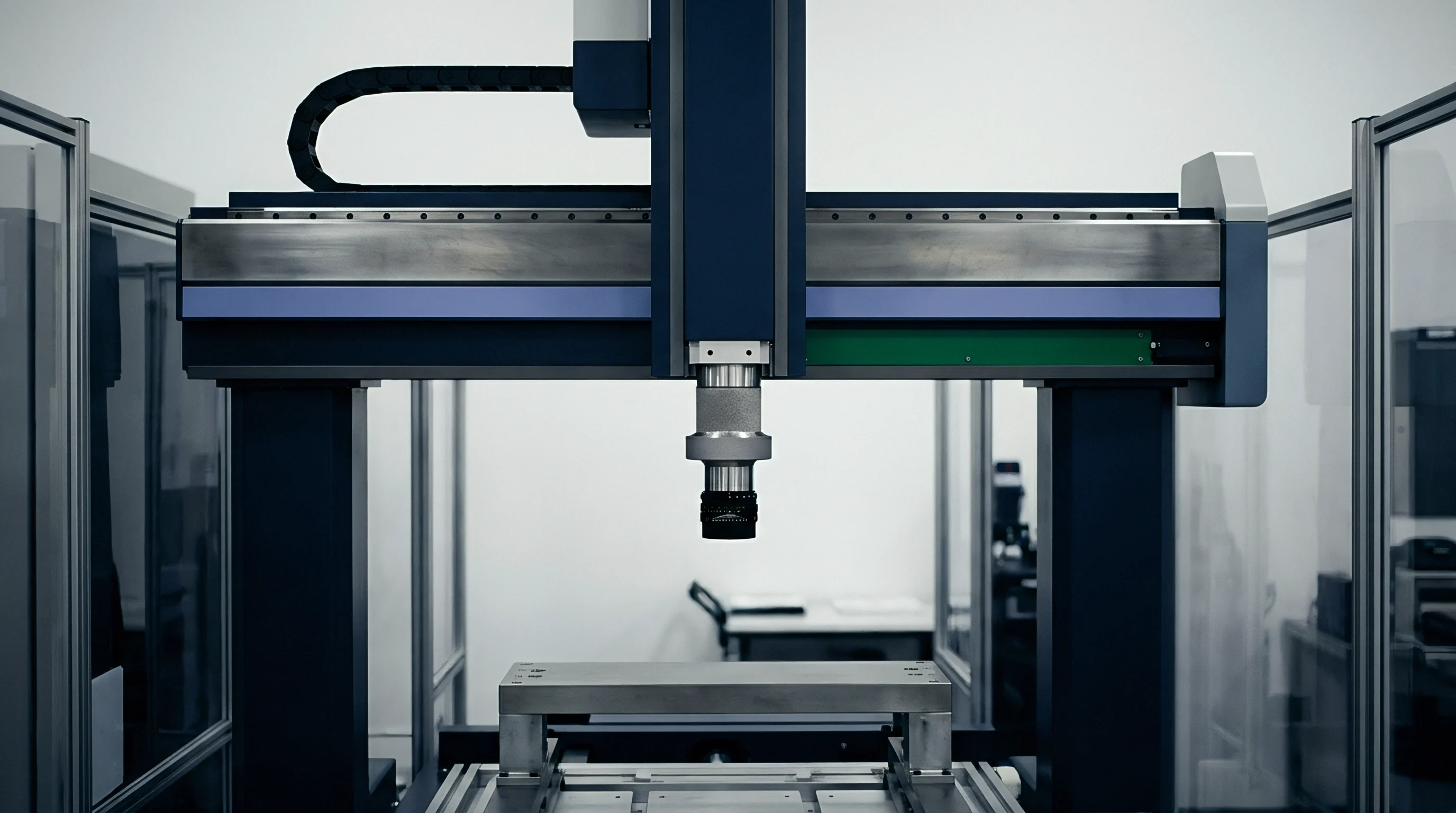
Regulatory compliance requires unbroken traceability linking test logs to manufacturing specifications. ISO 17025-accredited testing facilities record official channels and validate test bench setups. The resulting technical file brings together raw thermocouple readings, voltage traces, gas chromatography data, high-speed video, and teardown records into a single compliance dossier.
Uncontrolled cell runaway damages nearby sensor wiring and signal conduits.
Type approval documentation must correlate tested serial numbers with production bill-of-materials drawings. Alterations to inter-cell barrier thickness, busbar plating, cell supplier, or enclosure seal materials invalidate the report, requiring engineering review or re-testing. Regulatory bodies inspect these dossiers during conformity-of-production audits to confirm manufactured packs match the certified test specimens.
| Regulatory Standard | Primary Jurisdictional Scope | Mandatory Warning Window | Witnessing Requirement | Documentation Retention Period |
|---|---|---|---|---|
| EU Regulation 2023/1542 Annex X | European Union Member States | 5 Minutes minimum prior to hazard | Notified Body or Accredited Lab | 10 Years from market entry |
| UN ECE Regulation 100.03 | UNECE Signatory Countries | 5 Minutes occupant alert | Technical Service Appointed Agent | 10 Years post-production end |
| IEC 62619 Clause 8.2 | Global Industrial Storage | No propagation or isolated vent | ISO 17025 Laboratory Signatory | Design life duration plus 5 years |
Compliance Documentation for Cross-Border Customs
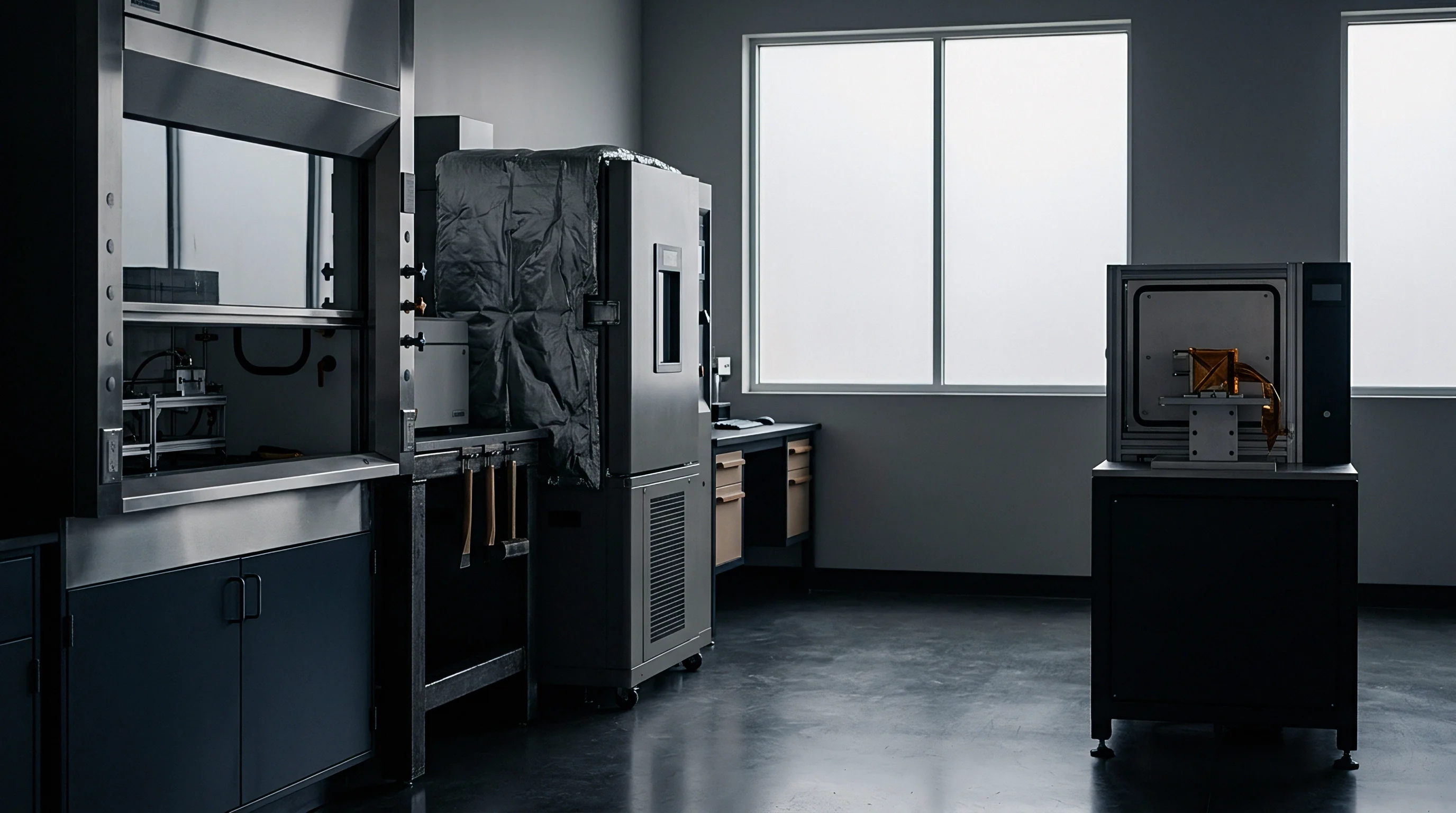
Customs authorities verify safety dossiers against registered approval numbers. Importers submit technical files via regional digital platforms prior to vessel arrival. Shipments missing verified thermal propagation test summaries face port holds, demurrage charges, or mandatory return to origin.
Flame egress invalidates the certification file under applicable UNECE and EU rules.
Voltage drop across terminals confirms separator failure during propagation trials.
Customs authorities inspect type approval files against digital registry databases.
Complete technical safety files stored in digital compliance repositories provide immediate verification when national market surveillance authorities perform unannounced audits on imported battery packs.