Meaning
Standardized laboratory test methods govern the ratings used to quantify non-metallic inclusions in wrought steel products. The standard astm e45 provides worst-field and severity-level charts that classify inclusions into sulfide, alumina, silicate, and globular oxide types. It establishes the baseline micro-cleanliness rating for structural alloys and precision casing materials.
Inclusion Categorization
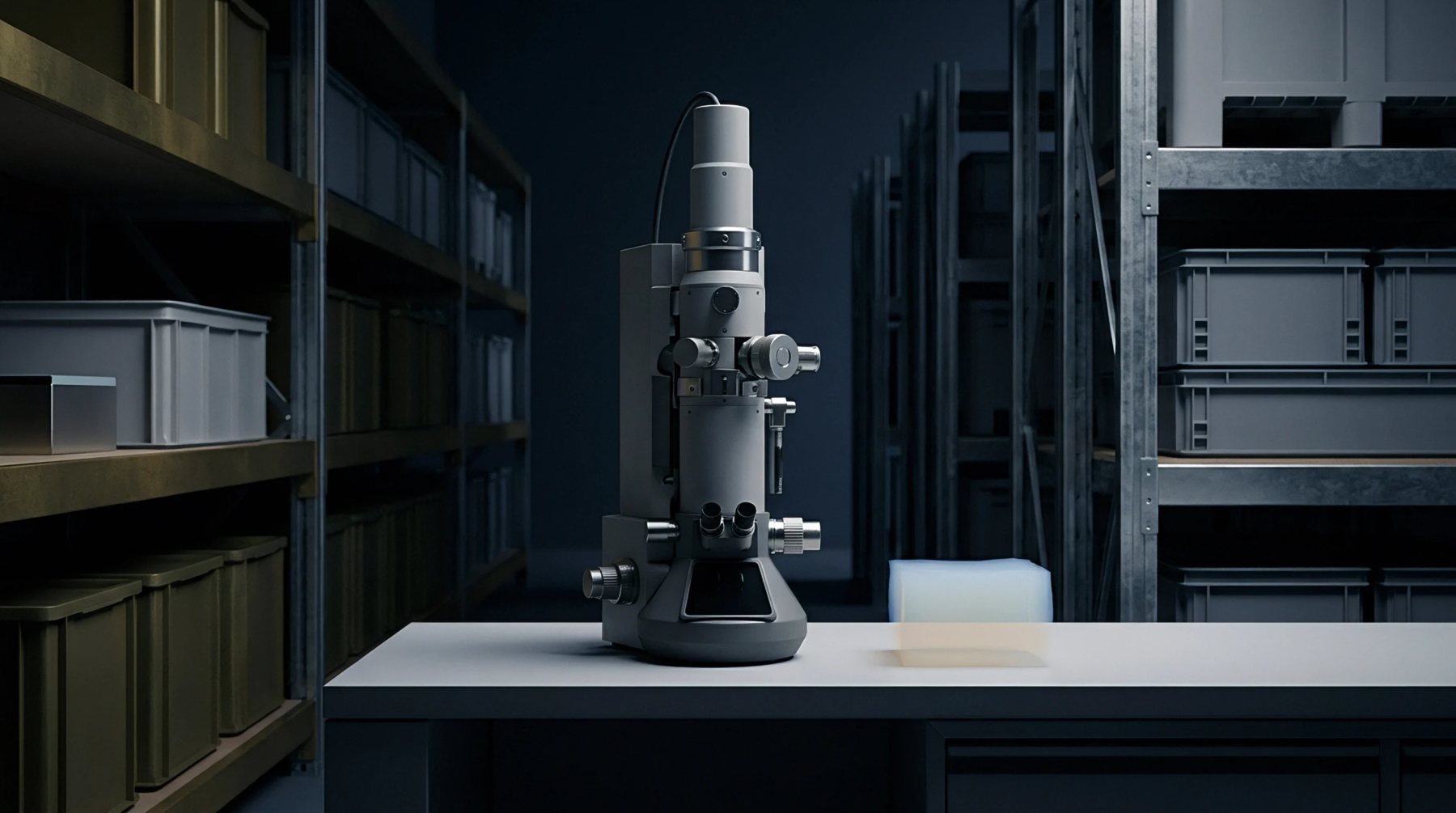
Optical metallography under microscopic magnification isolates specific non-metallic phases across standardized polished cross sections. Method A focuses on worst-field comparison against reference charts, whereas Method D provides quantitative counts over designated surface areas. Micro-cleanliness levels determined through astm e45 isolate oxide stringers from sulfide ribbons, allowing metallurgists to predict fatigue initiation sites under cyclic mechanical stresses.
Quantitative Boundary
Critical rating numbers define acceptable inclusion thickness and length limits for high-stress components. Heavy-series and thin-series designations set exact boundaries beyond which structural integrity degrades. The test protocol stops applying when examining cast structures or powder metallurgy components that lack wrought directional grain flow.
Sourcing Verification
Commercial procurement specifications incorporate inclusion limit tables to verify mill heat quality prior to mechanical stamping or deep drawing. Supply contracts reference specific rating limits to prevent fatigue failure during service. Material lots exceeding designated inclusion bounds face immediate rejection at the receiving dock.