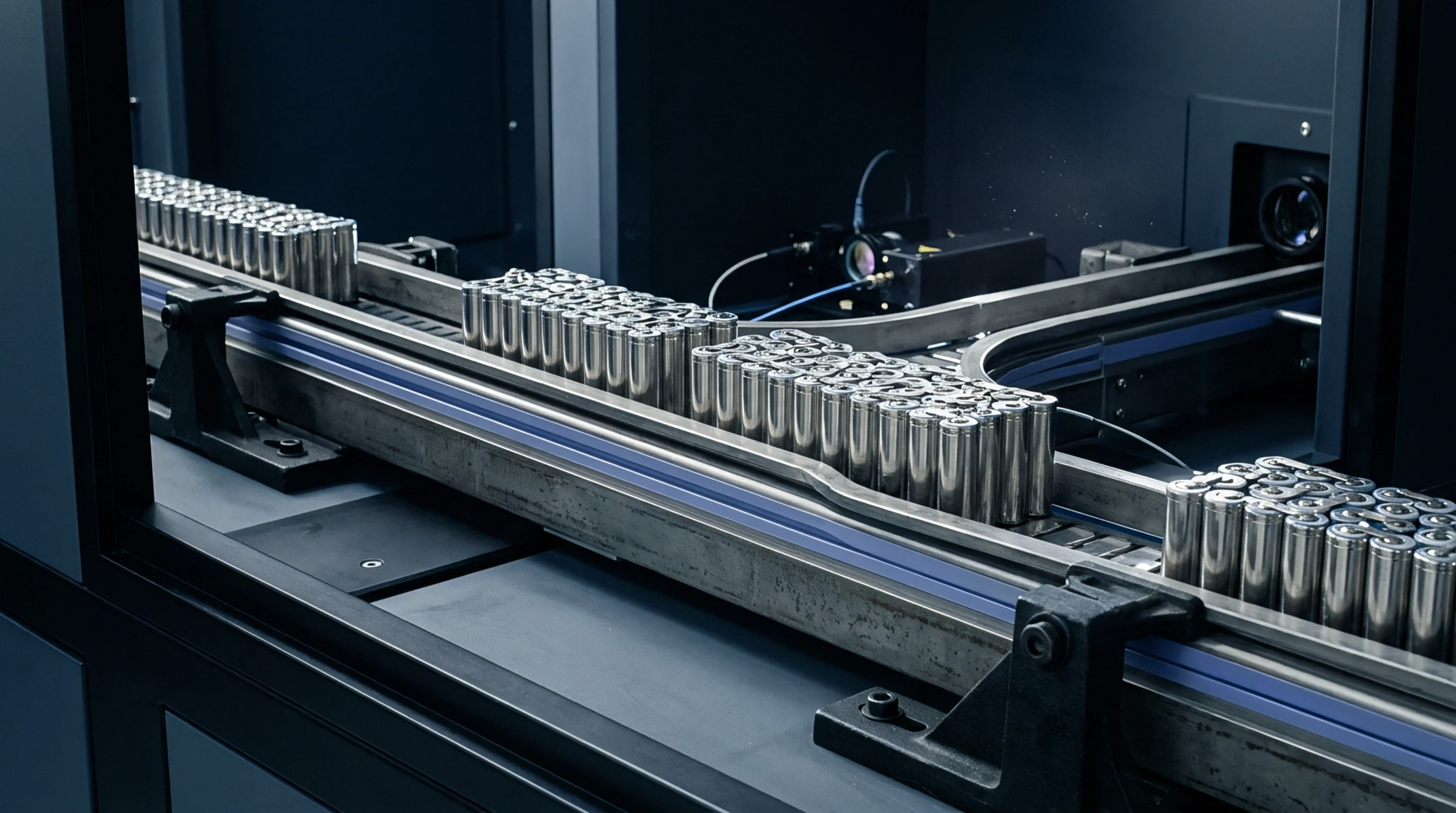
Predictive Modeling of Thermal Void Expansion during High-Speed Steel Heat Treatment
Thermal void expansion in high-speed steel originates from vacancy flux around undissolved carbides at austenitizing temperatures above 1190 degrees Celsius.
Thermal void expansion in high-speed steel originates from vacancy flux around undissolved carbides at austenitizing temperatures above 1190 degrees Celsius.
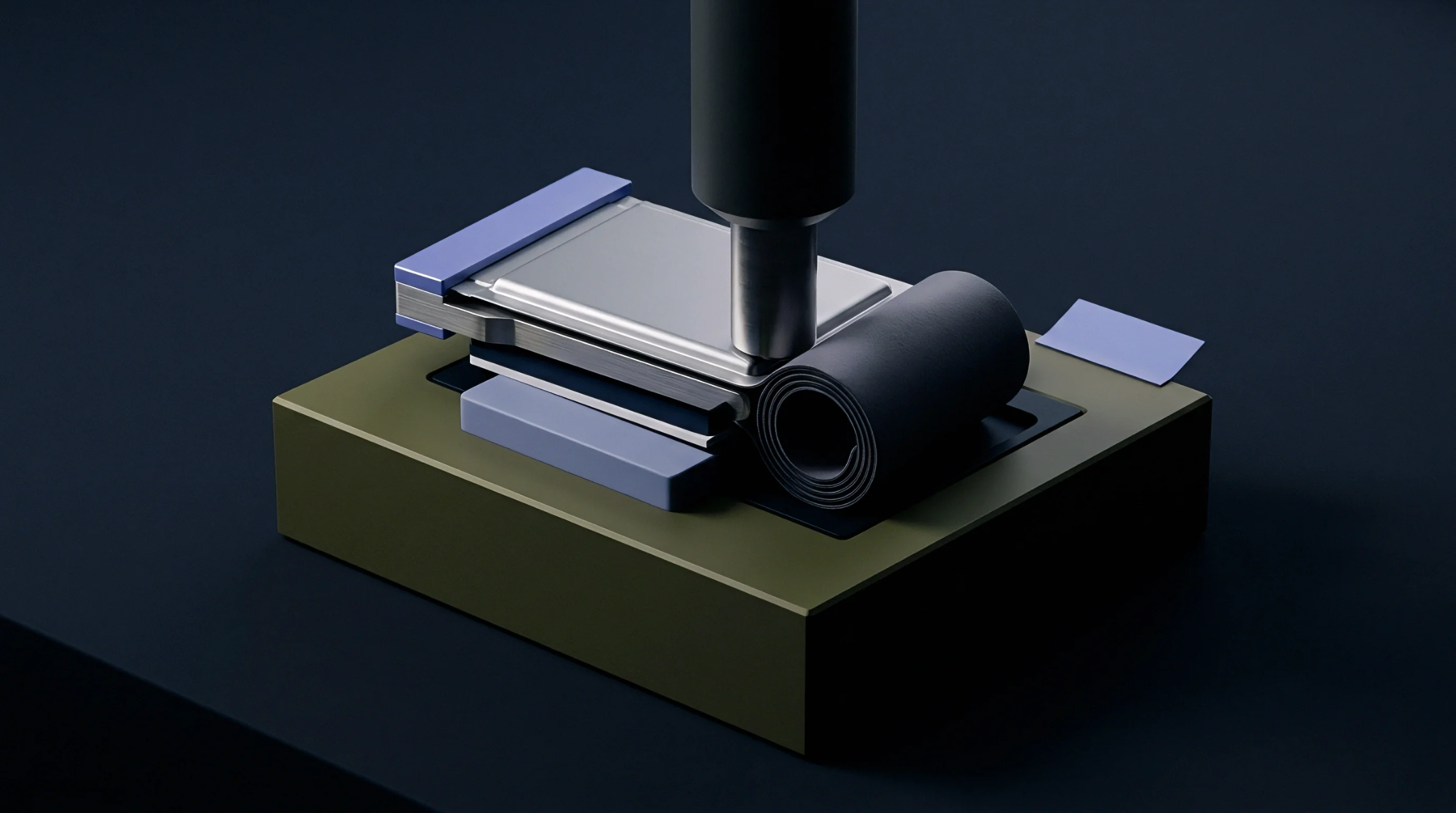
Stereological volume calculations in rolled tool steel require multi-planar geometric integration to correct directional carbide stringer measurement bias.

Systematic ASTM E562 manual point counting protocols quantify tool steel carbide and austenite volume fractions within verified statistical error boundaries.

Vacuum outgassing atomized tool steel powders between 180 and 650 degrees Celsius under high vacuum removes surface contaminants and prevents particle boundary failure.

Quantifying tool steel carbide banding via ASTM E1268 stereology prevents micro-chipping and premature fracture in high-takt battery cell stamping dies.
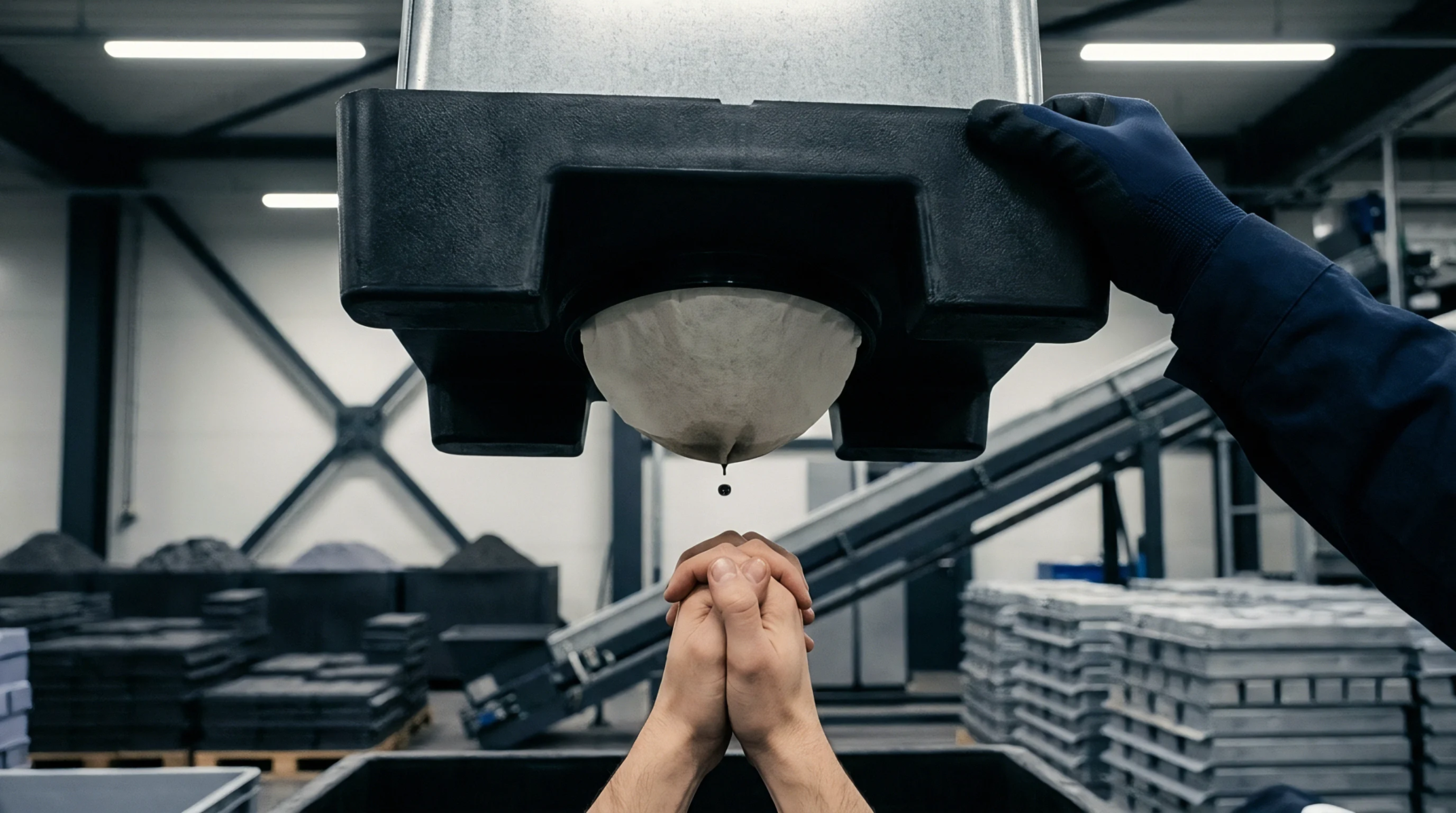
Unbiased stereological sampling maps planar carbide arrays to three dimensional volume fractions for tool steel incoming inspection.
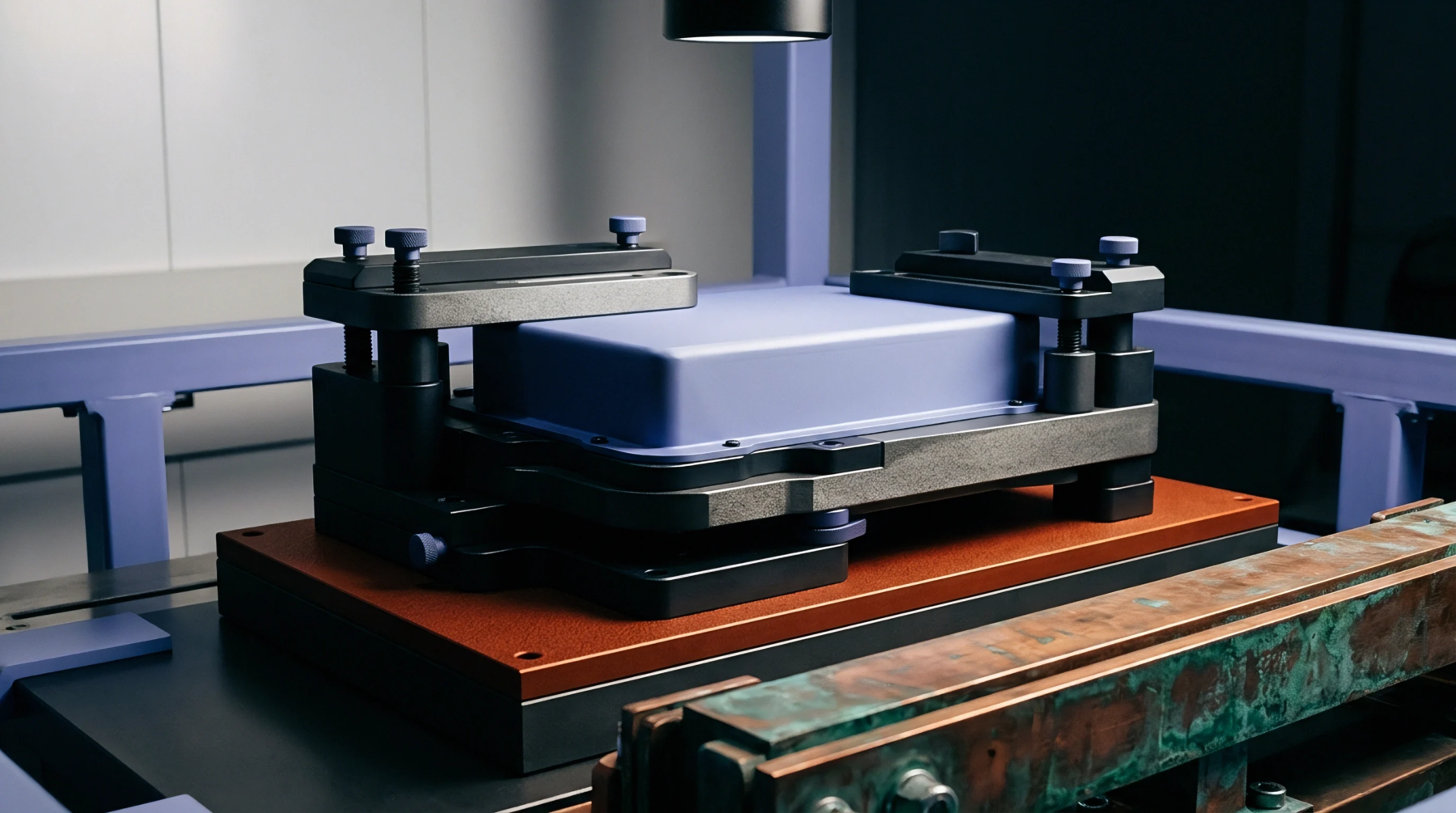
Field emission electron backscatter stereology provides accurate sub-micron carbide metrics required to prevent electrode slitting blade wear and cell separator punctures.
Expertise is a utility, not a secret. sentiention™ publishes its working knowledge as open reference: intelligence layer covering the materials it sources, the markets it enters, and the reference that serves both.