Meaning
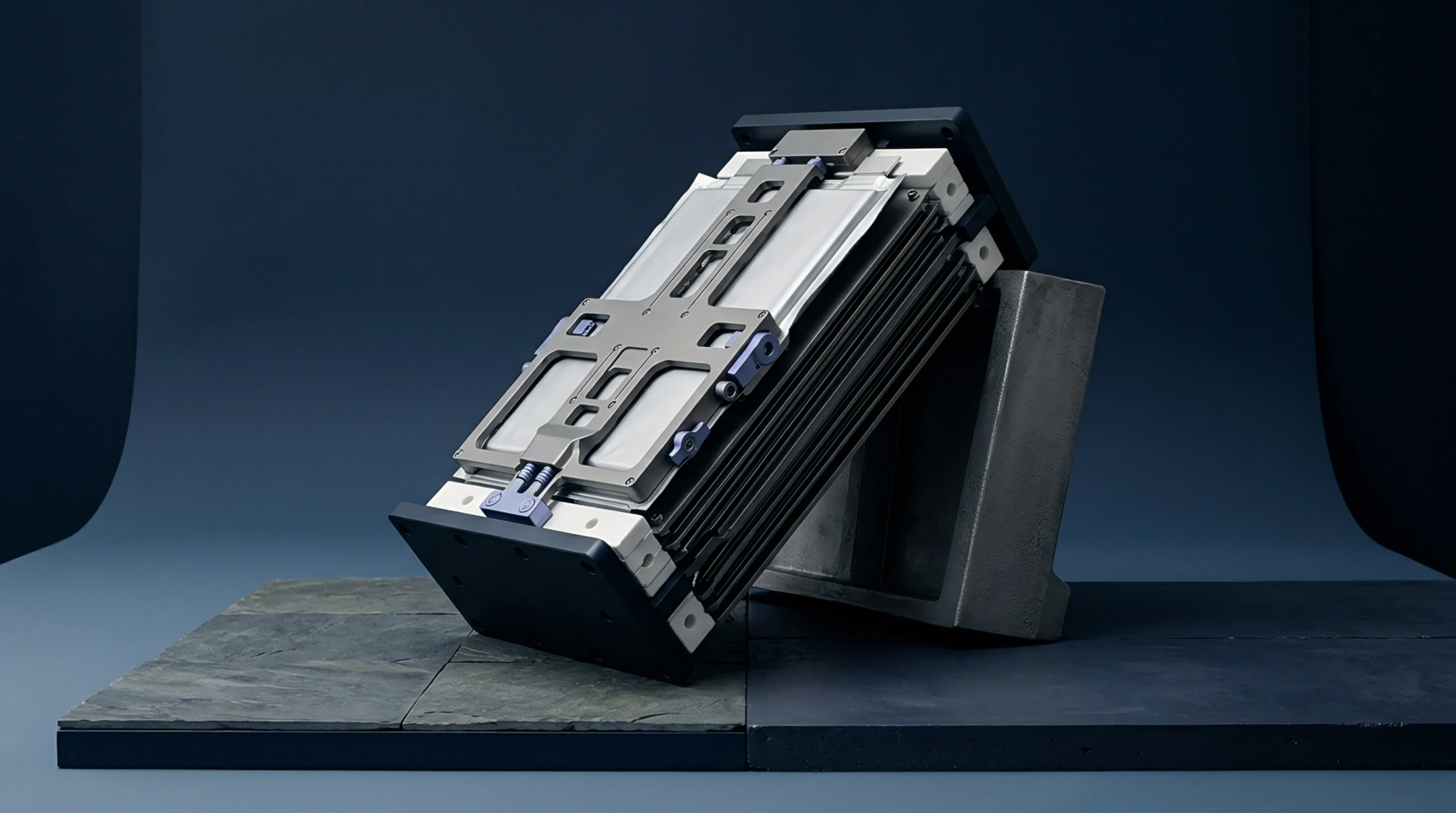
Custom industrial equipment enables the mechanical assembly and high-volume throughput of energy storage modules during the manufacturing cycle. Battery pack tooling consists of the jigs, fixtures, robotic end effectors, and structural frames that align cells and secure electrical interconnects within a casing. Precision in these metallic components dictates the tolerance of the final product and determines the physical integrity of the energy storage system under operational stress.
Production Cycle
Specialized alignment jigs maintain positional accuracy while operators perform cell grouping or busbar welding. These metallic structures ensure that thermal interface materials spread evenly across the surface of the cooling plate to prevent hotspots. Failure to maintain rigid control over the spatial positioning during the joining phase increases the risk of short circuits or improper electrical contact resistance.
Capacity Variance
Modular design adjustments permit the adaptation of a single production line to handle differing cell form factors or internal configurations. Engineers calculate the necessary clearance for expansion to account for the cycle life swelling of lithium ions without inducing stress on the housing. Fixed stops and calibrated sensor arrays provide feedback to the control logic to verify that each sub-assembly sits within the specified deviation limits before the welding process starts.
Operational Lifecycle
Heavy duty frames remain in continuous use for the duration of the model production run and require regular maintenance to combat wear from abrasive contact. Hardened steel surfaces prevent the degradation of contact points that might otherwise produce metal shavings or debris inside the sealed pack environment. Longevity in this hardware serves as a baseline for the total return on investment for the automated factory floor.