Meaning
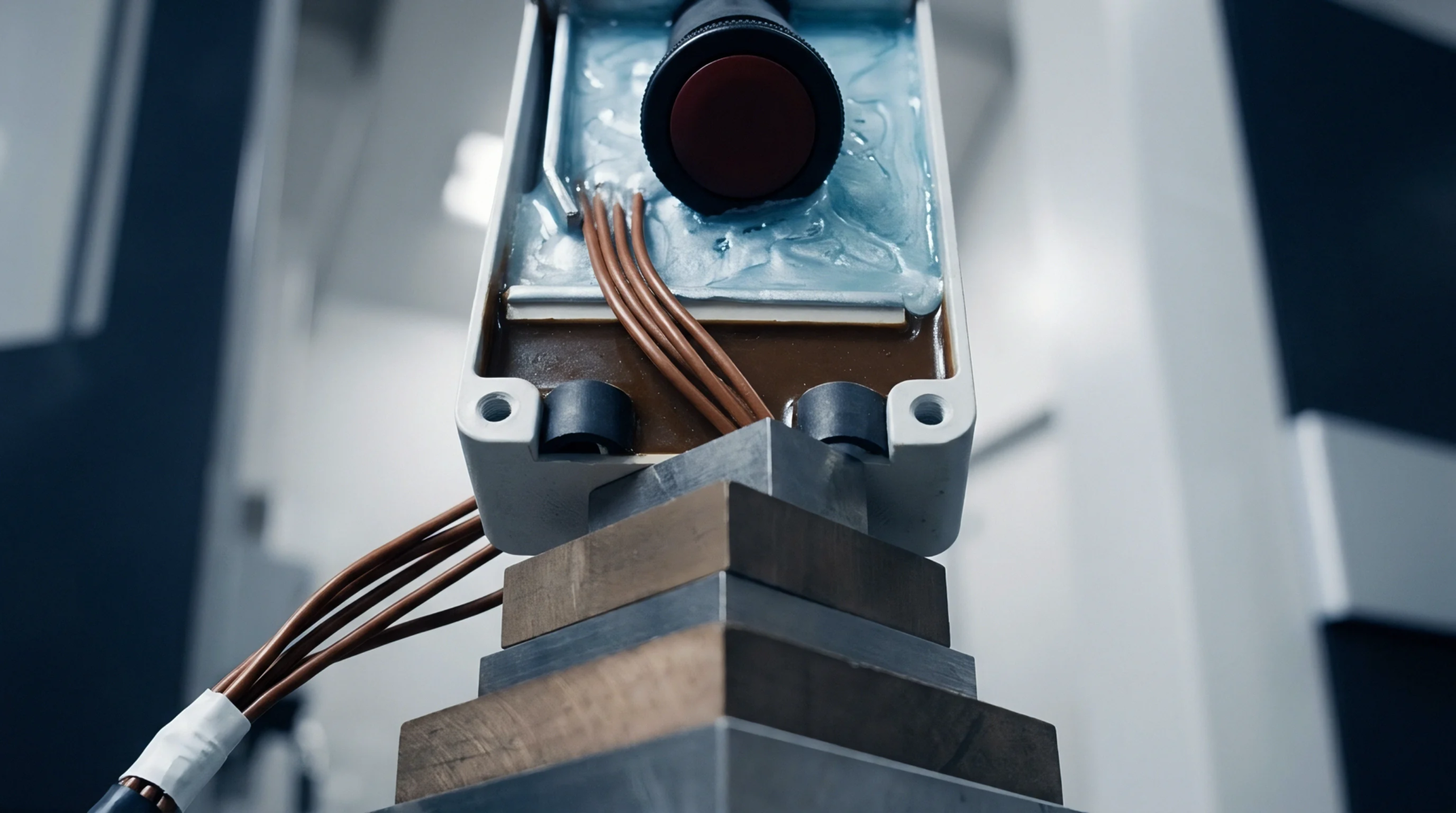
Nucleation and expansion of gas cavities within a liquid electrolyte occur during the initial formation cycle or under abusive operating conditions. This phenomenon, known as bubble growth, takes place when dissolved gases reach saturation limits and coalesce at the electrode-electrolyte interface. It can block the path of lithium ions and lead to uneven current distribution and localized lithium plating.
Electrochemistry Mechanism
During the first charge, the decomposition of electrolyte solvents generates volatile species such as ethylene, carbon dioxide, or hydrogen that nucleate as tiny bubbles on the anode surface. As current continues to flow, more gas diffuses to these nucleation sites, causing them to expand and push the liquid electrolyte out of the active pores of the separator. This action dries out parts of the electrode, raising the local impedance of the cell.
Production Standard
Manufacturing lines use controlled degas cycles and vacuum sealing after the formation stage to remove these accumulated gases before the cell is finalized. If the rate of gas expansion exceeds the venting capacity, the cell casing can deform, which raises the rejection rate during final quality control. Sourcing contracts specify allowable thickness variance to limit the presence of unvented gas.
Temperature Effect
Elevated operating temperatures accelerate the rate of gas generation and speed up the expansion process. High temperatures lower the solubility of the gas in the organic solvent, driving faster bubble accumulation.