
Melt Superheat and Gas Pressure Calibration for Tool Steels
Melt superheat fixes metal viscosity while gas pressure sets atomization shear energy, directly controlling powder size, cooling rate, and carbide morphology.
Melt superheat fixes metal viscosity while gas pressure sets atomization shear energy, directly controlling powder size, cooling rate, and carbide morphology.

Validate powder metallurgy tool steel dies via ultra-fine carbide distribution, 2400 MPa compressive yield, zero recast EDM skin, and VDI 3198 HF1 coating adhesion.

Quantifying carbide alignment via stereological orientation tensors identifies directional fracture risks before machining precision tool steel components.
Entrapped argon porosity reduces tool steel transverse rupture strength by creating surface-adjacent stress concentrations that lower Weibull reliability.

Gas atomization parameters and nozzle delivery pressures dictate argon entrapment levels, governing melt superheat control and inert gas mass monitoring.
Systematic ASTM E562 manual point counting protocols quantify tool steel carbide and austenite volume fractions within verified statistical error boundaries.
Maintain negative aspiration pressure above 25 kPa gauge using optimized close-coupled tip recess geometries to eliminate argon entrapment in tool steel powders.

Specific gas consumption and nozzle tip pressure determine liquid breakup efficiency and final yield in tool steel atomization.

Vacuum outgassing atomized tool steel powders between 180 and 650 degrees Celsius under high vacuum removes surface contaminants and prevents particle boundary failure.
Dynamic fatigue micro-cracking in high-vanadium tool steels initiates at carbide clusters where inter-particle spacing drops below 0.3 µm under cyclic shear.
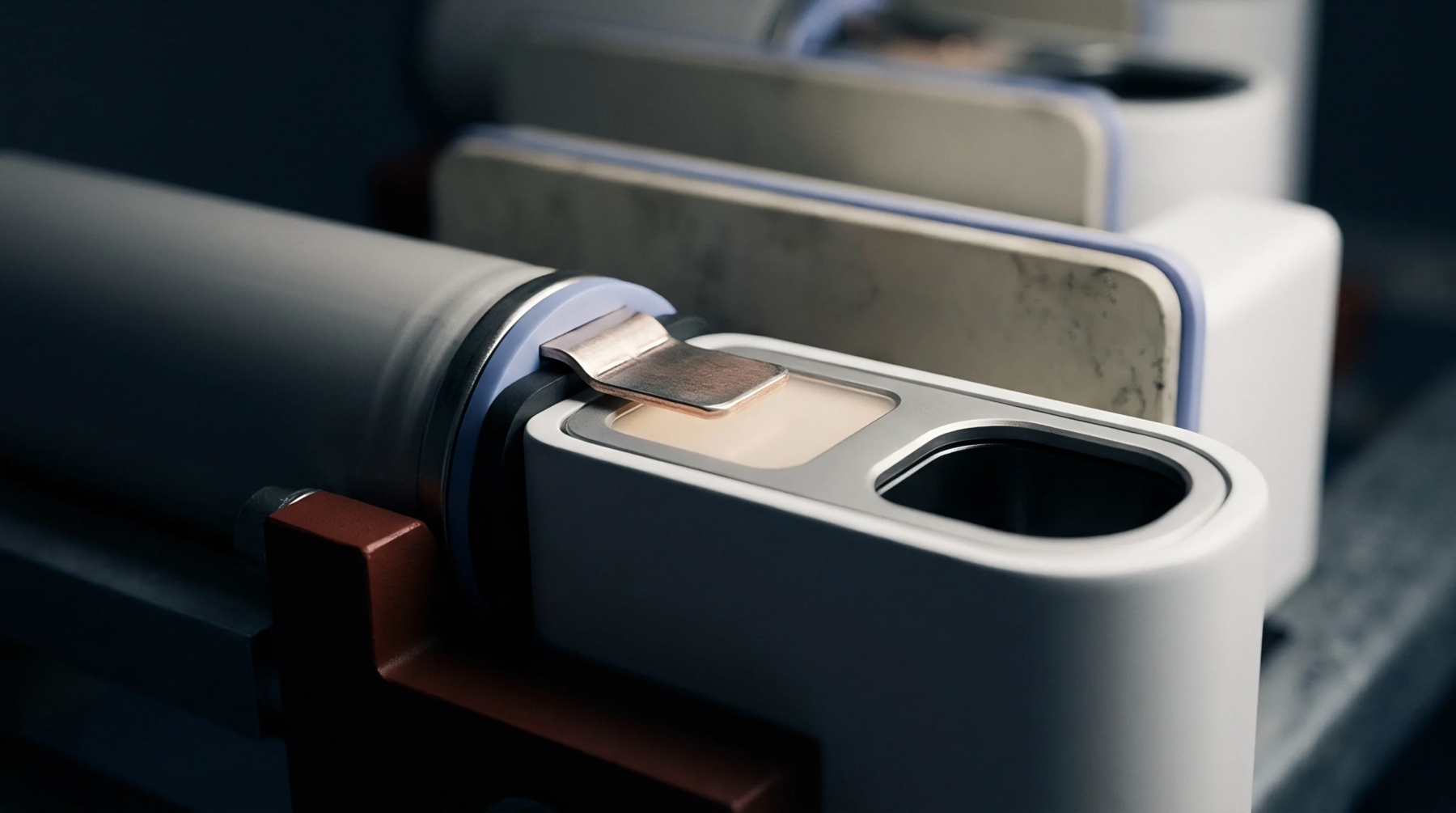
Primary carbide banding in conventional ingot tool steels accelerates die fatigue cracking; specifying isotropic powder metallurgy steel extends tab punch life ten-fold.

Precision electrode slitting requires powder metallurgy tool steels with high vanadium carbide volume to eliminate micro-chipping and maintain burr limits below 10 µm.

Entrapped inert gas expands inside softened tool steel matrix during post-HIP thermal cycles, requiring strict degassing and vacuum TIP testing to verify integrity.

Quantifying tool steel carbide banding via ASTM E1268 stereology prevents micro-chipping and premature fracture in high-takt battery cell stamping dies.
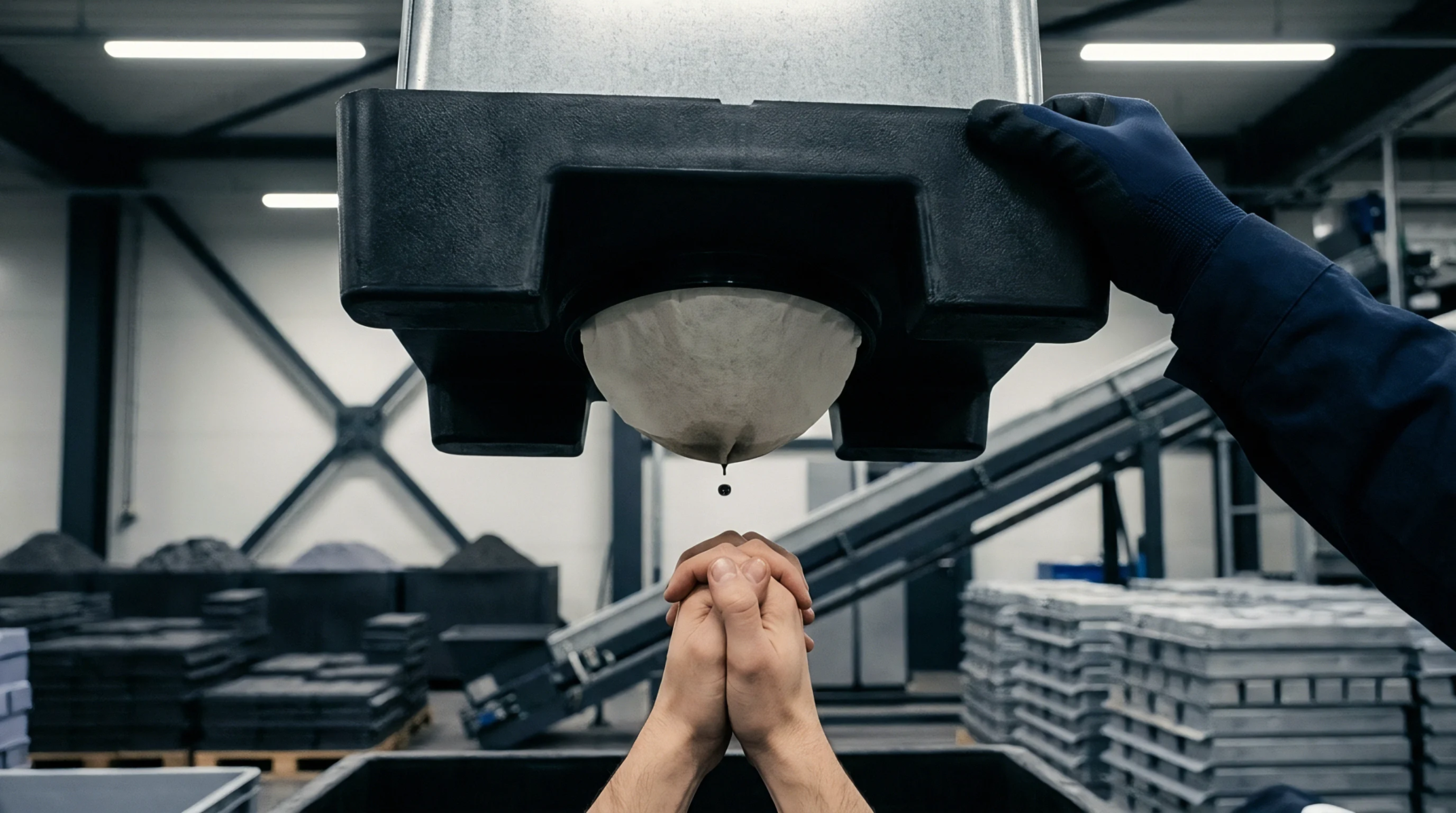
Unbiased stereological sampling maps planar carbide arrays to three dimensional volume fractions for tool steel incoming inspection.
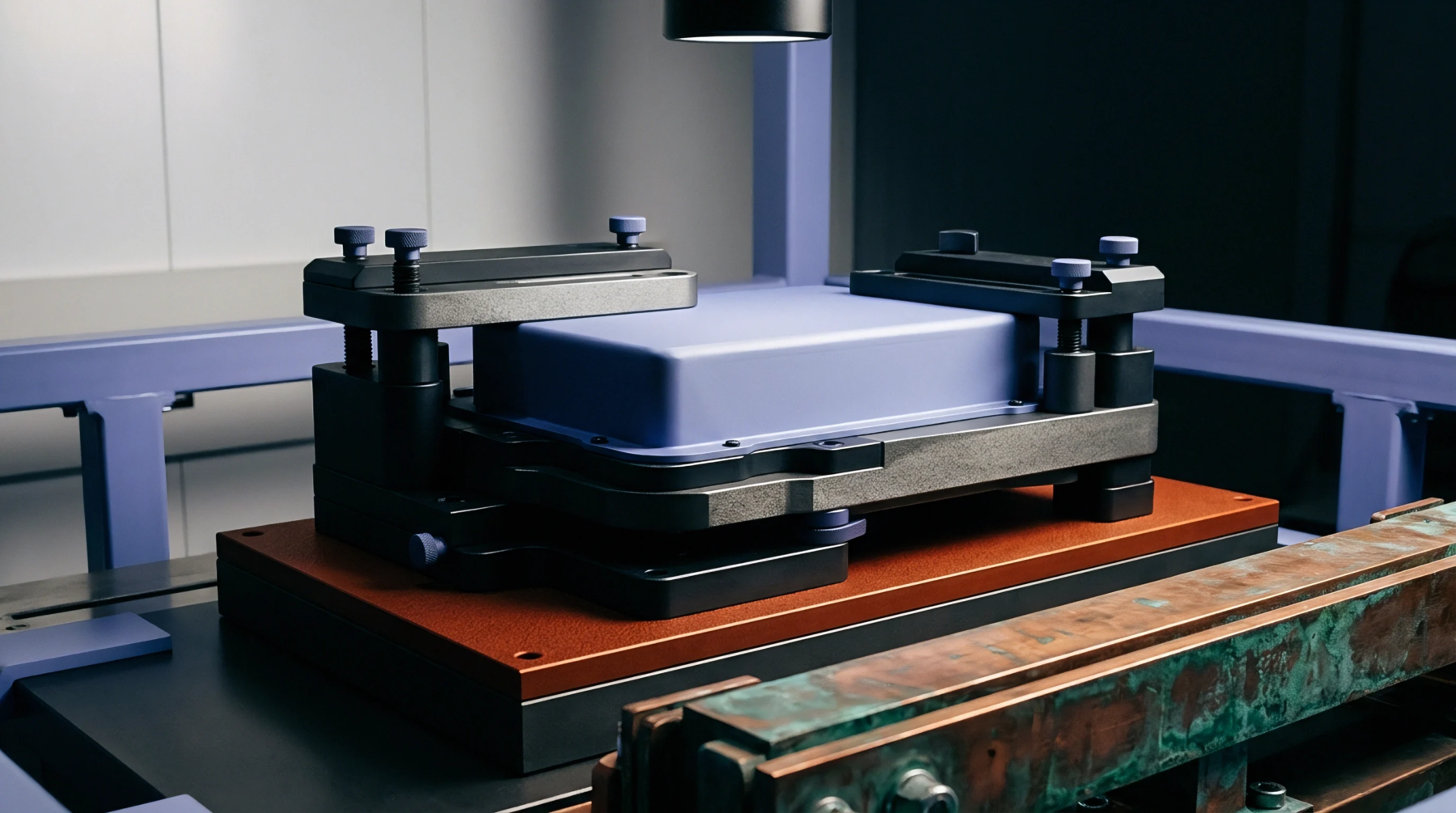
Field emission electron backscatter stereology provides accurate sub-micron carbide metrics required to prevent electrode slitting blade wear and cell separator punctures.
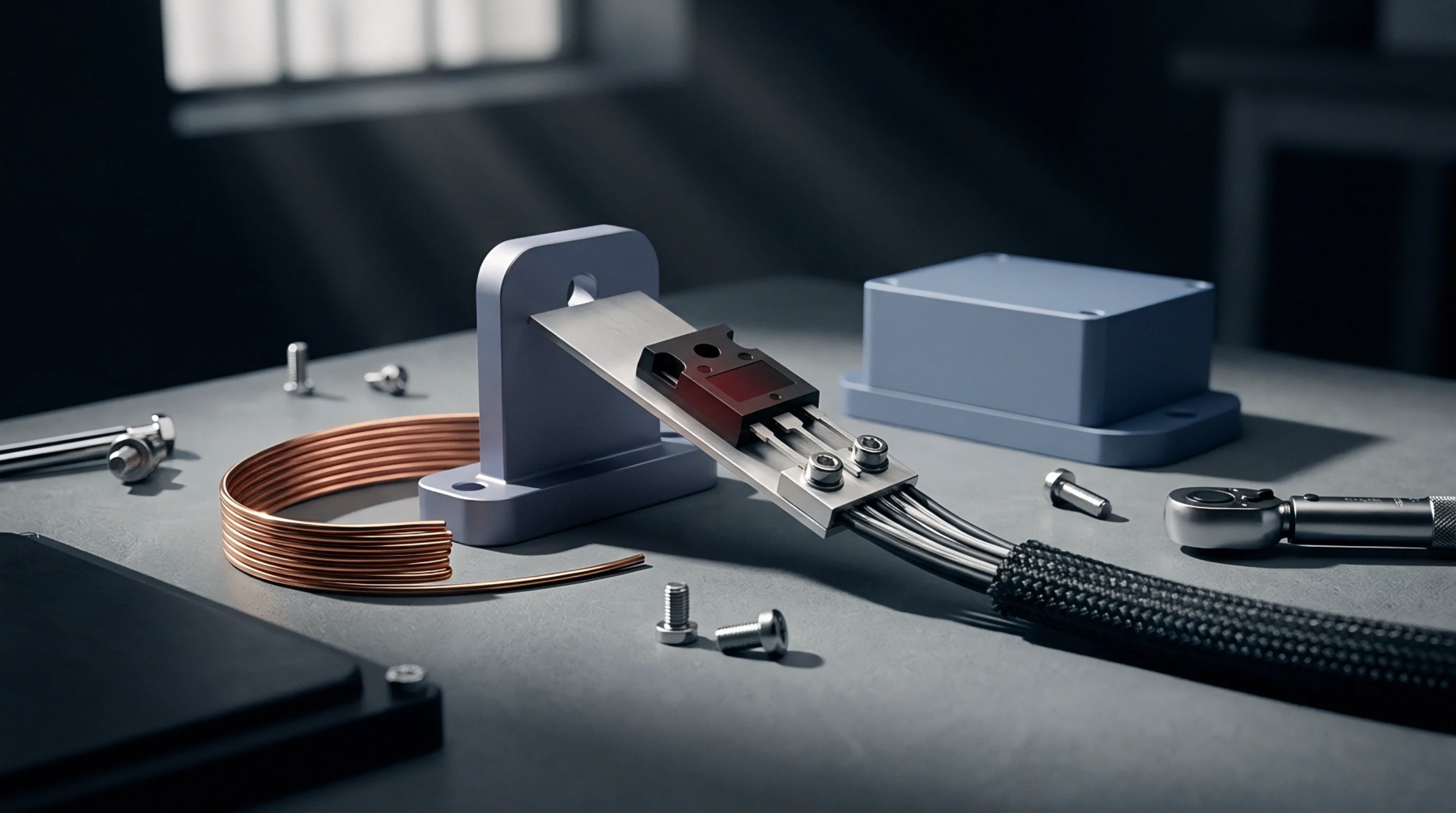
Specify ISO 5949 Class 2 max carbide segregation on die billet orders; verify incoming core coupons via quantitative stereology before paying tooling NRE.
Inert gas atomization of tool steels requires precise superheat control, supersonic argon nozzles, and closed-loop gas recycling to yield dense spherical powders.
Optimizing tundish superheat, gas-to-metal ratio, and cooling rates ensures uniform fine carbide distribution and eliminates thermal segregation in PM tool steel powder.

Structural tool steel longevity requires controlling matrix phase dynamics, thermal fatigue, and erosion to eliminate part tolerance stack-up and warranty disputes.

Vanadium carbide distribution in PM tool steels is governed by atomization droplet cooling rates and sets the structural limit for wear resistance and edge toughness.
Expertise is a utility, not a secret. sentiention™ publishes its working knowledge as open reference: intelligence layer covering the materials it sources, the markets it enters, and the reference that serves both.