Meaning
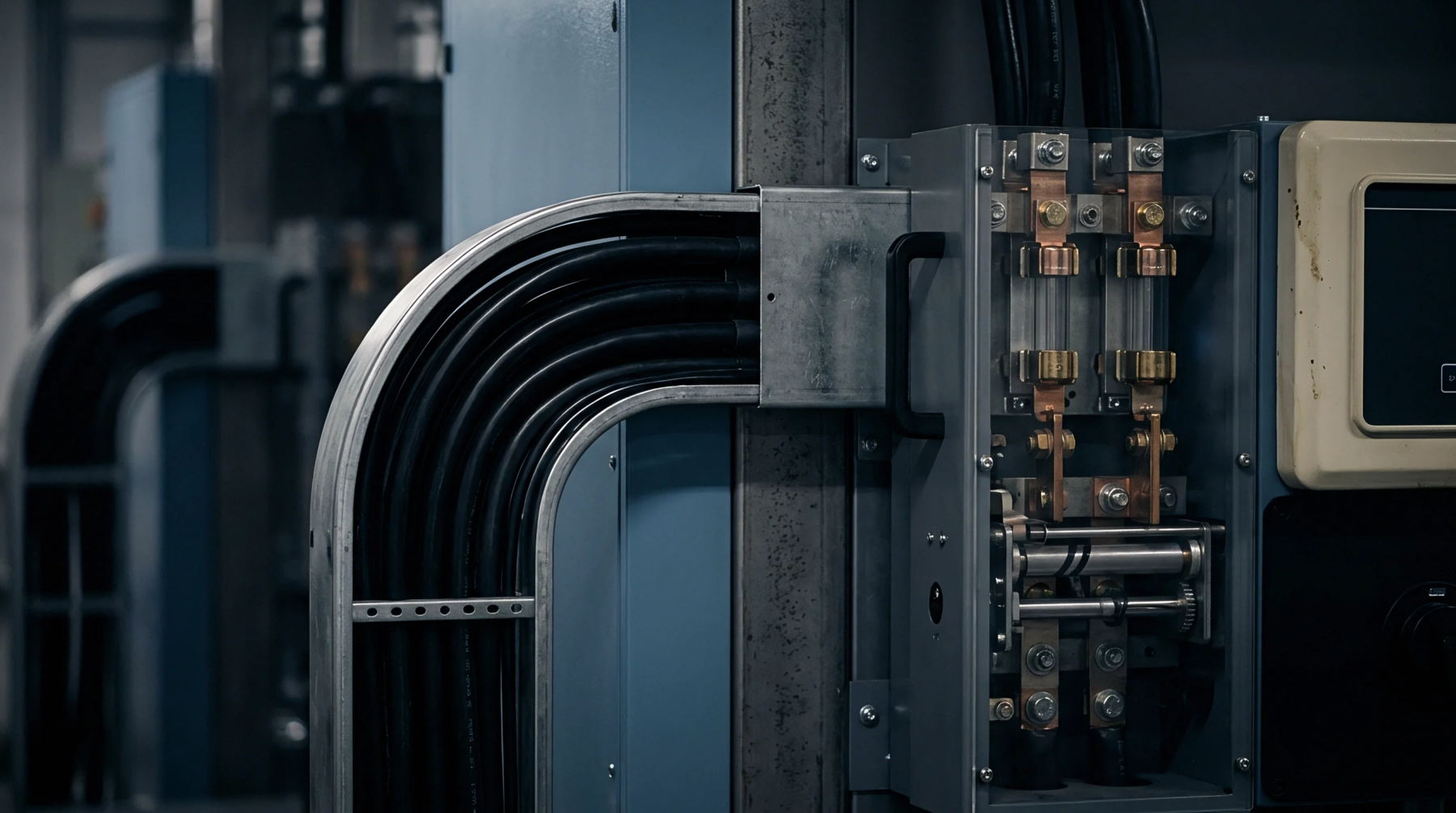
Electrical interface points provide the physical connection between conductive tracks and terminal hardware in energy storage systems. Quality busbar terminations ensure low resistance paths for current flow while maintaining mechanical integrity under vibration and thermal cycling. These points define the boundary between the cell assembly and the power electronics interface.
Failure at this junction results in localized heating that threatens the safety of adjacent cells.
Connection Architecture
Mechanical design dictates the geometry of the mating surfaces to maximize the effective contact area. When busbar terminations use bolted joints, the surface finish must be flat enough to exclude air and prevent oxidation. Multi-layered flexible links accommodate thermal expansion without stressing the rigid mounting hardware.
Plating choices further modify the longevity of the interface by preventing galvanic corrosion between dissimilar materials.
Contact Pressure
Fastening torque determines the actual resistance of the electrical bridge. Sufficient force flattens microscopic asperities on the metal surface to create a metal to metal gas tight seal. Insufficient clamp load allows moisture to enter the space.
Current Density
Heat generation follows the square of the current moving through the reduced cross section of the joint. Modern busbar terminations must handle peak loads without exceeding the glass transition temperature of surrounding plastic housings. High mass designs assist in thermal dissipation during short bursts of high amperage.