
Quantifying Galvanic Corrosion Kinetics across Battery Pack Busbar Terminations
Galvanic corrosion kinetics at battery busbar joints depend on potential offsets, area ratios, and moisture film thickness, requiring controlled plating barriers.
Galvanic corrosion kinetics at battery busbar joints depend on potential offsets, area ratios, and moisture film thickness, requiring controlled plating barriers.
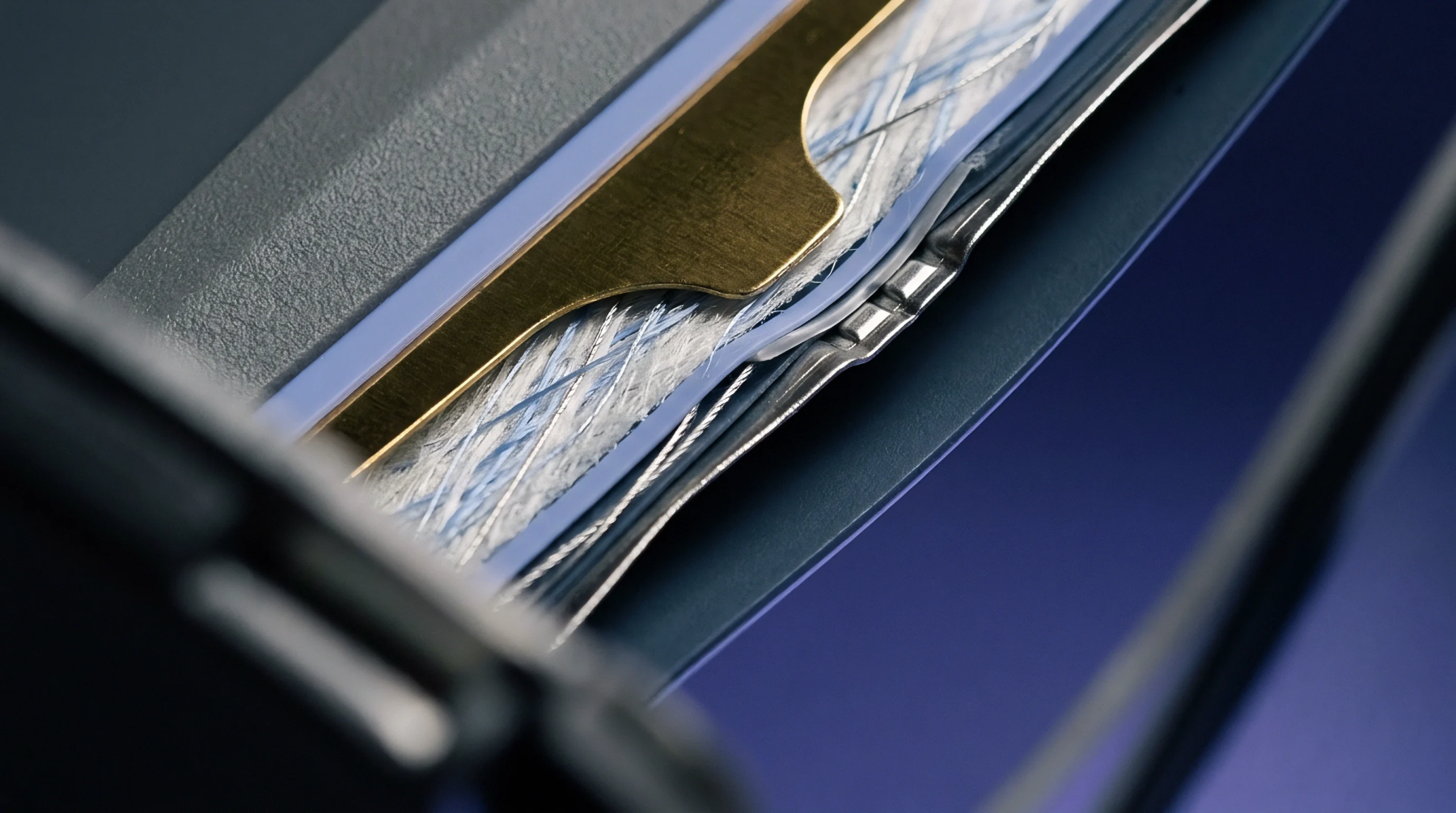
Laser-welded 3003 aluminum cell headers under sulfide swelling require lower bead tensile stress below fifty megapascals to prevent stress corrosion cracking.
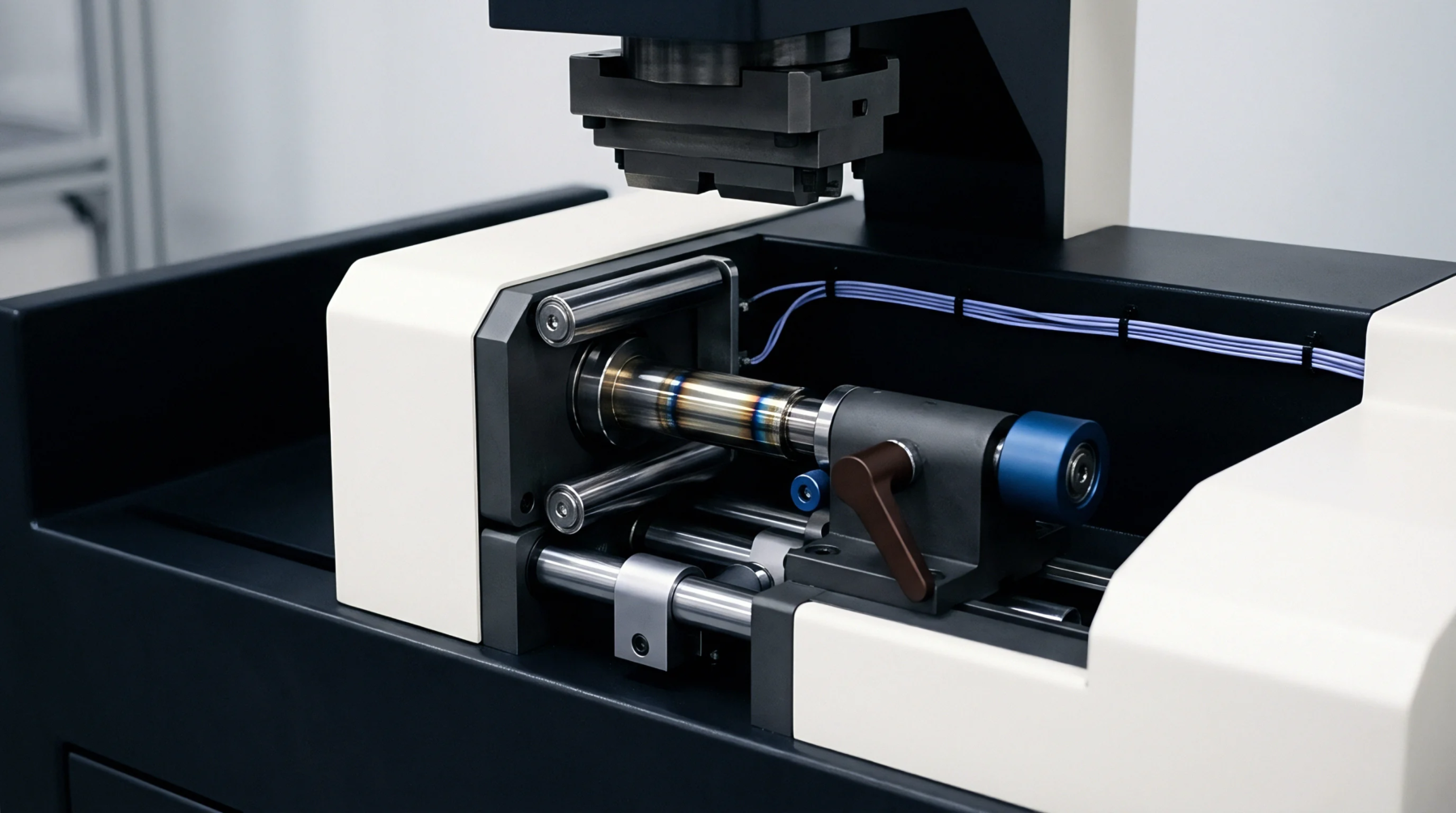
Root notch geometry and coupled breathing-thermal strain dictate header weld fatigue life, requiring non-linear strain-life prediction over far-field stress models.

Verify multi-axial yield limits and planar plastic strain ratios across three sheet axes to prevent catastrophic battery enclosure tearing under crash loads.

Thermal expansion and cell swell induce cyclic shear stresses that trigger weld fatigue and interconnect creep, requiring compliance flexure loops.
Powder metallurgy tool steels with cryogenic phase stabilization eliminate edge chipping and cut amortized tooling costs by over eighty percent in battery dies.
Consolidated high-alloy steel battery enclosures require sub-3% planar yield variation across all sheet axes to prevent localized shear failure under cyclic shock.
Tightening housing floor machining planarity below 0.2 mm slashes thermal paste volume requirements, preventing multi-million dollar annual BOM overruns.
Expertise is a utility, not a secret. sentiention™ publishes its working knowledge as open reference: intelligence layer covering the materials it sources, the markets it enters, and the reference that serves both.