Meaning
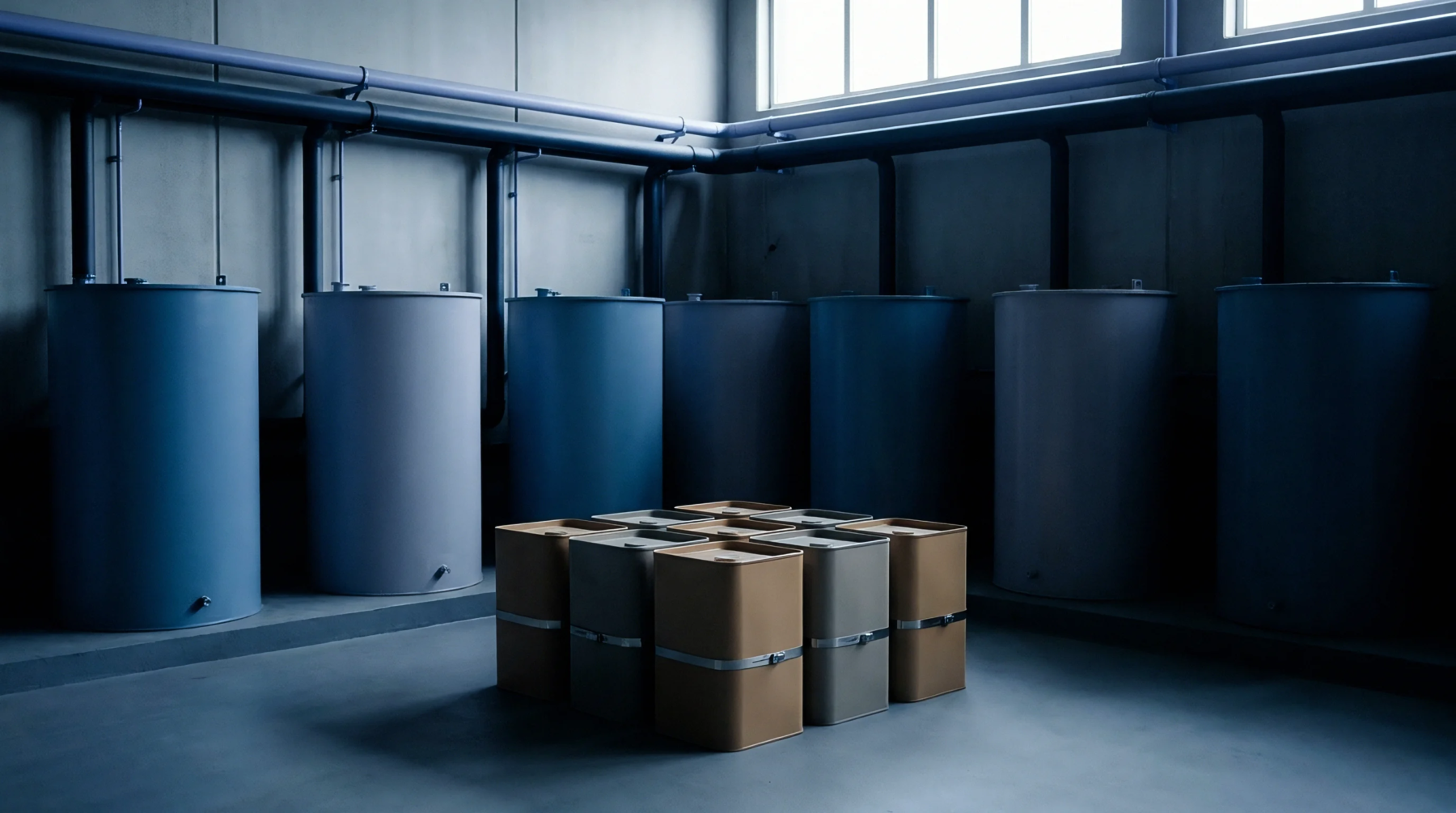
Coconut shell carbon belongs to the porous granular filtration media class utilized in industrial gas purification systems and wastewater treatment facilities. This specialized activated material derives from processed biomass subjected to high temperature steam activation. Commercial buyers evaluate the substance based on iodine number, hardness, and mesh size distribution.
High adsorption capacity enables removal of volatile organic compounds, trace contaminants, and aqueous pollutants from fluid streams. Operational limits appear when relative humidity levels exceed ninety percent because water vapor occupies micropore volume and reduces adsorption efficiency.
Pore Distribution
Microporous architecture defines the internal surface area available for molecular trapping within coconut shell carbon. Steam activation creates networks dominated by pores measuring below two nanometers in width. Small molecular contaminants enter these narrow channels and bond through physical adsorption forces.
Industrial purchasers specify pore volume distribution parameters when procuring batches for gas phase separation tasks. Fluid dynamics across the packed bed depend on particle size uniformity and dust content percentages.
Activation Process
Thermal carbonization followed by steam treatment transforms raw agricultural husks into coconut shell carbon. Furnaces operate under controlled oxygen deprivation conditions during the initial charring phase to eliminate volatile matter. Superheated steam gasification opens internal channels within the solid matrix during the second manufacturing stage.
Energy input levels determine final hardness characteristics and ash content limits. Finished batches undergo screening to separate fractions meeting specific commercial mesh designations.
Adsorption Capacity
Equilibrium loading data dictates how coconut shell carbon performs in continuous filtration cycles. Inlet concentration profiles and contact time intervals govern contaminant removal efficiency inside treatment vessels. Breakthrough curves establish the precise moment when saturation requires thermal regeneration or media replacement.
Purchasing departments negotiate supply contracts according to delivered CTC activity values and moisture content thresholds. Spent material undergoes specialized reactivation processing to recover pore volume for subsequent operational deployment.