
Hard Carbon Precursor Selection and Thermal Carbonization Principles
Hard carbon performance relies on precursor heteroatom crosslinking and tuned carbonization thermal ramps to maximize closed porosity and initial capacity.
Hard carbon performance relies on precursor heteroatom crosslinking and tuned carbonization thermal ramps to maximize closed porosity and initial capacity.
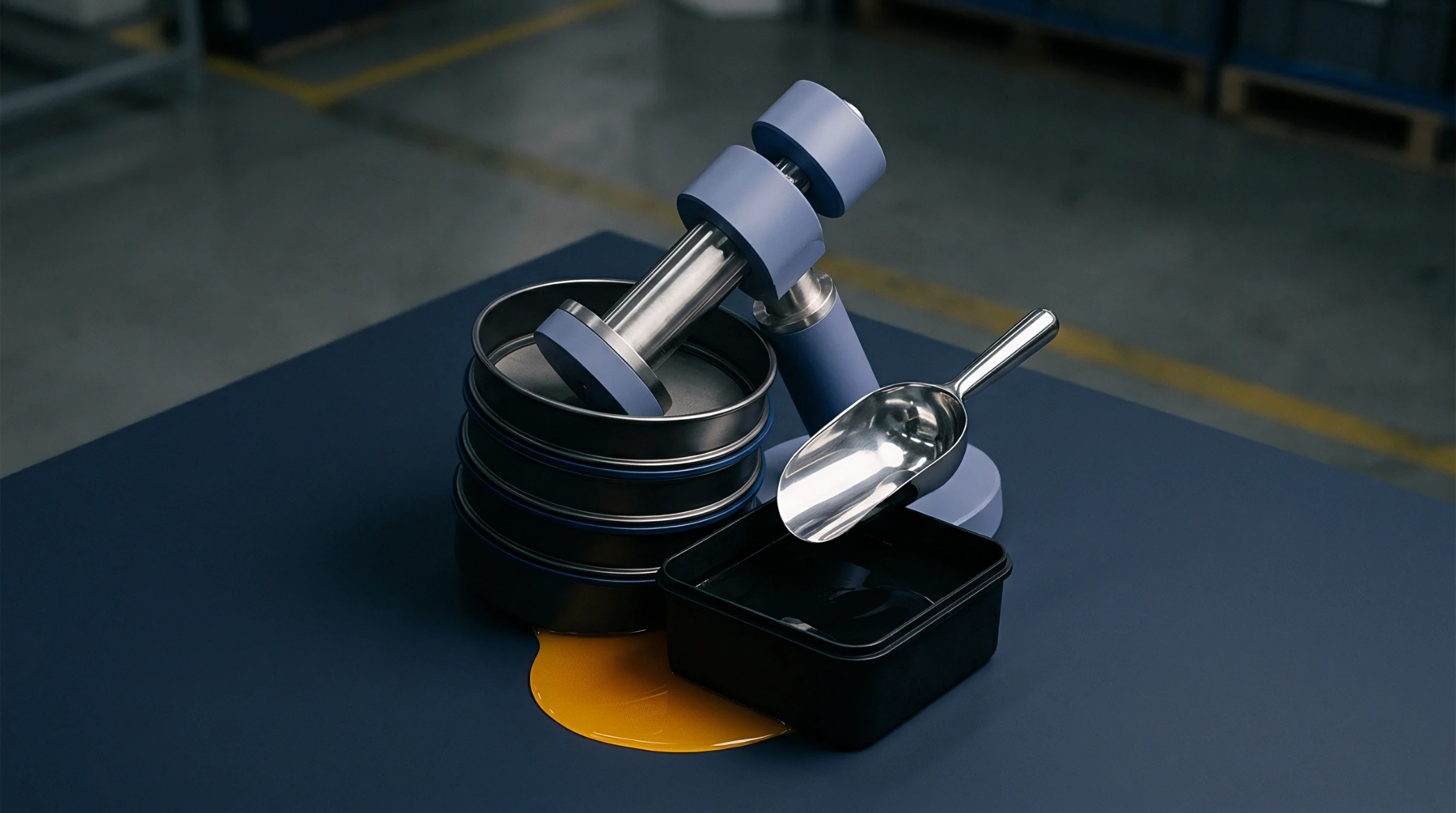
Calendering hard carbon anodes above 1.55 g/cm³ triggers mechanical collapse of closed nanopores, destroying low-potential plateau capacity and cycle life.
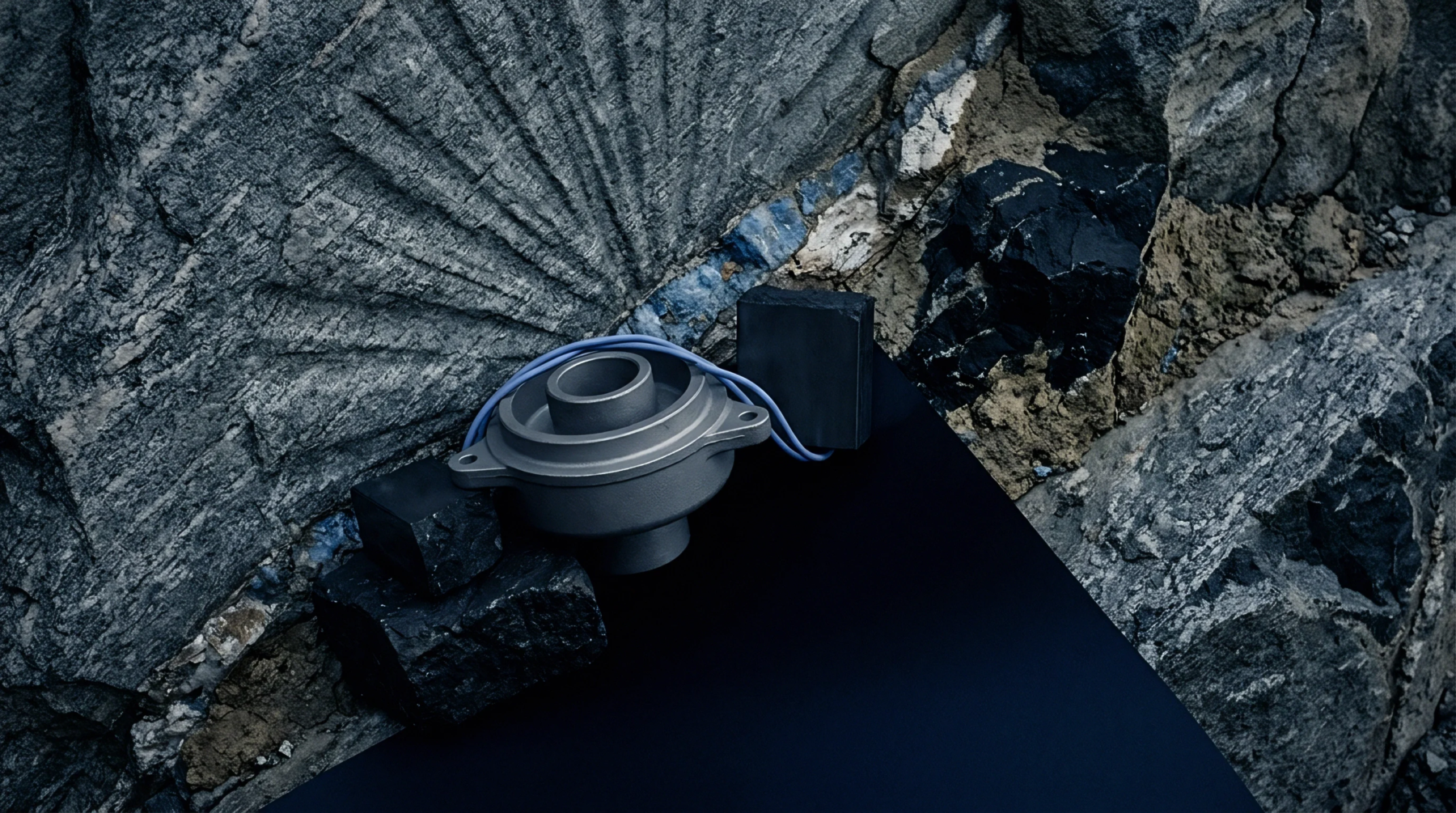
Closed pores dictate low-voltage plateau capacity in hard carbon; verify skeletal density via pycnometry and scattering to stop plating defects.
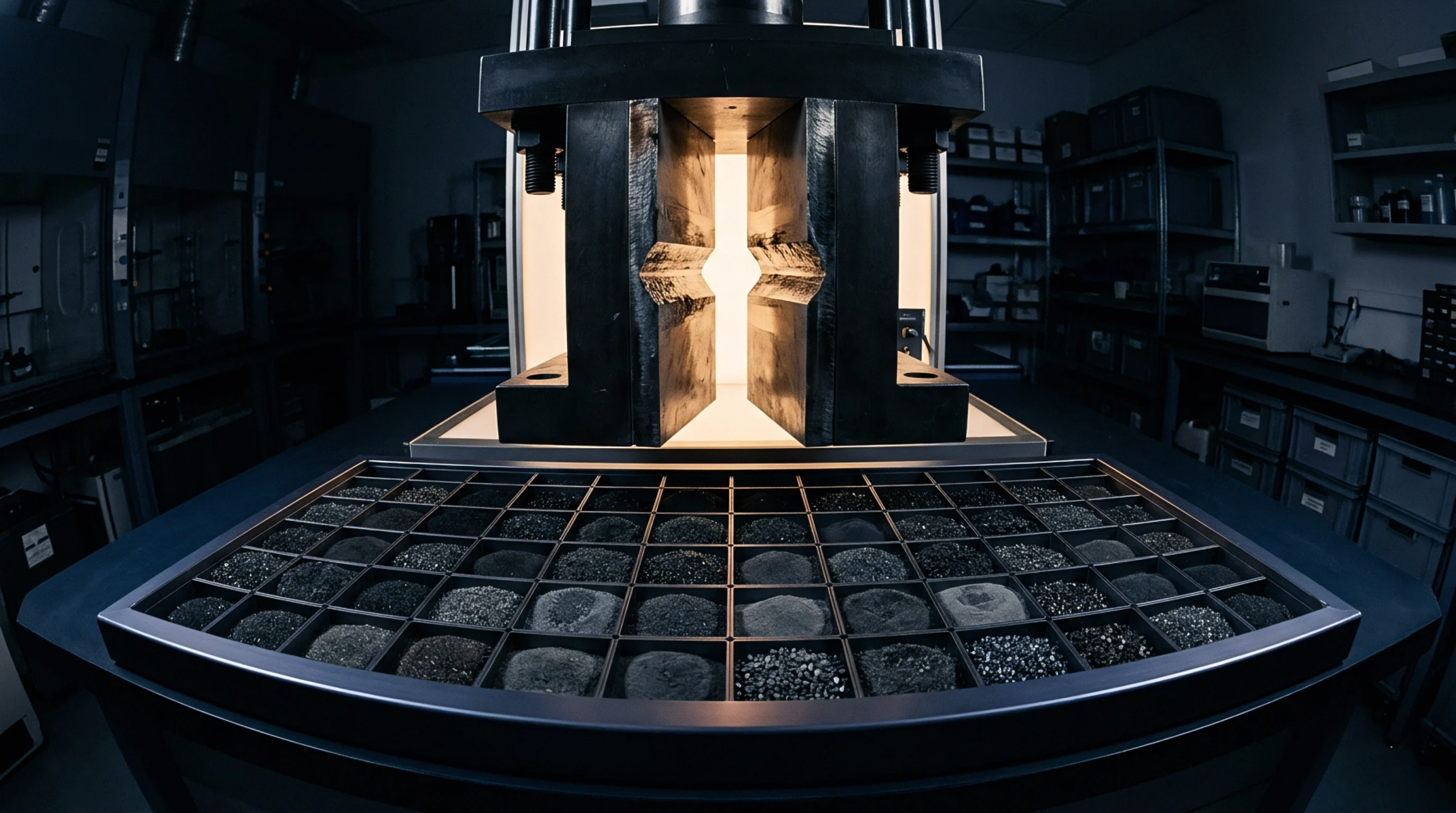
Sodium storage inside closed sub-nanometer carbon pores proceeds via quasi-metallic cluster nucleation stabilized positive of zero volts by Gibbs-Thomson spatial confinement.
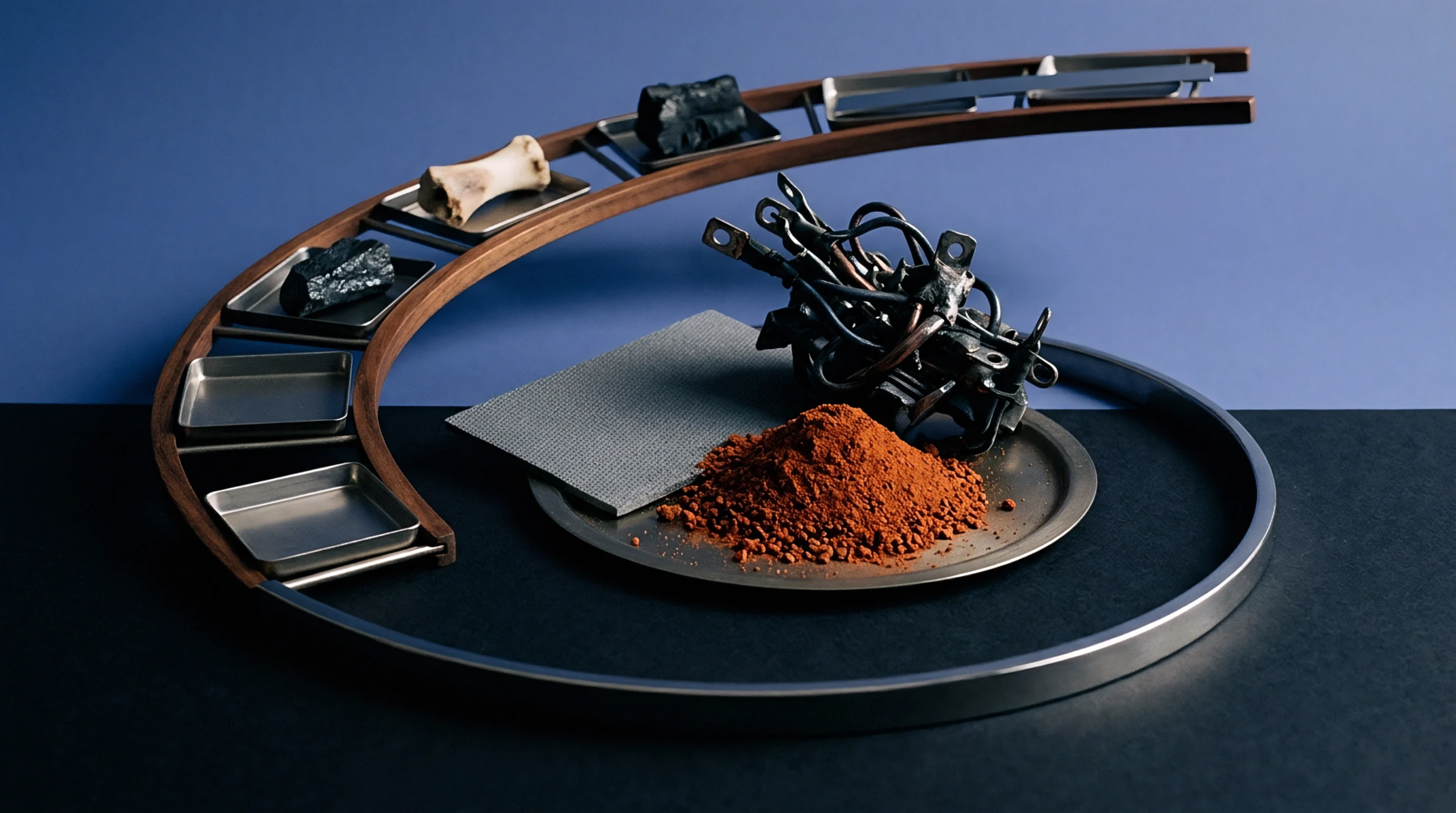
Thermal treatment above 1400 degrees Celsius collapses hard carbon closed pores, shrinking plateau capacity below 100 mAh/g and reducing sodium storage efficiency.
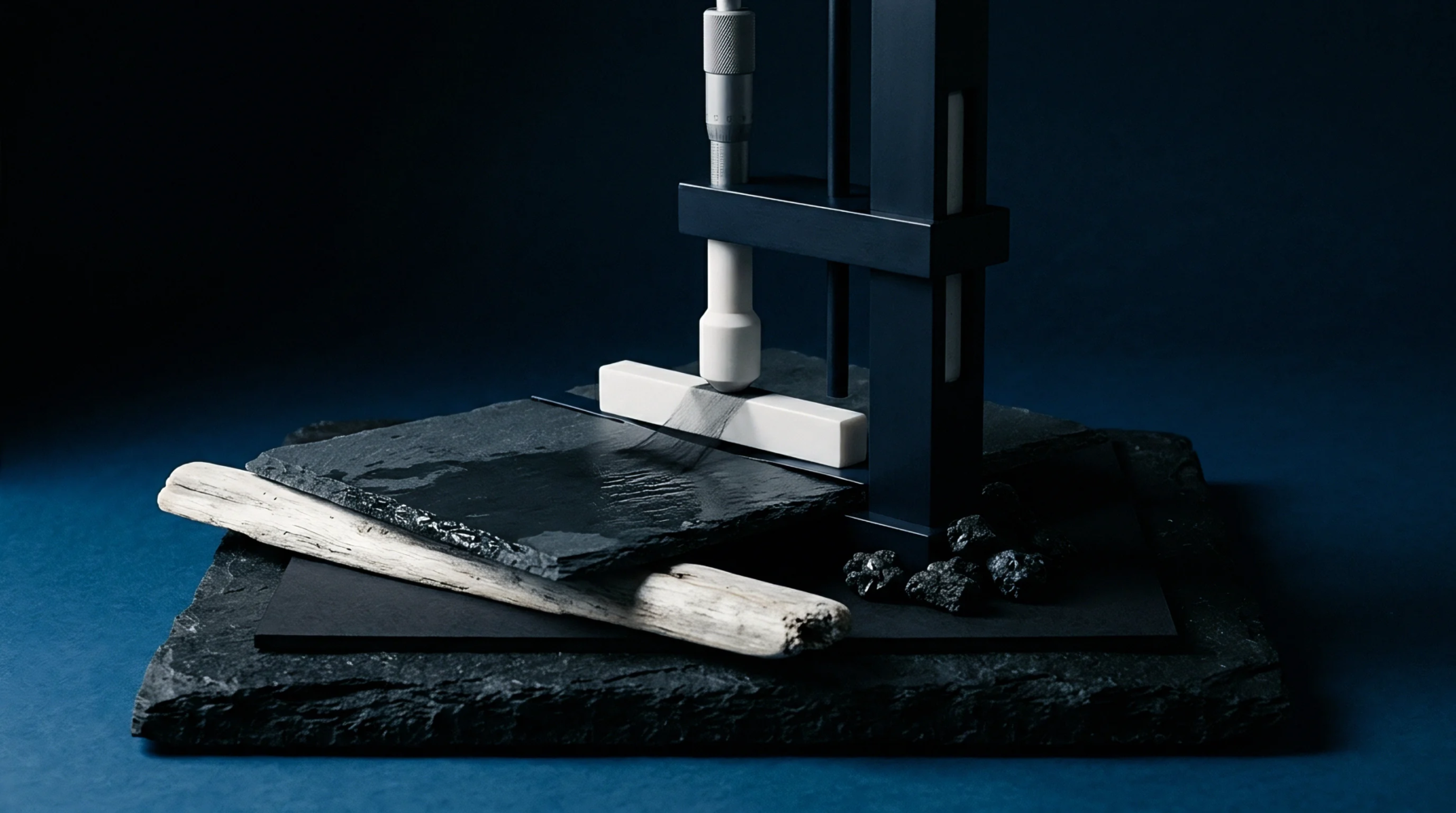
Acid deashing and controlled oxygen removal during thermochemical dehydration reduce ash below 300 ppm to enable hard carbon initial coulombic efficiency above 85 percent.

Precursor selection for sodium ion hard carbon anodes dictates closed pore volume, surface area, initial coulombic efficiency, and landed material cost.
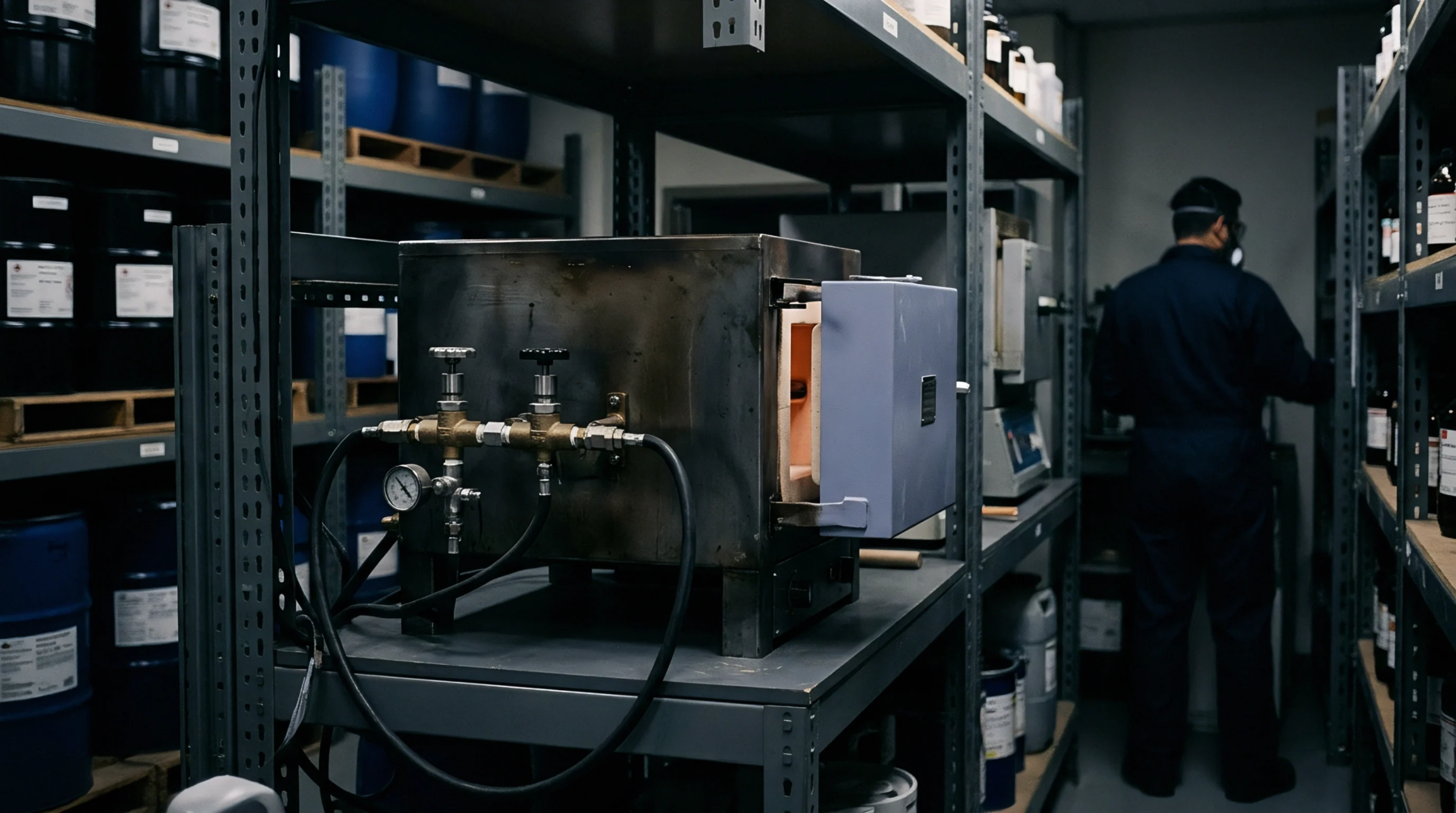
Thermal processing of hard carbon precursors regulates d002 interlayer spacing and closed microporosity to optimize sodium storage capacity and coulombic efficiency.
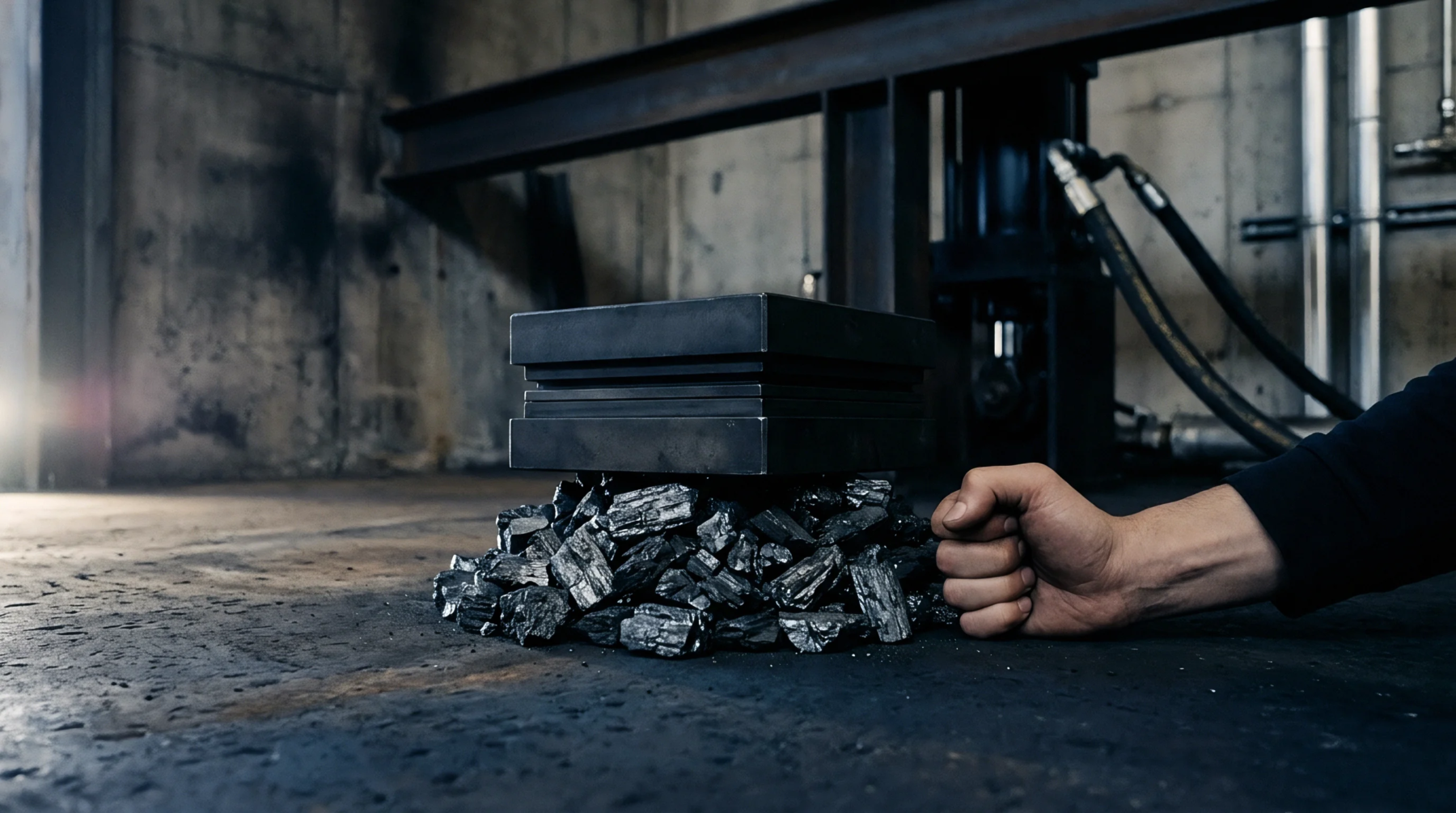
Hard carbon performance depends on precursor crosslinking and thermal calcination profiles that balance interlayer spacing, closed porosity, and surface area.

Bio-precursor pyrolysis creates hard carbon anodes whose closed void volume and interlayer spacing govern sodium capacity, initial efficiency, and cell cycle life.
Expertise is a utility, not a secret. sentiention™ publishes its working knowledge as open reference: intelligence layer covering the materials it sources, the markets it enters, and the reference that serves both.