Meaning
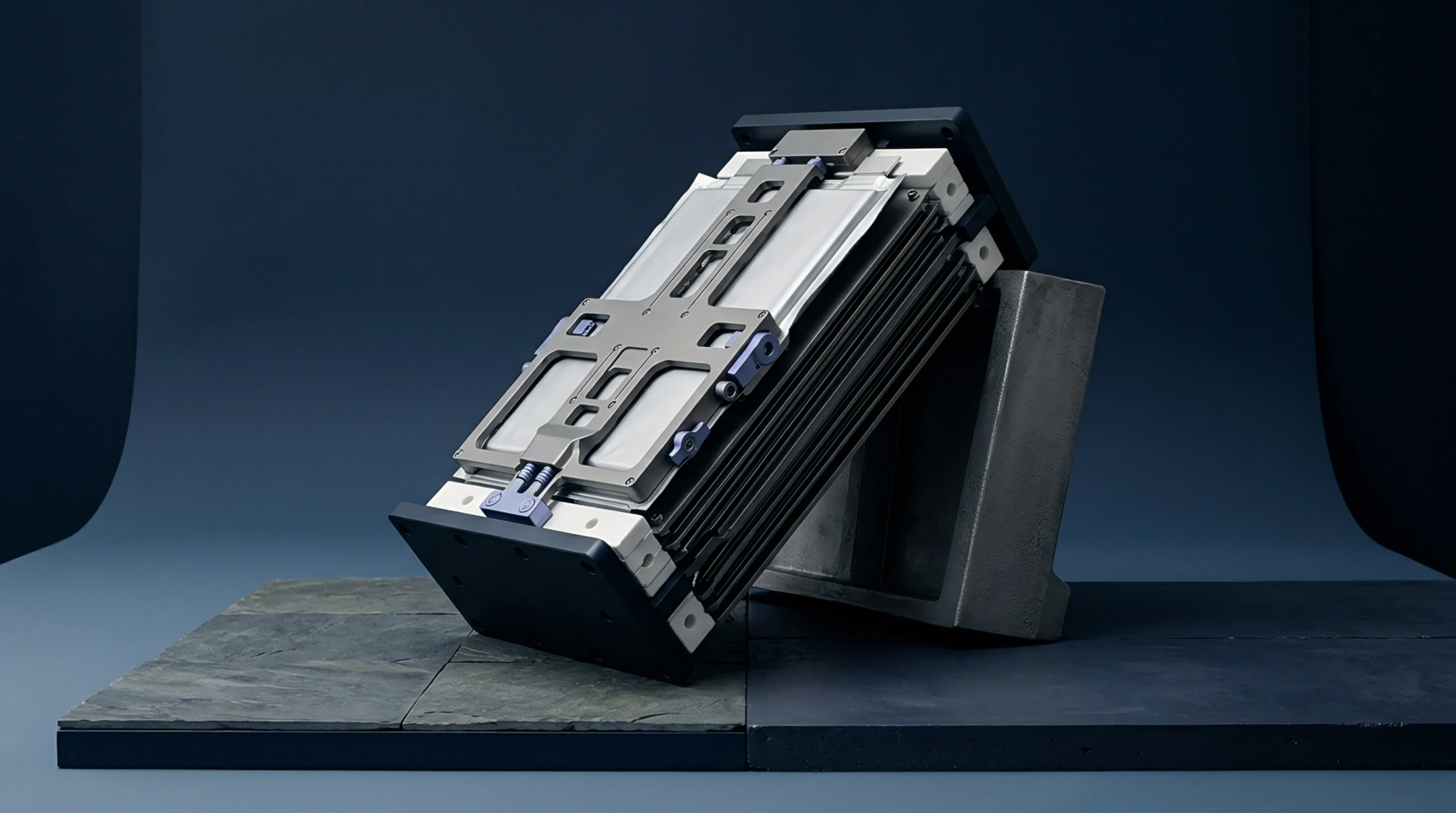
Laboratory equipment applies a uniform and unvarying mechanical force to the surface of a battery cell during testing or operation. A constant pressure fixture ensures that the internal layers of a pouch or prismatic cell remain in close contact to minimize impedance and prevent physical deformation. This tool is particularly important for solid state batteries where consistent interface contact is necessary for ion transport.
Swelling Control
Volumetric changes occur in many chemistries as they transition between different states of charge. The constant pressure fixture manages this expansion by using springs or pneumatic actuators to maintain a steady load on the cell face. Without this external support, the repeating expansion and contraction would cause the active materials to delaminate from the current collectors.
The fixture prevents the formation of voids and helps maintain a uniform current density across the entire electrode surface, which reduces the likelihood of lithium plating.
Test Standardization
Reliable data collection requires that cells be tested under conditions that mimic their final installation. Using a constant pressure fixture allows researchers to eliminate mechanical variables that might otherwise skew the results of a cycle life study. This consistency ensures that the measured performance is a result of the chemistry and not the housing.
Assembly Integration
Industrial designs often incorporate the principles of these fixtures into the final battery pack. Structural components mimic the function of a constant pressure fixture by applying a calibrated pre load to the cell stack during the manufacturing process. This integration maintains the health of the cells over years of vibration and thermal cycling in a vehicle.