Meaning
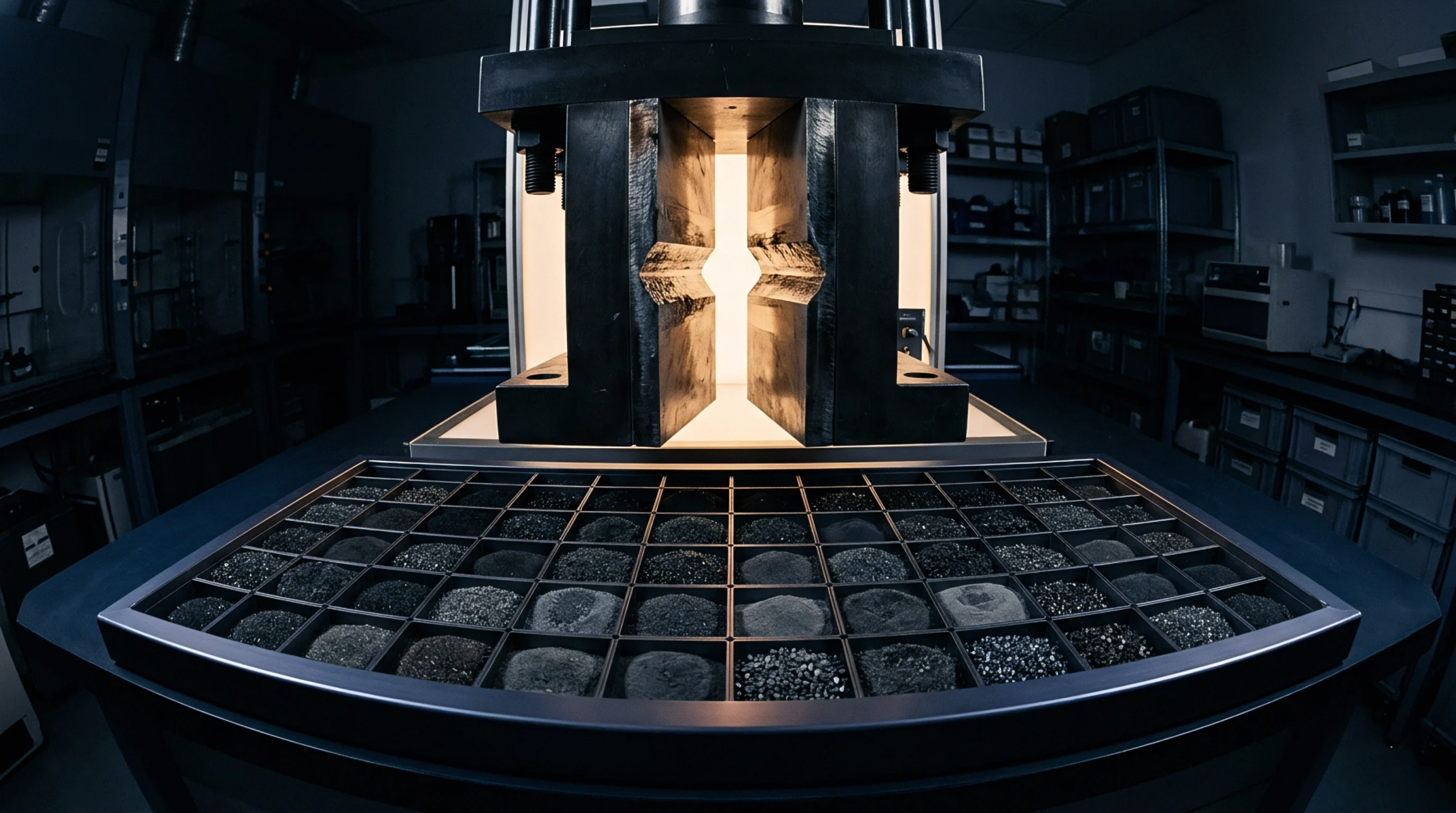
High-vanadium tool steel represents a powder metallurgy alloy designed for extreme wear resistance and compressive strength in demanding cold-work applications. This material specification governs the design of high-wear tooling like pulverizing equipment, industrial knives, and extrusion dies, with its application limited to tooling shapes that do not require high impact toughness. The use of cpm-10v steel is justified when standard tool steels fail prematurely due to severe adhesive or abrasive wear.
It establishes a high standard of performance by incorporating a large volume of hard vanadium carbides.
Alloy Microstructure
Producing this alloy through powder metallurgy ensures a uniform distribution of fine vanadium carbides throughout the steel matrix. This method avoids the carbide segregation that occurs in conventional casting, which would make the material brittle. The microstructure contains approximately ten percent vanadium, which reacts with carbon to form exceptionally hard carbides.
These carbides are harder than those found in standard tool steels, providing superior wear protection. This fine and even structure also improves the toughness and machinability of the alloy compared to cast alternatives.
Thermal Processing
Heat treatment of this material involves high-temperature austenitizing followed by a fast quench and multiple tempering cycles to achieve maximum hardness. The high vanadium content requires precise temperature control to ensure proper carbide dissolution without causing grain growth. Tempering must be performed at temperatures that optimize both hardness and wear resistance.
Sourcing high-quality heat treatment services is essential to realize the full performance potential of this alloy. The resulting tool exhibits excellent dimensional stability during the hardening process.
Industrial Tooling
Sourcing tooling made from this alloy significantly extends the operating life of components subjected to high-wear environments. It reduces downtime in manufacturing plants by reducing the frequency of tool replacement and sharpening. The high cost of the material and the difficulty of machining are offset by the dramatic increase in productivity.
It is commonly specified for high-volume stamping dies and industrial processing equipment where tool wear is the primary limit on production capacity.