Meaning
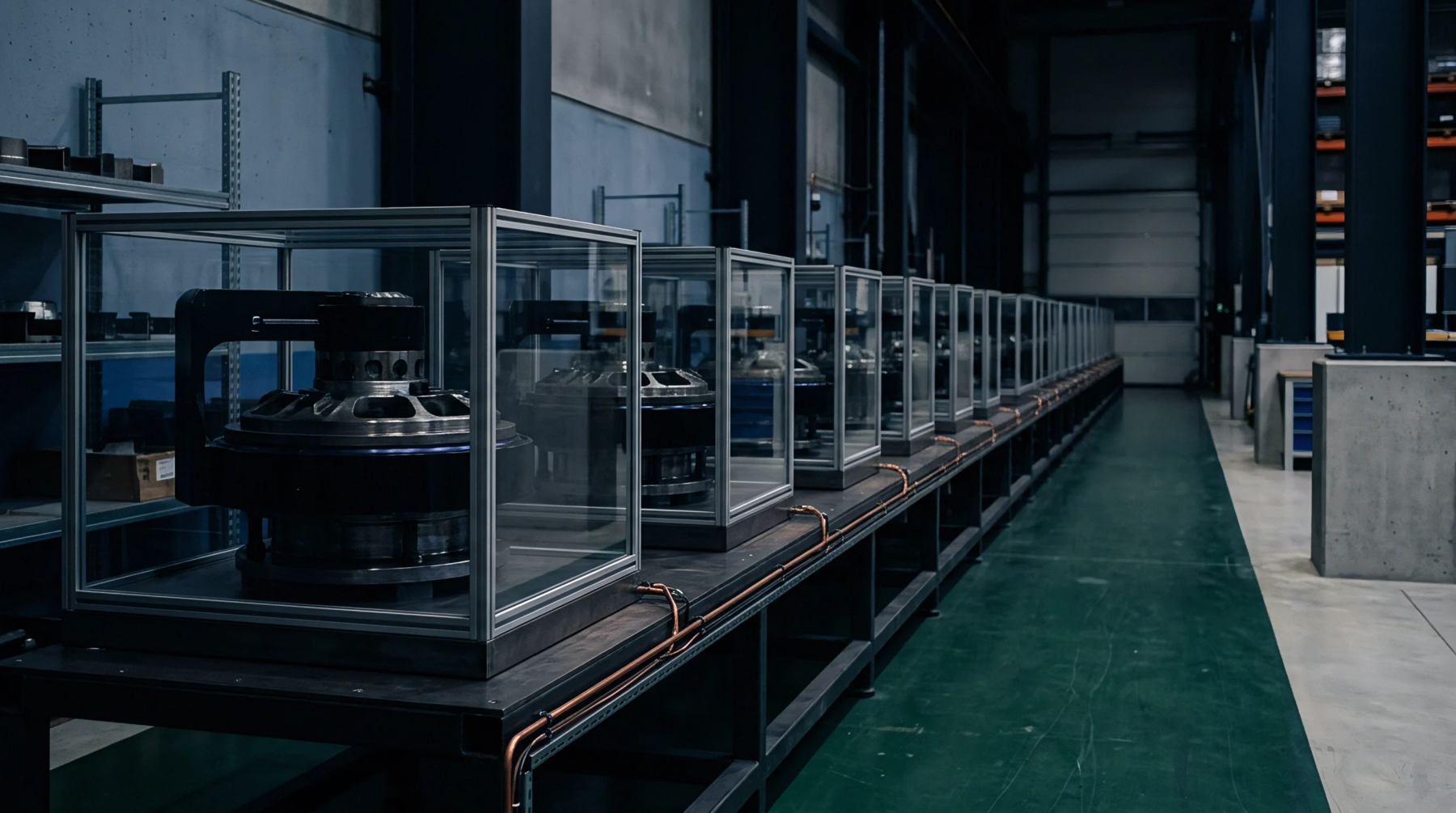
Material fatigue analysis occurs during the constant strain conditions that battery seals and gaskets experience over years of service. Pressure applied to a polymer component gradually dissipates as the internal molecular structure of the material rearranges. This creep stress relaxation reduces the effective sealing force even if the physical dimensions of the part appear unchanged.
Polymer Behavior
High temperature storage accelerates the loss of elastic memory in ethylene propylene diene monomer components, which governs the Polymer Behavior of creep stress relaxation. The glass transition temperature of the elastomer determines how quickly the internal force drops under a fixed displacement. Engineers use the Arrehenius equation to predict how many years a seal will maintain its waterproof rating in the field.
Environmental Protection
The Environmental Protection of creep stress relaxation is the defining factor for the long term reliability of a battery pack enclosure. Leakage or moisture ingress occurs when the compressive load falls below the required threshold for the gasket interface. Testing involves long duration thermal soaking to simulate a decade of exposure to varying ambient conditions.
Gasket Performance
Accounting for the Gasket Performance of creep stress relaxation dictates the service life of prismatic cell vent assemblies. Failure to account for this force loss results in premature venting or electrolyte evaporation. Durable designs include metal inserts to limit the total displacement of the soft sealing material and maintain contact pressure.