Meaning
Repeated charge and discharge procedures establish operational endurance by driving energy storage units through accelerated degradation protocols until specific capacity thresholds are reached. Such mechanical and chemical routines quantify expected operational longevity under defined thermal and electrical boundaries. Procurement teams rely on these empirical degradation profiles to negotiate warranty parameters and verify supplier performance claims before signing volume purchase agreements.
Test Protocol
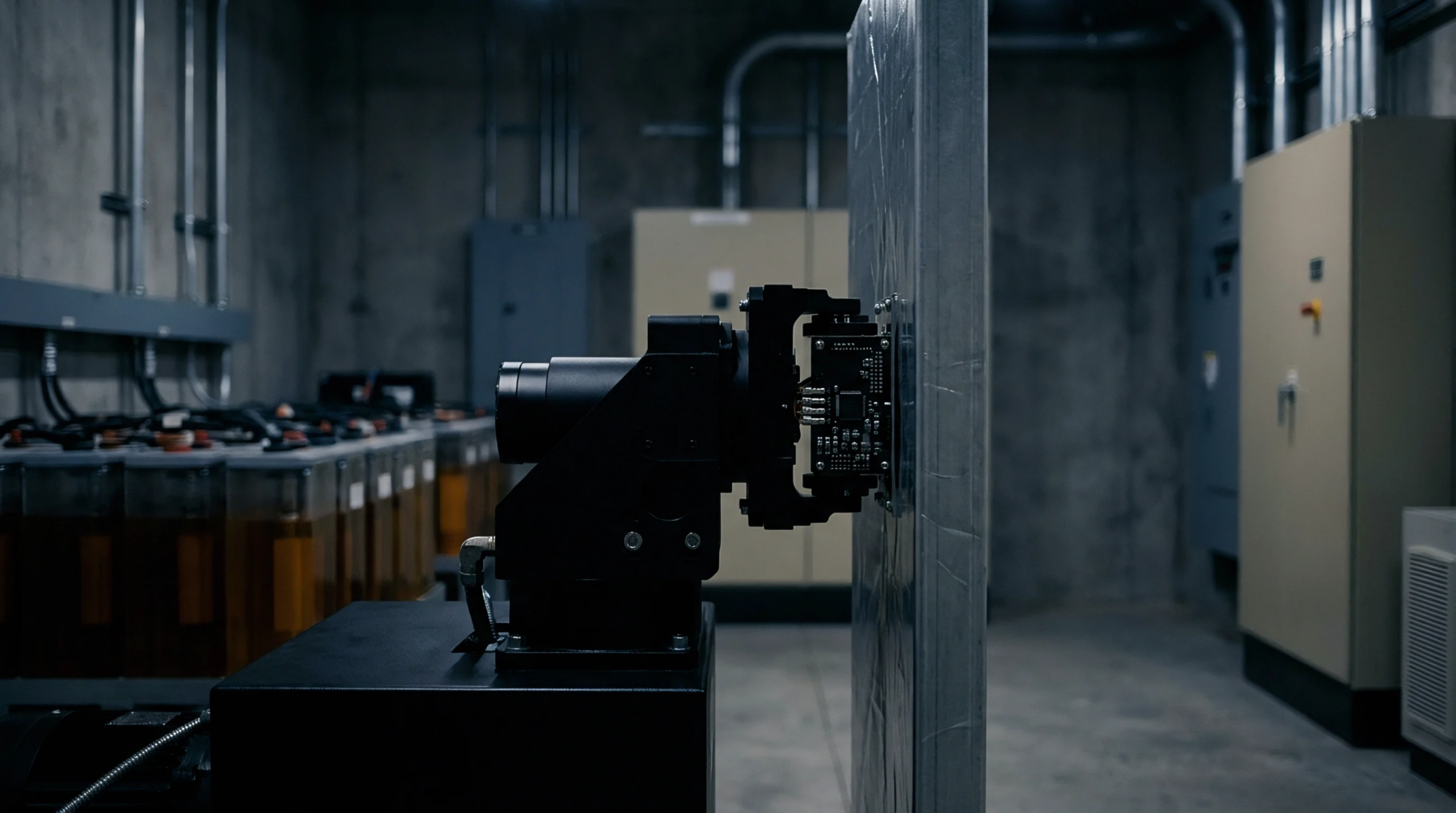
Controlled environmental chambers maintain specific ambient temperatures while programmable electronic loads apply constant current or constant power profiles. Voltage cut off limits trigger transitions between charging phases and discharging phases to mimic real world usage without introducing unverified variables. Technicians record capacity retention and internal resistance growth at regular intervals throughout the schedule.
Degradation Mechanism
Intercalation stress and continuous solid electrolyte interphase layer growth consume active lithium ions over repeated operational passes. Elevated operating temperatures accelerate parasitic chemical reactions that lead to rapid impedance increases and structural fracture within active material particles. These cumulative physical alterations reduce total energy storage capacity long before electrical short circuits occur inside the assembly.
Commercial Impact
Verified degradation data directly dictates whether a battery pack qualifies for commercial deployment or suffers contractual rejection at the factory dock. Buyers translate test results into levelized cost of storage calculations by dividing total delivered energy over the anticipated operational lifespan. Manufacturers absorb financial penalties whenever actual durability metrics fall short of agreed thresholds during factory validation audits.