Meaning
Structural micro-fractures occurring within vitreous hermetic seal interfaces compromise the electrical isolation and atmospheric sealing of sealed battery casings. Glass to metal feedthrough cracks develop when thermal expansion mismatches, mechanical shock, vibration or assembly stresses fracture the glass insulator surrounding terminal pins. Premium lithium primary and secondary cells rely on sound feedthroughs to maintain long-term hermetic integrity in demanding industrial and medical environments.
Failure Mechanism
Differential thermal expansion between the metallic pin, outer ferrule, insulator body and glass preform creates intense internal shear stresses during high-temperature glass firing or subsequent welding operations. Bending moments applied to terminal pins during module assembly easily exceed the tensile strength of the glass matrix. Developing glass to metal feedthrough cracks creates microscopic pathways that allow ambient moisture ingress and organic electrolyte solvent egress.
Seal Degradation
Electrolyte leakage causes external terminal corrosion and rapid capacity loss. Forming glass to metal feedthrough cracks lets atmospheric moisture enter the cell to react with lithium salts, forming corrosive hydrofluoric acid and generating gas. These chemical reactions increase internal resistance, accelerate self-discharge and lead to premature cell failure.
Screening Method
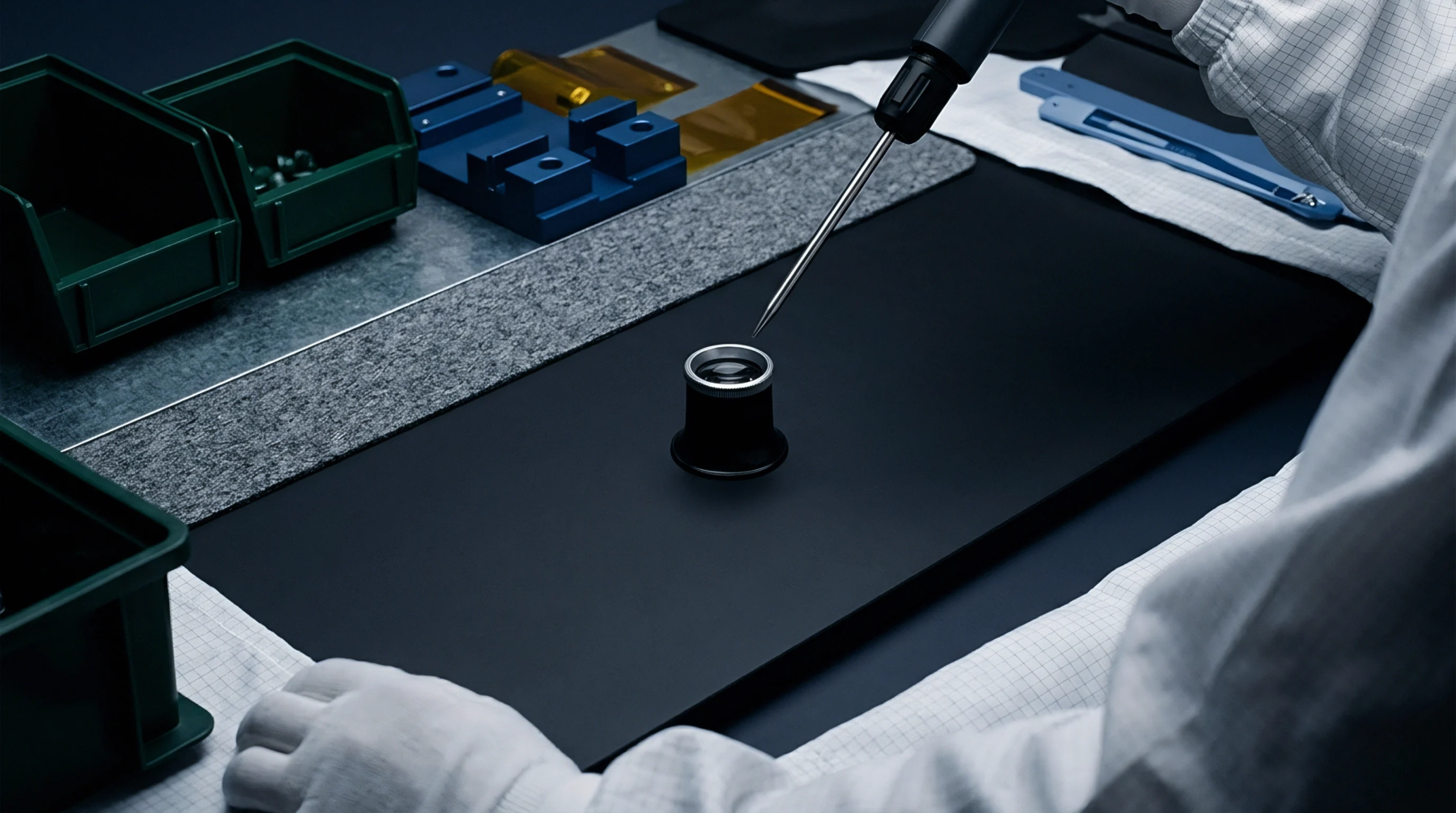
Manufacturing quality assurance employs helium mass spectrometry leak testing alongside insulation resistance measurements to detect microscopic feedthrough breaches before cell filling. Identifying glass to metal feedthrough cracks relies on optical microscopy and X-ray computed tomography to inspect the glass seal geometry for subsurface fractures. Eliminating defective seals prevents field degradation in high-reliability applications such as aerospace energy storage and implantable medical devices.