Quantitative Correlation of Helium Micro Leak Rates to Ingress Kinetics in High Nickel Chemistries
Helium micro leak rates above 1.0e-6 mbar L/s drive water ingress that hydro-analyzes LiPF6 into hydrofluoric acid, degrading high nickel cathodes within months.
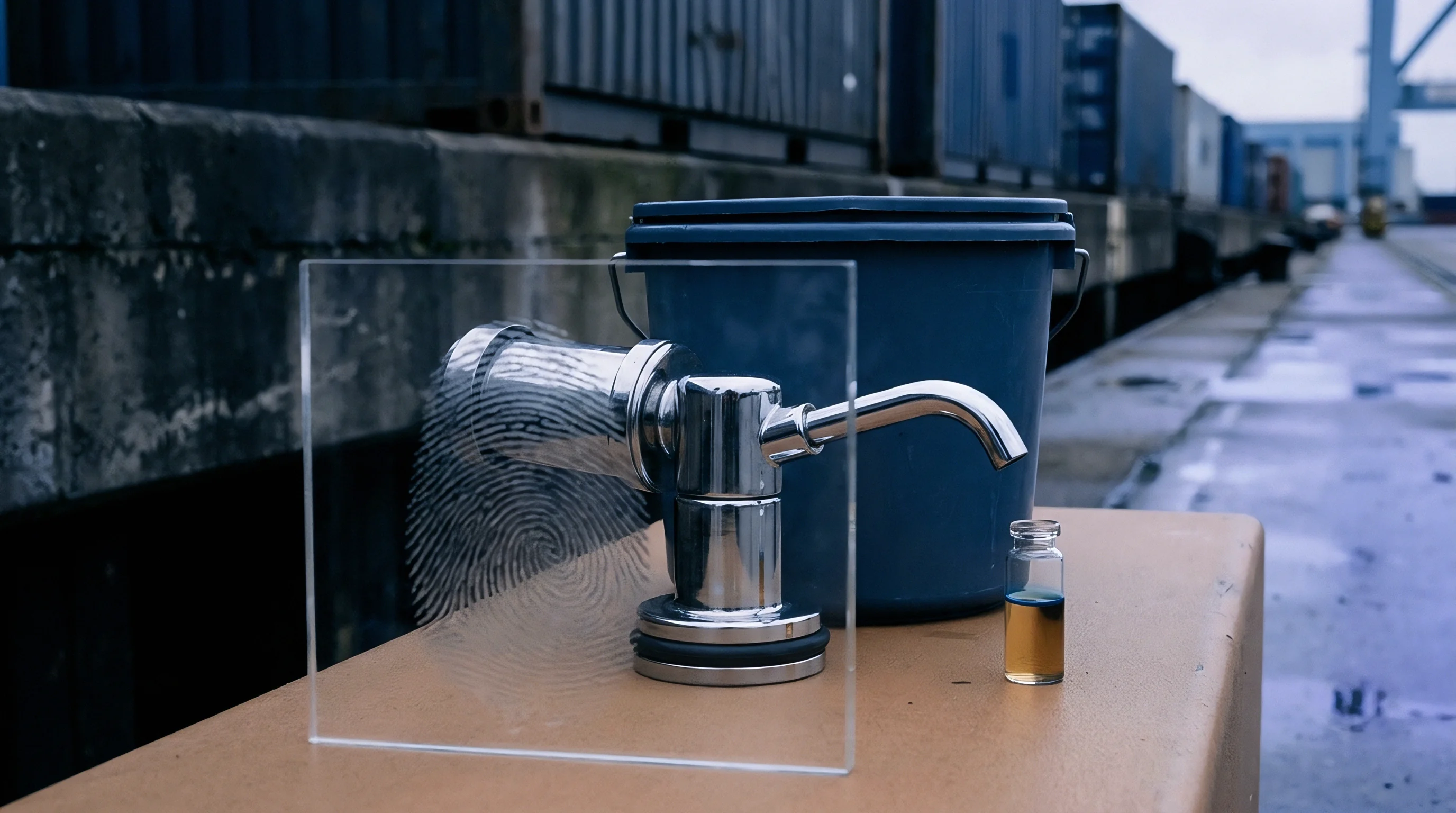

Aperture
Trace leakage rates through sub-micron seal defects in lithium-ion enclosures are governed by gas physics. Fluid movement through microscopic containment breaches operates across distinct physical flow regimes that depend on defect geometry, total system pressure, and the mean free path of the gas species. In cell manufacturing, validating hermetic integrity requires converting tracer gas leak rates measured under vacuum into real-world ambient atmospheric ingress rates for moisture and oxygen.

Transport Regimes and Capillary Fluid Dynamics
The molecular mean free path determines whether trace gas transport inside a narrow breach pathway follows continuum flow or Knudsen diffusion. This behavior is captured by the Knudsen number ~ the ratio of the gas mean free path to the characteristic channel diameter. At twenty-five degrees Celsius and one atmosphere of absolute pressure, helium has a mean free path of one hundred ninety-two nanometers, compared to sixty-seven nanometers for oxygen and nitrogen, and forty nanometers for water vapor.
For containment defects larger than ten micrometers in diameter, the Knudsen number stays below zero point zero one, and continuum flow takes over. Under these conditions, viscous laminar flow described by the Poiseuille equation dominates, with total gas flux scaling with the fourth power of the channel radius and the inverse of fluid viscosity. When breach dimensions drop below one hundred nanometers, the Knudsen number rises above ten, shifting transport into the molecular effusion regime governed by Graham’s law.
In this domain, molecules collide far more frequently with the capillary channel walls than with each other, making effusion rates inversely proportional to the square root of molecular mass.
Between these two extremes lies the Knudsen transition regime, where both viscous collisions and wall effusion contribute to net gas movement. Quantifying helium micro-leak rates therefore requires identifying the exact Knudsen regime inside the micro-fissure to calculate accurate conversion factors for atmospheric water vapor and oxygen entering the cell.
- Microscopic laser weld fissures open along thermal stress lines in aluminum battery caps during automated pack handling.
- Polymeric heat-seal micro-voids form where tab insulation film transitions to pouch foil laminates during crimping.
- Glass-to-metal feedthrough pinholes develop from mismatched thermal expansion coefficients between borosilicate insulation and nickel-plated copper terminals.
- Gasket compression relaxation channels emerge along elastomer grommets subjected to long-term mechanical vibration and thermal cycling.

Partial Pressure Conversion to Ambient Ingress Kinetics
Testing under pure helium at one bar differential pressure creates a driving gradient far larger than ambient atmospheric partial pressures. Under standard conditions of twenty-five degrees Celsius and sixty percent relative humidity, water vapor exerts a partial pressure of nineteen millibar, while ambient oxygen accounts for two hundred nine point five millibar. Converting a measured helium vacuum leak rate to an equivalent ambient water vapor ingress rate requires adjusting for these driving partial pressure ratios alongside molecular kinetic factors.
Under pure molecular effusion, the equivalent water vapor leak rate equals the measured helium leak rate multiplied by the ratio of ambient water vapor partial pressure to helium test differential pressure, divided by the square root of the molar mass ratio between water vapor and helium (which equals two point one two; for oxygen, this square root ratio is two point eight three). A pouch cell with a measured vacuum helium leak rate of one times ten to the minus six millibar-liters per second under a one bar test pressure will admit zero point two zero five milligrams of atmospheric water vapor per year under standard ambient storage conditions.
Capillary diameter variations affect viscous gas flow with a fourth-power dependence while molecular effusion scales strictly with the cube of defect width.
When defect diameters expand into the Knudsen transition regime, the viscous contribution increases the proportion of water ingress relative to helium effusion because water vapor has a lower dynamic viscosity than helium ~ ten point one micro-Pascal-seconds compared to nineteen point eight micro-Pascal-seconds at ambient temperatures. Consequently, capillary pathways near two micrometers in diameter pass moisture faster than pure effusion calculations predict.
| Measured Helium Leak Rate (mbar·L/s) | Typical Capillary Diameter (µm) | Primary Flow Regime | Equivalent H2O Ingress (mg/year) | Equivalent O2 Ingress (mg/year) |
|---|---|---|---|---|
| 1.0 × 10⁻³ | 12.5 | Viscous Poiseuille | 148.20000 | 1850.0000 |
| 1.0 × 10⁻⁵ | 1.8 | Knudsen Transition | 1.82000 | 22.4000 |
| 1.0 × 10⁻⁷ | 0.18 | Molecular Effusion | 0.02050 | 0.2520 |
| 1.0 × 10⁻⁹ | 0.02 | Molecular Effusion | 0.00021 | 0.0025 |
Cell fabricators frequently attribute elevated tracer readings to helium absorption in seal polymers rather than structural containment wall failures.
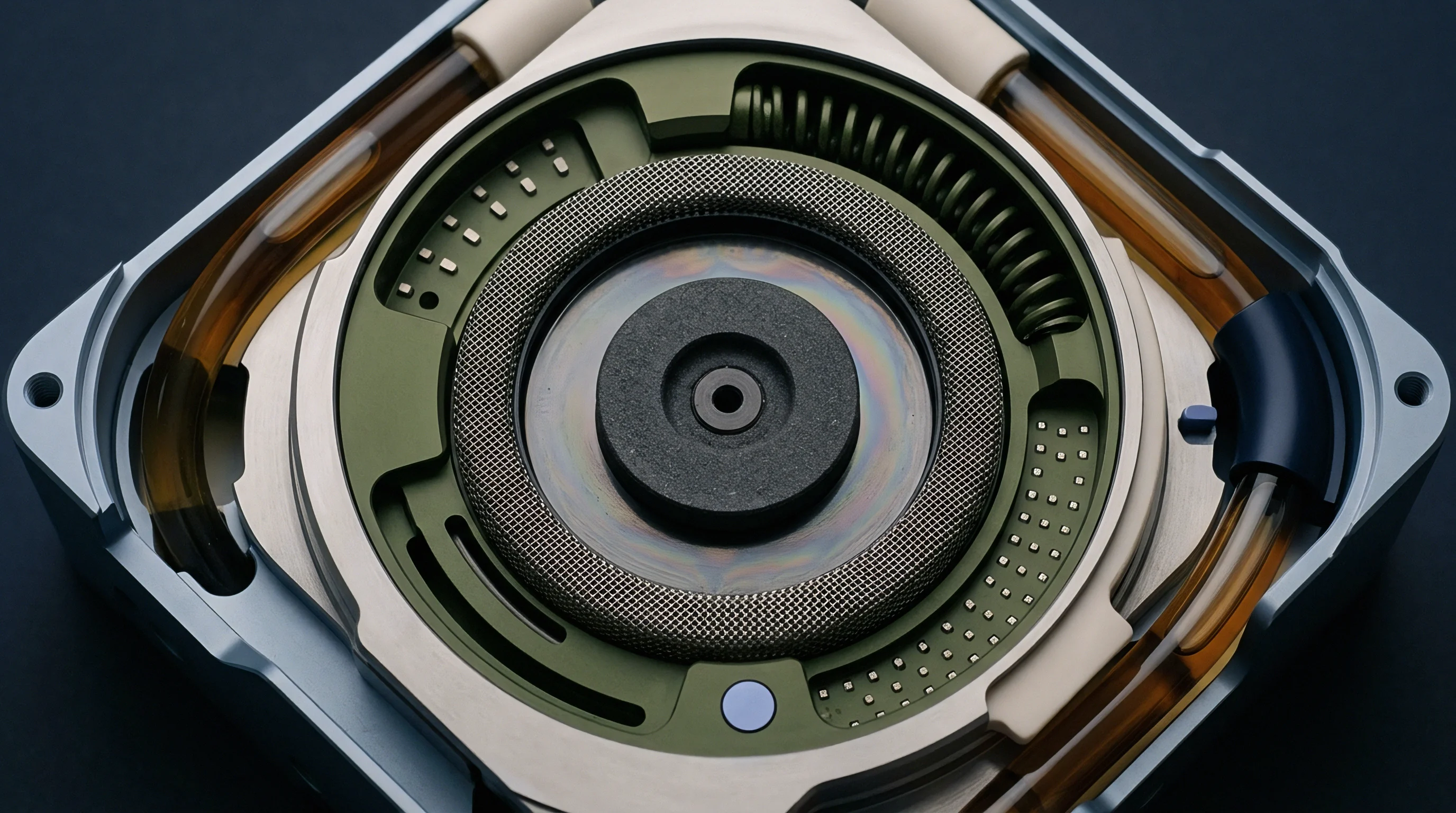
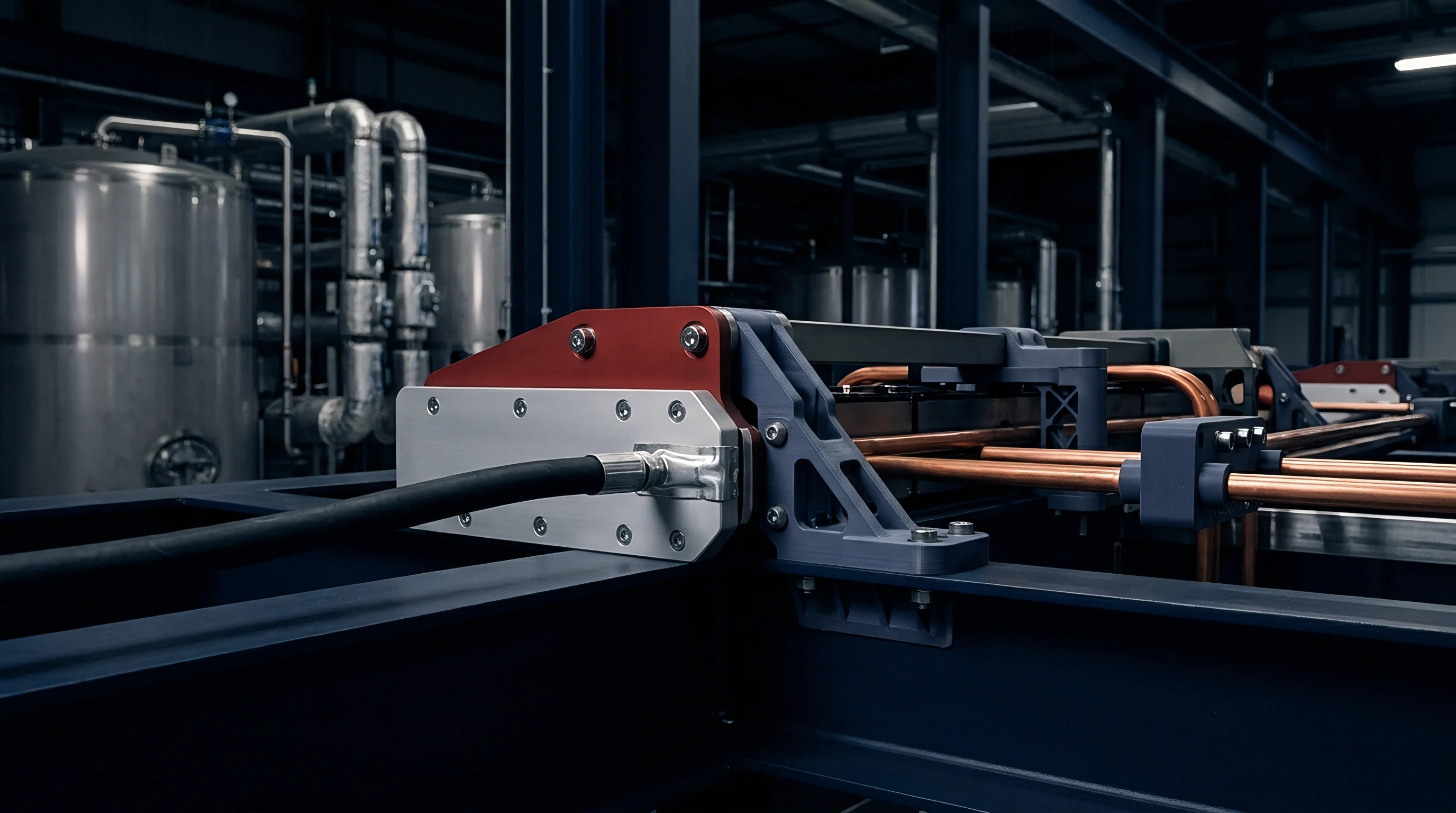
Moisture
Water and oxygen intrusion triggers aggressive chemical degradation across active cathode particle surfaces in high-nickel formulations. Cathodes with nickel molar fractions at or above eighty percent, such as NMC811 and NCMA, are extremely sensitive to trace moisture. Intruding water reacts immediately with lithium salts and active cathode materials, initiating a cascade of parasitic reactions that degrade capacity, raise internal impedance, and generate hazardous gas pressures.

Degradation Chemistry of High Nickel Cathodes
Layer-structured cathodes with nickel fractions at or above eighty percent display high chemical reactivity toward nucleophilic species. Highly oxidized nickel ions on charged cathode surfaces react spontaneously with water molecules entering the electrolyte, though the reaction between intruding moisture and the primary electrolyte salt, lithium hexafluorophosphate, represents the most destructive degradation pathway.
Lithium hexafluorophosphate decomposes hydrolytically in the presence of trace water to produce hydrofluoric acid and phosphoryl fluoride. Hydrofluoric acid strips active lithium from the cathode surface, converting lithium oxide into resistive lithium fluoride domains while leaching divalent nickel, manganese, and cobalt cations from the crystal lattice. These dissolved transition metal ions migrate through the porous separator to the graphite or silicon-graphite negative electrode, where they reduce electrochemically and breakdown the solid electrolyte interphase layer, driving continuous consumption of cyclable lithium.
- Water vapor diffuses through enclosure defect pathways and dissolves into the non-aqueous organic carbonate liquid electrolyte solution.
- Dissolved water reacts hydrolytically with lithium hexafluorophosphate salt to generate hydrofluoric acid gas and phosphoryl fluoride intermediate compounds.
- Hydrofluoric acid attacks the tertiary layer structure of active nickel-rich cathode particles, extracting lithium oxide and creating resistive lithium fluoride domains.
- Transition metal cations dissolve into the acidic electrolyte medium and migrate across the porous separator membrane toward the negative electrode.
- Deposited transition metals on the anode surface destabilize the solid electrolyte interphase layer, inducing continuous parasitic consumption of active cyclable lithium ions.
Oxygen ingress acts alongside moisture to accelerate electrolyte oxidation, reacting directly with organic carbonate solvents to generate carbon dioxide and carbon monoxide while forming resistive carbonate species on cathode secondary particles. Pouch cell swelling from this gas evolution alters stack pressure, inducing uneven current density distribution and localized lithium plating during high-rate charging.
A moisture intake of one milligram inside a sixty ampere-hour pouch cell elevates hydrofluoric acid concentrations above fifty parts per million within ninety days of storage.
A cumulative moisture ingress of only one milligram inside a sixty ampere-hour high-nickel pouch cell containing one hundred twenty grams of liquid electrolyte raises hydrofluoric acid concentrations beyond fifty parts per million. Above this threshold, rapid transition metal dissolution causes measurable impedance growth within three months of ambient storage.
Underestimating water ingress rates leads directly to unexpected capacity decay, rapid impedance growth, and premature pack failure liabilities.
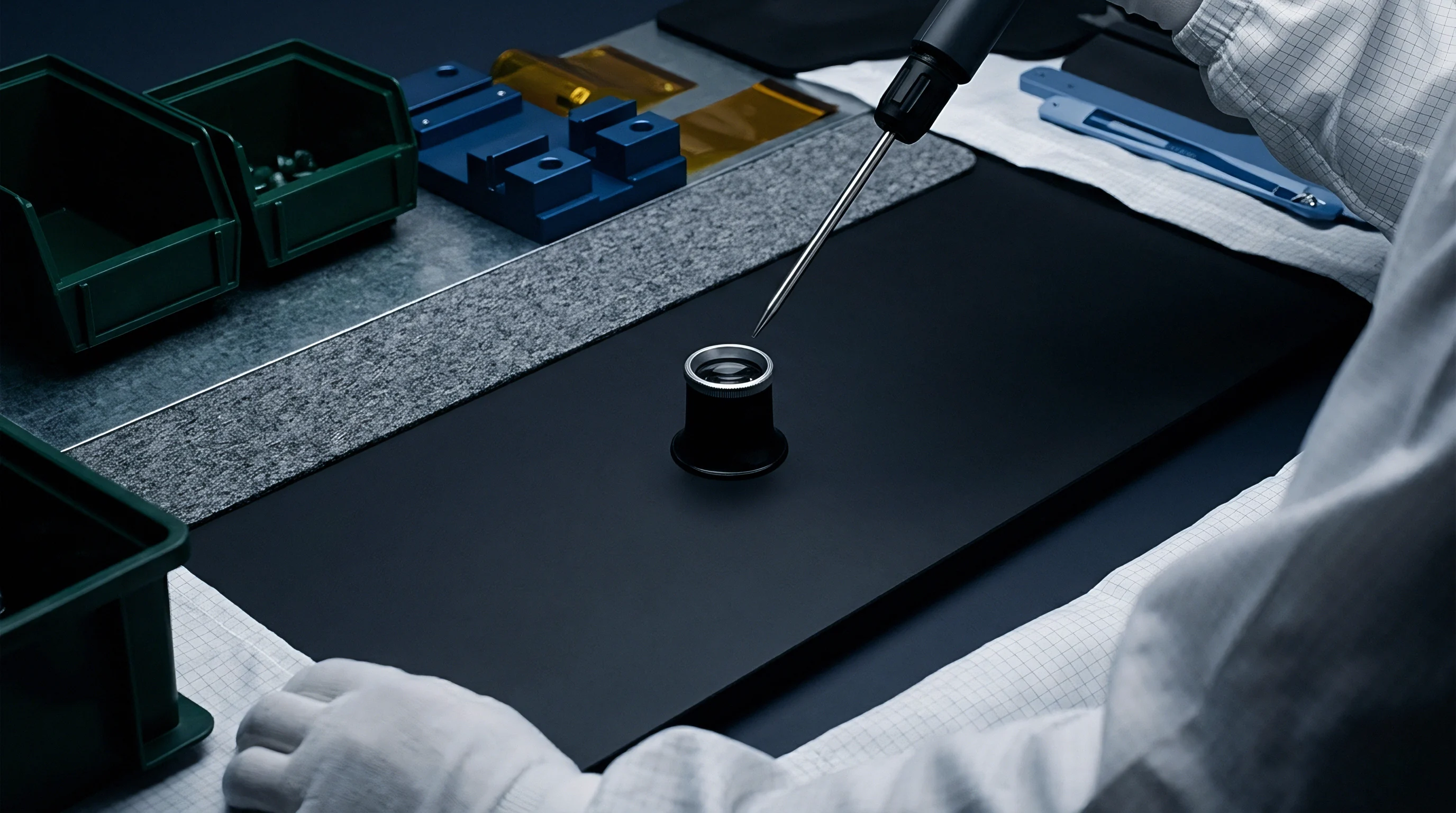

Chamber
Testing sealed lithium battery packages inside hard vacuum enclosures provides precise leak quantification down to sub-nanometer defect dimensions. Hard vacuum helium mass spectrometry serves as the benchmark measurement technique for determining physical leak rates and distinguishing true containment breaches from superficial surface contamination.

Vacuum Mass Spectrometry and Bombing Methodology
Quantitative leak determination relies on tuned magnetic sector mass spectrometers calibrated against certified, temperature-compensated tracer sources. For fully sealed cells lacking fill ports, helium bombing provides the required internal tracer concentration before testing. Cells are placed inside a pressure vessel filled with pure helium at four to six bar gauge pressure for dwell times ranging from two to twenty-four hours.
During the pressurized bombing cycle, helium enters internal cell free volumes through any existing capillary breaches. After pressure release, the cell transfers to a vacuum chamber where pumps evacuate ambient air to below ten to the minus four millibar, allowing the mass spectrometer to measure helium outgassing over time. Separating actual leak signals from helium desorbing off polymer films or rubber gaskets requires evaluating time-dependent signal decay curves: real capillary breaches produce stable, persistent helium plateaus, whereas polymer surface desorption decays along a characteristic square-root time curve.
- Background tracer stabilization achieves steady-state baseline signals below one tenth of the targeted pass threshold before initiating vacuum extraction cycles.
- Bombing soak duration verification confirms internal helium partial pressure reaches minimum detectable equilibrium levels across variable cell free-volume geometries.
- Calibrated reference leak validation demands daily multi-point span verification using temperature-compensated external helium leak standards.
- Polymeric signal decoupling isolates rapid structural fissure gas discharge from delayed bulk material helium permeation tailing.
Standardized testing framework ISO 20485 provides explicit formulas to convert measured bombing outgassing rates into absolute internal leak dimensions. Calculating the true equivalent leak rate requires accounting for internal free volume, bombing pressure, soak duration, and transfer dwell time in ambient air prior to chamber evacuation.
Compliance with IEC 60068-2-17 test method QC demands continuous background helium subtraction to prevent batch rejection driven by polymer seal surface adsorption.
| Inspection Method | Minimum Detectable Leak Rate (mbar·L/s) | Typical Test Cycle Time | Cell Format Applicability | False-Positive Risk Factors |
|---|---|---|---|---|
| Hard Vacuum Mass Spectrometry | 1.0 × 10⁻¹⁰ | 15–45 seconds | Pouch, Cylindrical, Prismatic | Polymer helium background outgassing |
| Helium Sniffer Probe Testing | 1.0 × 10⁻⁶ | 10–30 seconds | Pack assemblies, weld seams | Drafts and ambient helium accumulation |
| Pressure Decay Differential | 1.0 × 10⁻⁴ | 30–120 seconds | Rigid prismatic housings | Temperature instability and volume flexing |
| Opto-Acoustic Gas Detection | 1.0 × 10⁻⁷ | 5–15 seconds | Sealed pouch and cylindrical | Environmental acoustic noise interference |
| Mass spectrometry detection limits require turbomolecular pumping systems operating below 10⁻⁴ mbar background pressure. | ||||
Incorporating ISO 20485 test clauses into quality agreements requires cell manufacturers to validate trace background helium baseline subtraction protocols prior to batch shipment release.

Margin
Lifetime stability in high-nickel battery packs depends on maintaining containment integrity over multi-year field deployments. Containment limits set during cell production determine shelf life and operational reliability. Establishing clear correlation models between initial tracer leak rates and long-term capacity retention allows engineers to define exact quality rejection thresholds.
When Does Helium Leak Detection Outperform Pressure Decay Testing?
Pressure decay systems lack the sensitivity to resolve capillary defects smaller than one micrometer in flexible enclosure architectures, with sensitivity floors near one times ten to the minus four millibar-liters per second. A leak that size permits over twenty milligrams of atmospheric moisture ingress annually ~ enough to destroy high-nickel cathode chemistry within twelve months. In addition, flexible pouch laminates deform under differential pressure, changing internal volume and masking real pressure drops.
Vacuum helium mass spectrometry achieves sensitivity thresholds below one times ten to the minus nine millibar-liters per second, identifying sub-micron flaws that pass pressure decay checks but pose severe long-term failure risks.
Arrhenius Thermal Acceleration and Mechanical Stress Propagation
Elevated operating temperatures expand polymer micro-channels while accelerating gas diffusion kinetics exponentially. Raising storage temperatures from twenty-five degrees Celsius to forty-five degrees Celsius increases water vapor saturation pressure from thirty-one point seven millibar to ninety-five point nine millibar ~ a three hundred percent increase in driving partial pressure. Diffusion coefficients through capillary channels obey Arrhenius temperature relationships, accelerating gas transport during high-temperature transit and storage.
Mechanical stress during UN 38.3 transportation testing further exacerbates pre-existing defects. Sinusoidal vibration between seven Hertz and two hundred Hertz induces localized stress along laser-welded terminal caps and pouch heat seals. Under continuous vibration, micro-fissures in glass-to-metal feedthrough seals expand by twenty to one hundred fifty percent, shifting flow dynamics from pure molecular effusion into high-flux Knudsen transition flow.
Take a sixty ampere-hour NMC811 pouch cell with a ten-year design life target. The maximum allowable moisture accumulation before exceeding two percent cumulative capacity loss is five milligrams over ten years, or zero point five milligrams per year. That ingress rate translates to an equivalent ambient water effusion rate of two point one eight times ten to the minus eight millibar-liters per second.
Accounting for partial pressure ratios and effusion conversion factors shows the cell requires an initial helium leak rate threshold below two point four three times ten to the minus six millibar-liters per second under vacuum testing. Setting factory pass-fail thresholds at one times ten to the minus six millibar-liters per second leaves the necessary safety margin for thermal acceleration and vibration during transport.
Vibration stress during transport expands sub-micron glass feedthrough micro-fissures into viscous leak channels.
Thermal expansion mismatches between housing materials expand containment defects rapidly during high-load operational cycles.

Stipulation
Contractual quality frameworks require clear quantitative containment metrics to assign regulatory responsibility and warranty liability across cell supply chains. Sourcing high-nickel cells without explicit micro-leak testing criteria leaves buyers exposed to severe field recall costs and unrecoverable warranty claims.
Commercial Allocation of Regulatory and Shelf Life Exposure
Procurement agreements for high-nickel cells specify strict acceptance quality limits for seal integrity prior to shipment. Standard international regulations, including UN 38.3 pressure differential testing at eleven point six kilopascals, check macro-containment but fail to catch micro-leaks between ten to the minus five and ten to the minus seven millibar-liters per second. As a result, cells passing transport safety tests can still suffer total chemical ruin from moisture ingress during transit and storage.
Supply contracts require explicit clauses specifying inline helium leak testing methods, acceptable quality limits, and sampling plans under ISO 2859-1. Setting an Acceptance Quality Limit of zero point ten for micro-leaks above one times ten to the minus six millibar-liters per second ensures batch compliance. Forensic leak analysis on cells returned with elevated impedance can determine whether moisture entered through manufacturing seal defects or post-delivery mechanical damage, resolving warranty disputes between producers and integrators.
| Cell Packaging Format | Typical Defect Vulnerability | Critical Helium Leak Threshold (mbar·L/s) | Mandatory Verification Standard | Commercial Risk Level |
|---|---|---|---|---|
| Pouch Foil Laminate | Heat-seal tab transition voids | 1.0 × 10⁻⁶ | ISO 20485 / ASTM E498 | Extreme (Delamination & Swelling) |
| Rigid Prismatic Aluminum | Laser weld terminal porosity | 5.0 × 10⁻⁷ | IEC 60068-2-17 | Moderate (Impedance Growth) |
| Cylindrical 21700 / 4680 | Glass-to-metal crimp fissures | 1.0 × 10⁻⁷ | UL 1642 / ISO 20485 | Low (Strict Hermetic Seals) |
How long global battery supply chains can maintain current warranty terms without standardizing inline helium mass spectrometry across high-nickel production lines remains an open question.