Meaning
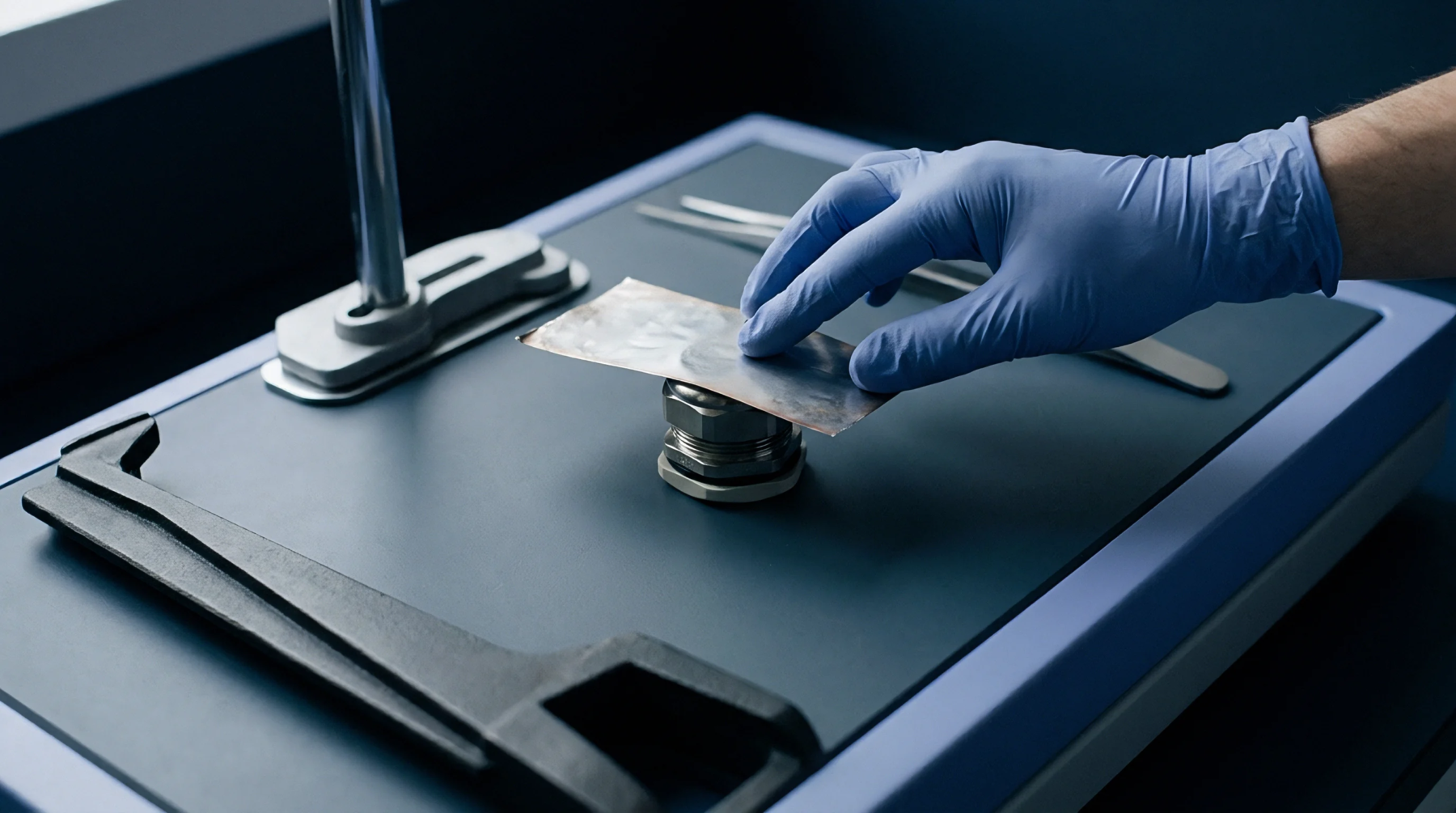
Specially engineered heated plates, dies, and mold assemblies used to simultaneously apply heat and compressive force to material sheets during assembly govern the fabrication of multilayer battery components. High-precision manufacturing environments rely on hot pressing tooling to achieve uniform thickness in solid-state electrolyte separators and electrode composites. This equipment must withstand continuous thermal cycling while maintaining flat surfaces to avoid pressure gradients.
Material Selection
Severe mechanical and thermal demands dictate the use of superalloys or silicon carbide in these structures. To prevent chemical reactions with active cell materials, hot pressing tooling is often coated with protective inert films such as diamond-like carbon or titanium nitride. These durable coatings prevent metal contamination from degrading the delicate solid state layers.
Mechanical Tolerances
Extremely flat surfaces are necessary to prevent micro-cracks in brittle ceramic separators. Even minor wear on the hot pressing tooling leads to non-uniform density across the active area, which increases the likelihood of localized electrical short circuits.
Thermal Balance
Rapid thermal distribution across the entire die area determines the throughput rate of the assembly line. Insufficient heat control in the hot pressing tooling causes uneven binder curing, creating structural weak points that can fail during subsequent cell packaging steps.