Meaning
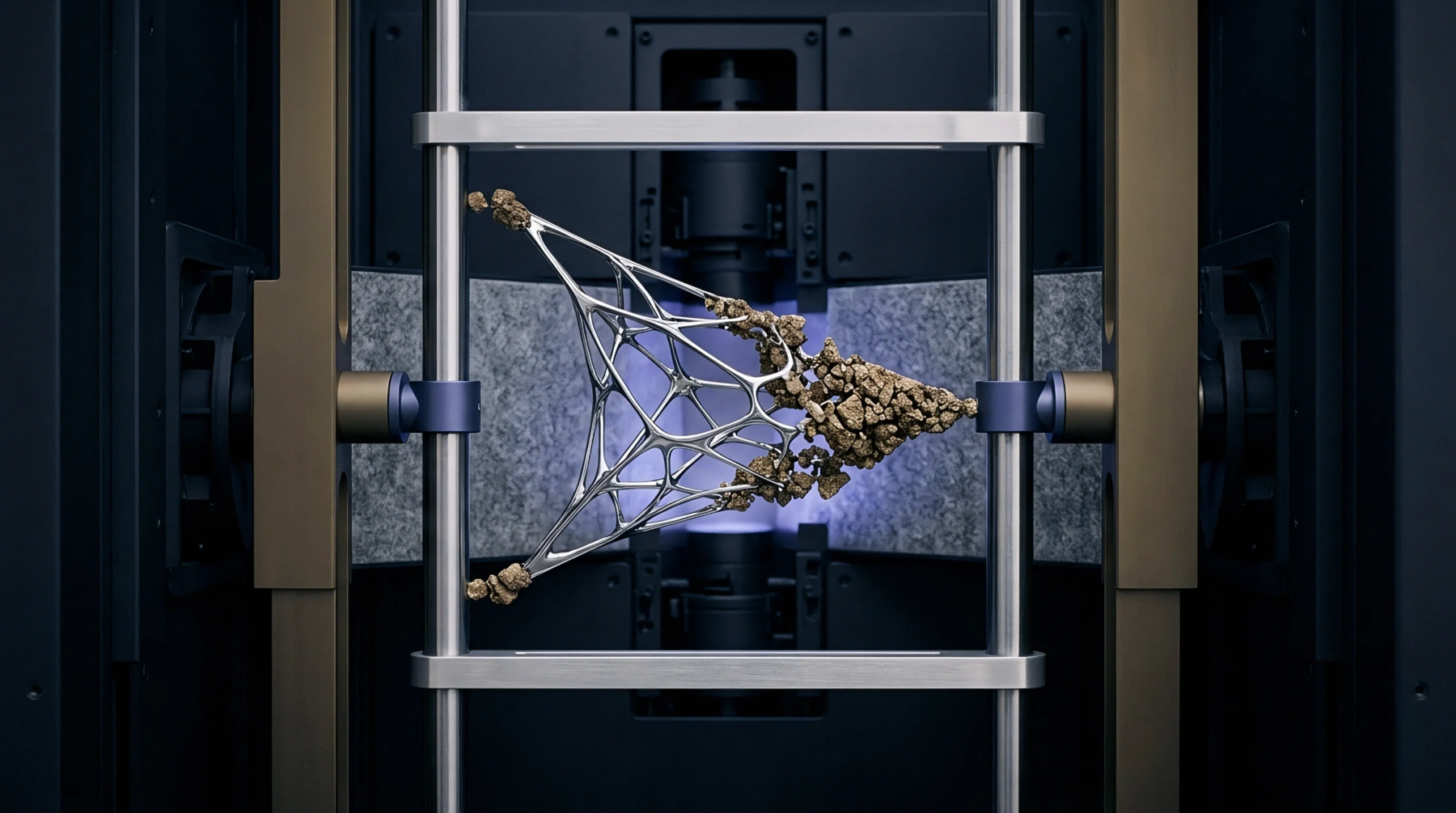
Repeated application and release of internal fluid pressure used to evaluate the fatigue strength of cooling components. This hydraulic pressure cycling simulates the stresses a battery cooling plate experiences over thousands of pump starts and thermal expansion events. It forces the structure to flex repeatedly, revealing weaknesses in welds or material thickness.
Fatigue Load
Metal components eventually fail under repeated stress even if the pressure remains below the burst limit. During hydraulic pressure cycling, the test system oscillates between a low base pressure and a peak value that represents the maximum expected operating load. A typical test might run for 100000 cycles to represent the lifetime of a vehicle.
This process identifies potential crack initiation points that a static pressure test would miss.
Component Longevity
Successful completion of the protocol ensures the part can survive the mechanical demands of the field. If a failure occurs, the location and type of crack provide data for design improvements. Engineers use these results to validate simulation models and ensure that the chosen safety factors are sufficient.
Leak Verification
Post-test inspection often includes a helium leak test to find microscopic failures. Any loss of seal integrity after hydraulic pressure cycling results in a failed validation. This ensures that the cooling system remains hermetic throughout its service life.