Meaning
Chemical reaction pathways generate corrosive hydrogen halide compounds when fluorine-containing salts contact trace moisture. In lithium-ion batteries, hydrofluoric acid formation occurs when the electrolyte salt, typically lithium hexafluorophosphate, reacts with water impurities. This highly reactive acid degrades the protective cathode coatings and the solid electrolyte interphase on the anode, causing capacity loss and gassing.
Because the reaction is highly destructive to both active materials and metallic current collectors, battery manufacturers enforce rigorous dry room standards to minimize incoming moisture.
Chemical Mechanism
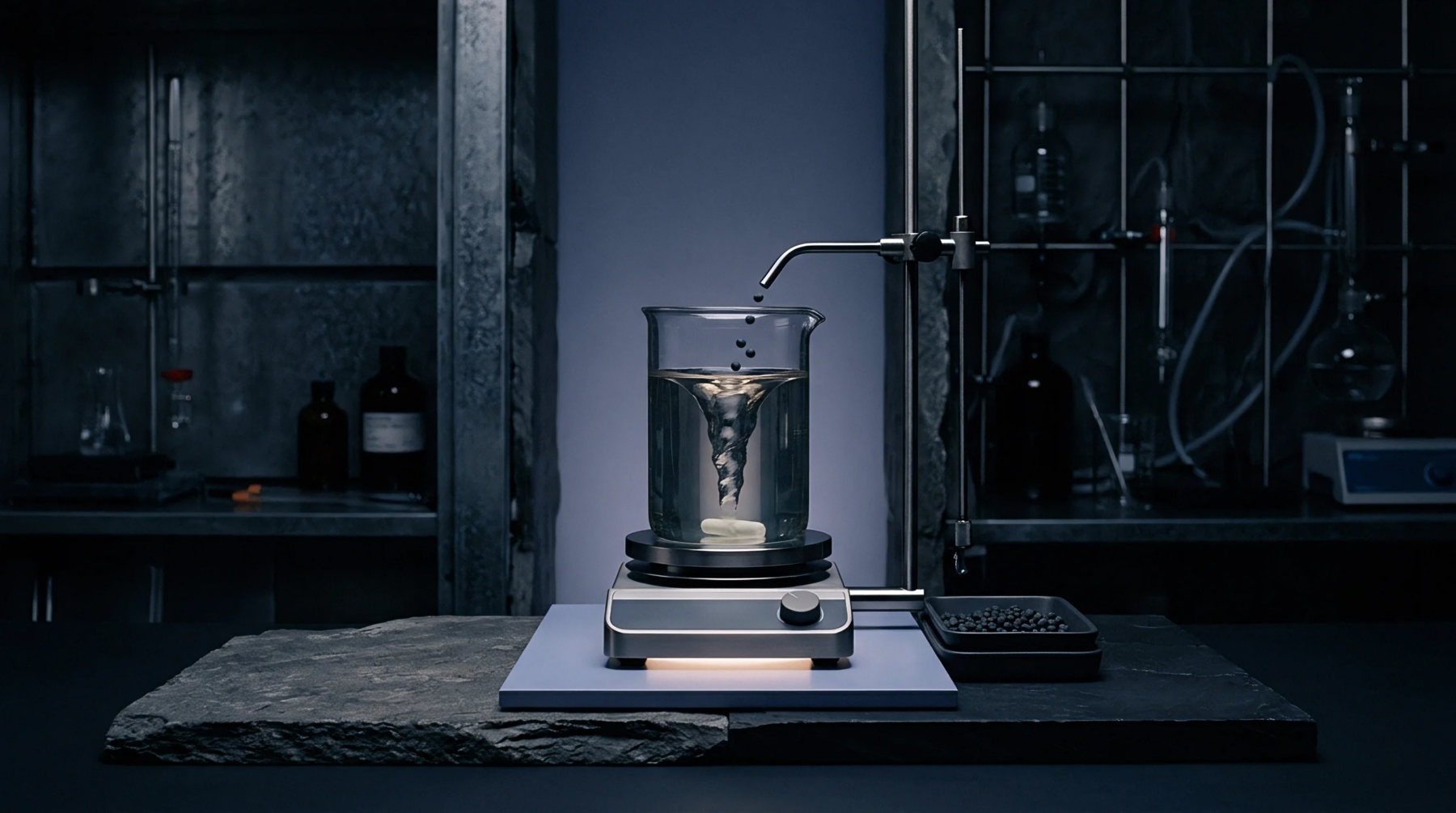
Water molecules initiate the hydrolysis of the hexafluorophosphate anion, releasing highly reactive acidic molecules. This reaction is autocatalytic, meaning the produced acid further accelerates the decomposition of the organic carbonate solvents. Controlling moisture levels below ten parts per million inside the dry room is the primary method to prevent this reaction.
Cell Degradation
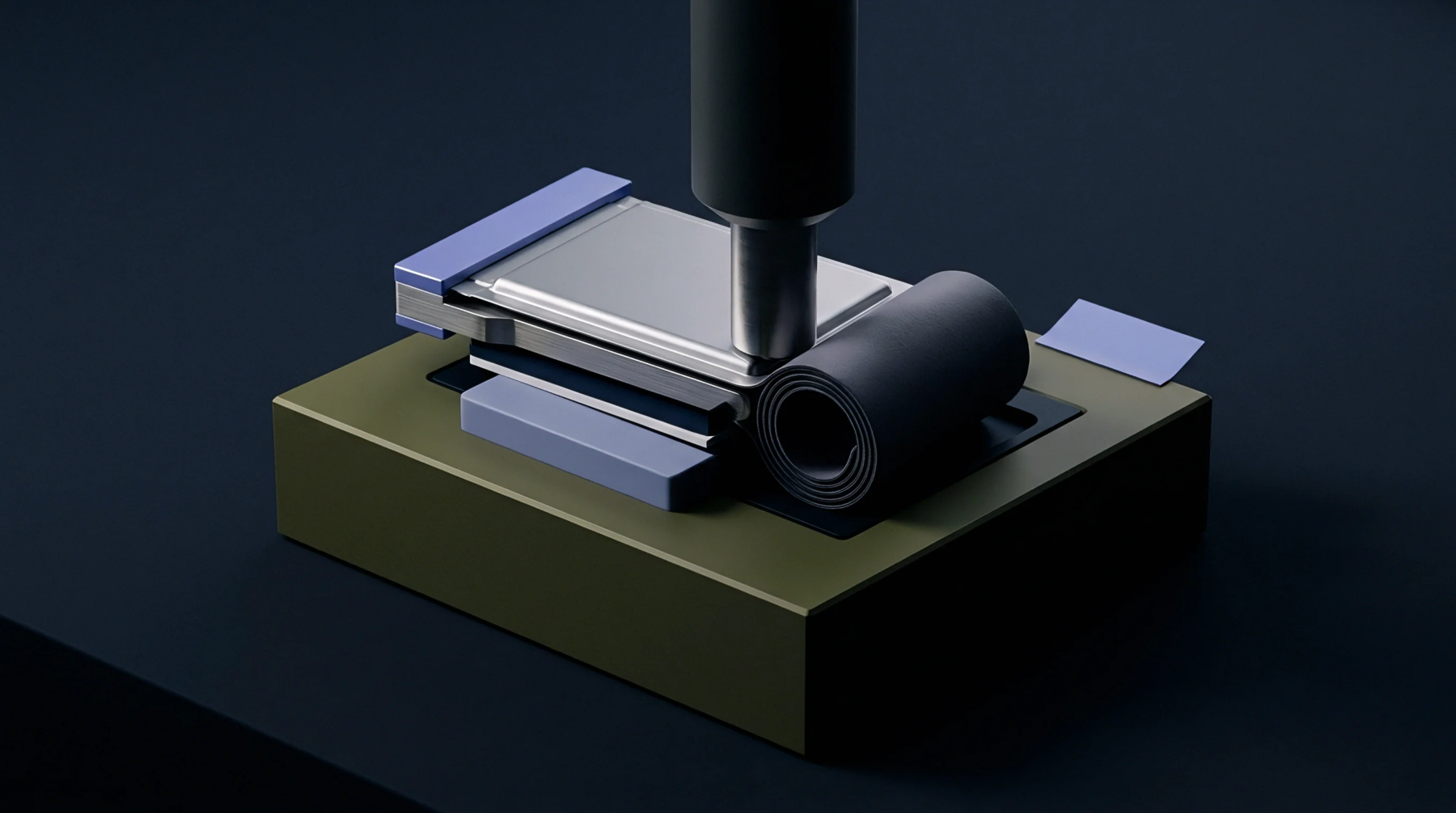
The generated acid attacks the transition metal oxides on the positive electrode, causing metal ions to dissolve and migrate to the negative electrode. This metal migration damages the protective film on the anode, leading to continuous electrolyte consumption and increased internal cell resistance. Over time, the structural stability of the housing can also be compromised.
Safety Control
Battery pack designers select corrosion-resistant materials for cooling plates and seals to withstand accidental acid exposure. Quality managers monitor moisture levels in incoming cells during the fill process. This monitoring prevents long-term reliability issues and potential thermal events.