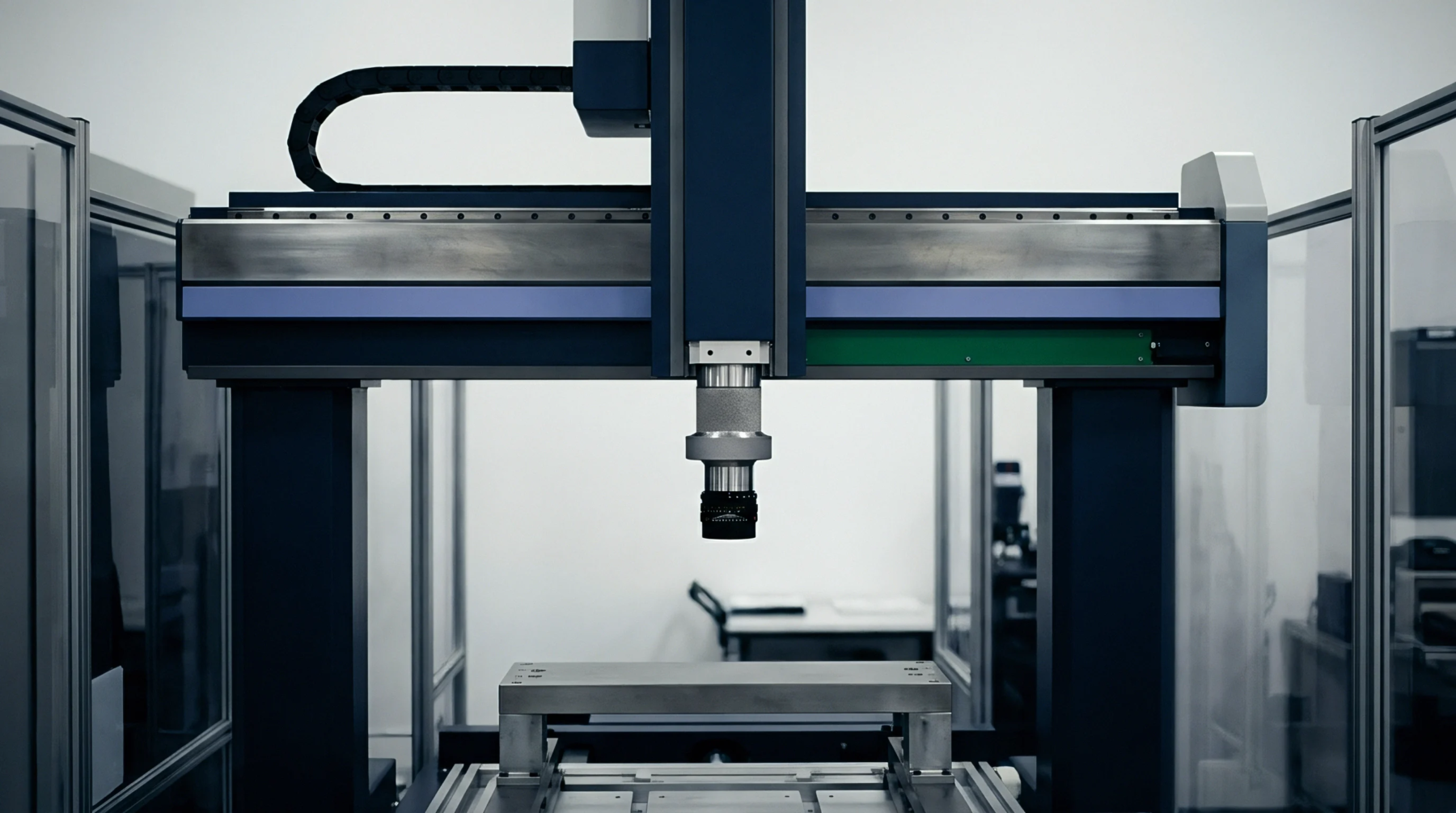
Quantifying Micro Leak Thresholds for Lithium Ion Envelope Integrity Assurance
Micro leak rates above 1.0e-6 mbar L/s drive moisture ingress and hydrofluoric acid formation, degrading lithium ion cell capacity and triggering transport failure.
Micro leak rates above 1.0e-6 mbar L/s drive moisture ingress and hydrofluoric acid formation, degrading lithium ion cell capacity and triggering transport failure.
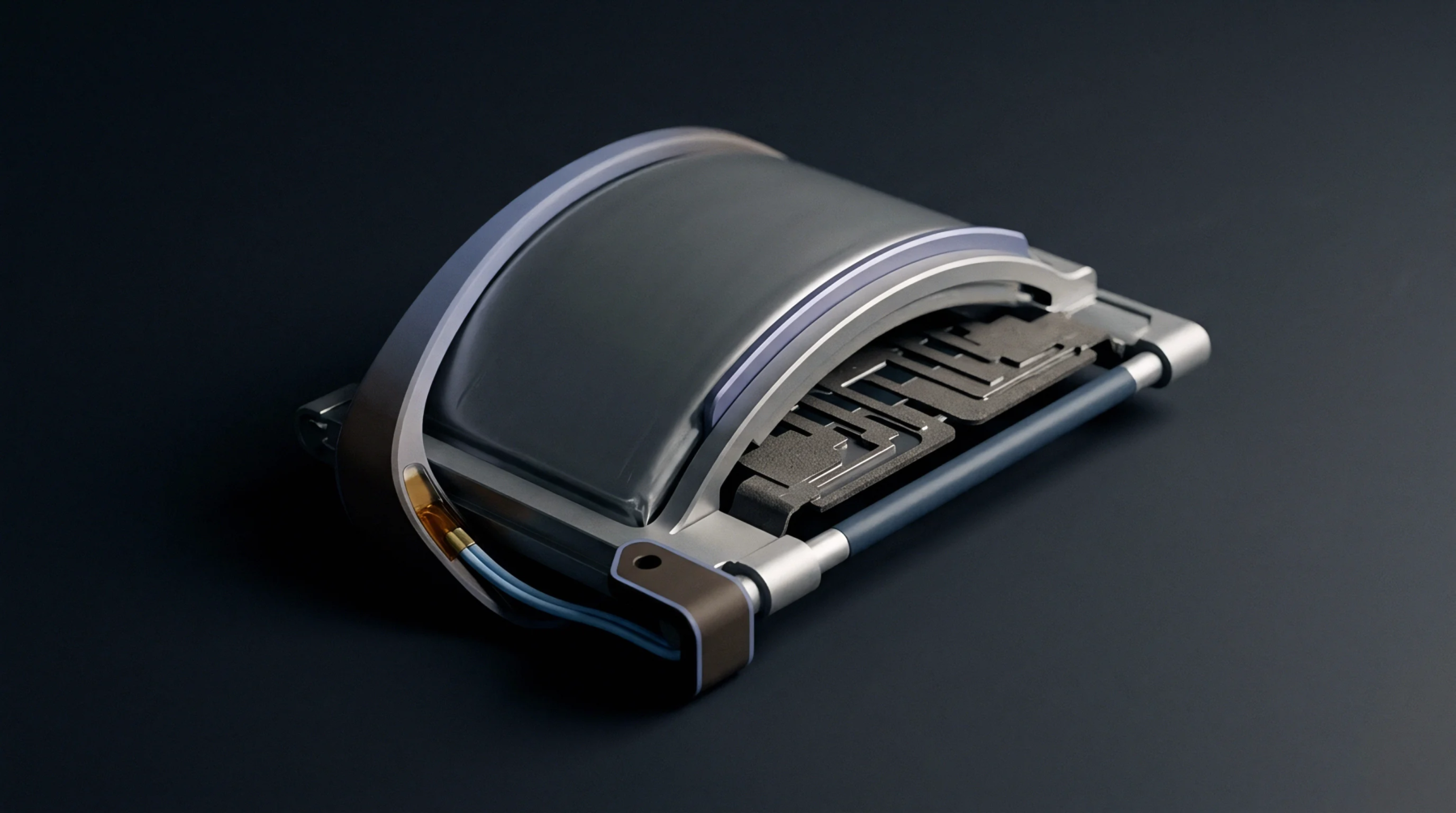
Standard air equivalent leak conversions transform empirical helium mass spectrometer readings into precise air ingress and solvent loss metrics for pouch cells.

Convert helium leak rates to air and moisture ingress rates by identifying the microchannel flow regime using Knudsen numbers to calculate 10-year cell degradation.
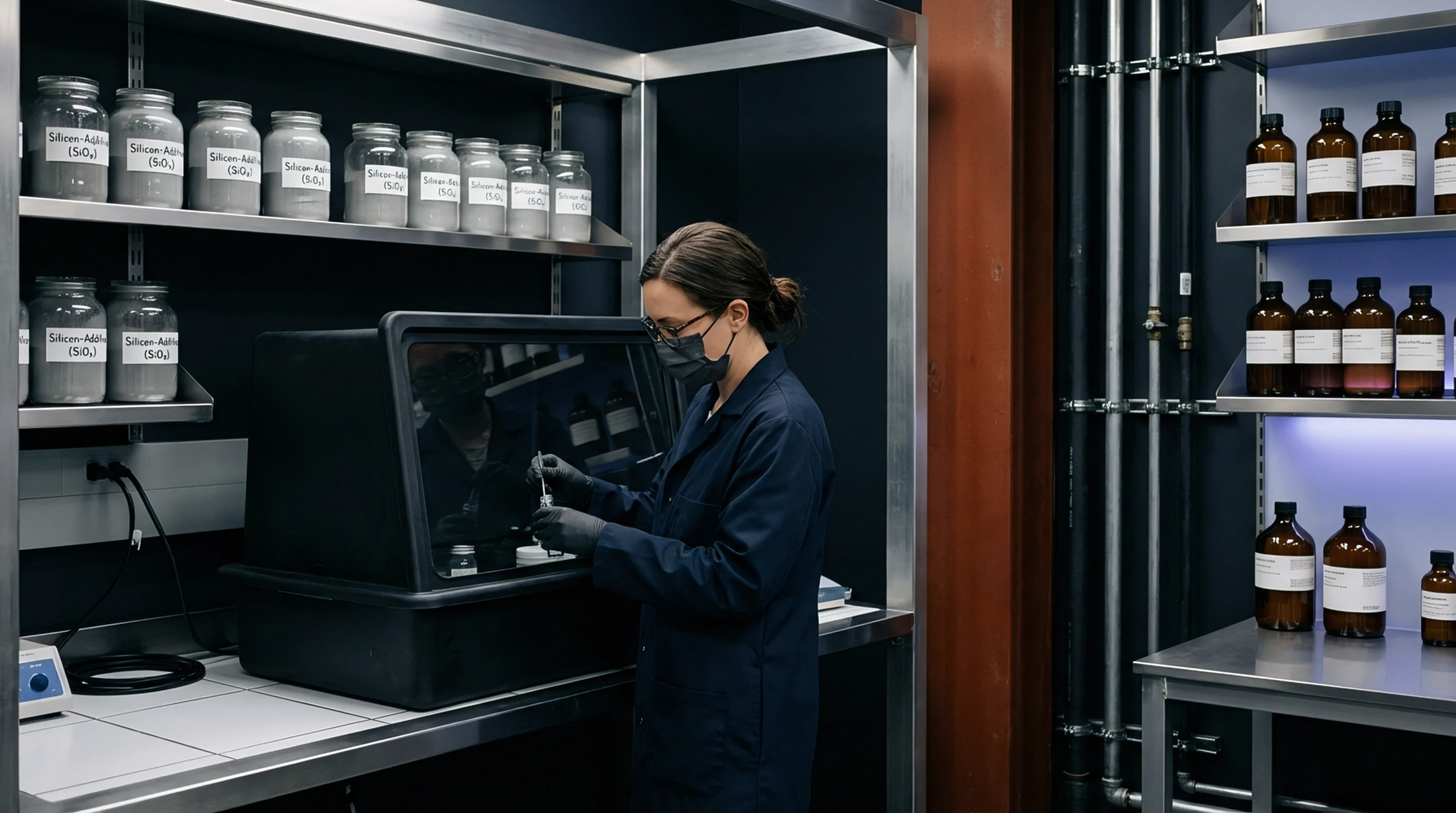
Engineering high density battery enclosures requires sizing active exhaust rates to peak off-gas evolution and NFPA 68 vents to hydrogen-rich deflagration indices.

High voltage thermal cycling accelerates electrolyte salt depletion and interphase resistance growth, requiring combined spectroscopic and mass transport verification.
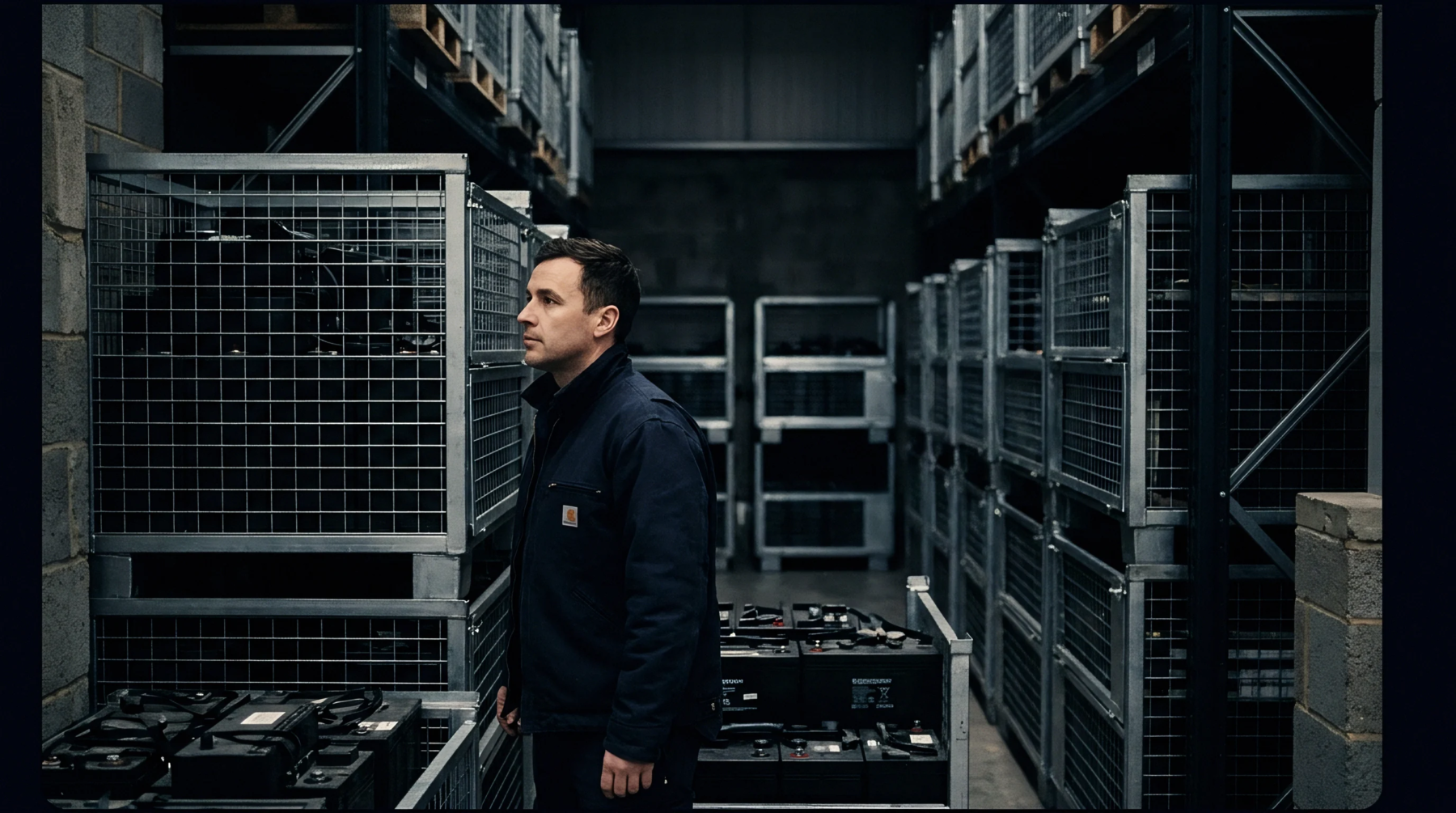
Commercial pouch cell procurement contracts require specifying helium mass spec leak thresholds below 2.69 × 10⁻⁶ mbar·L/s to prevent moisture ingress and HF acid formation.
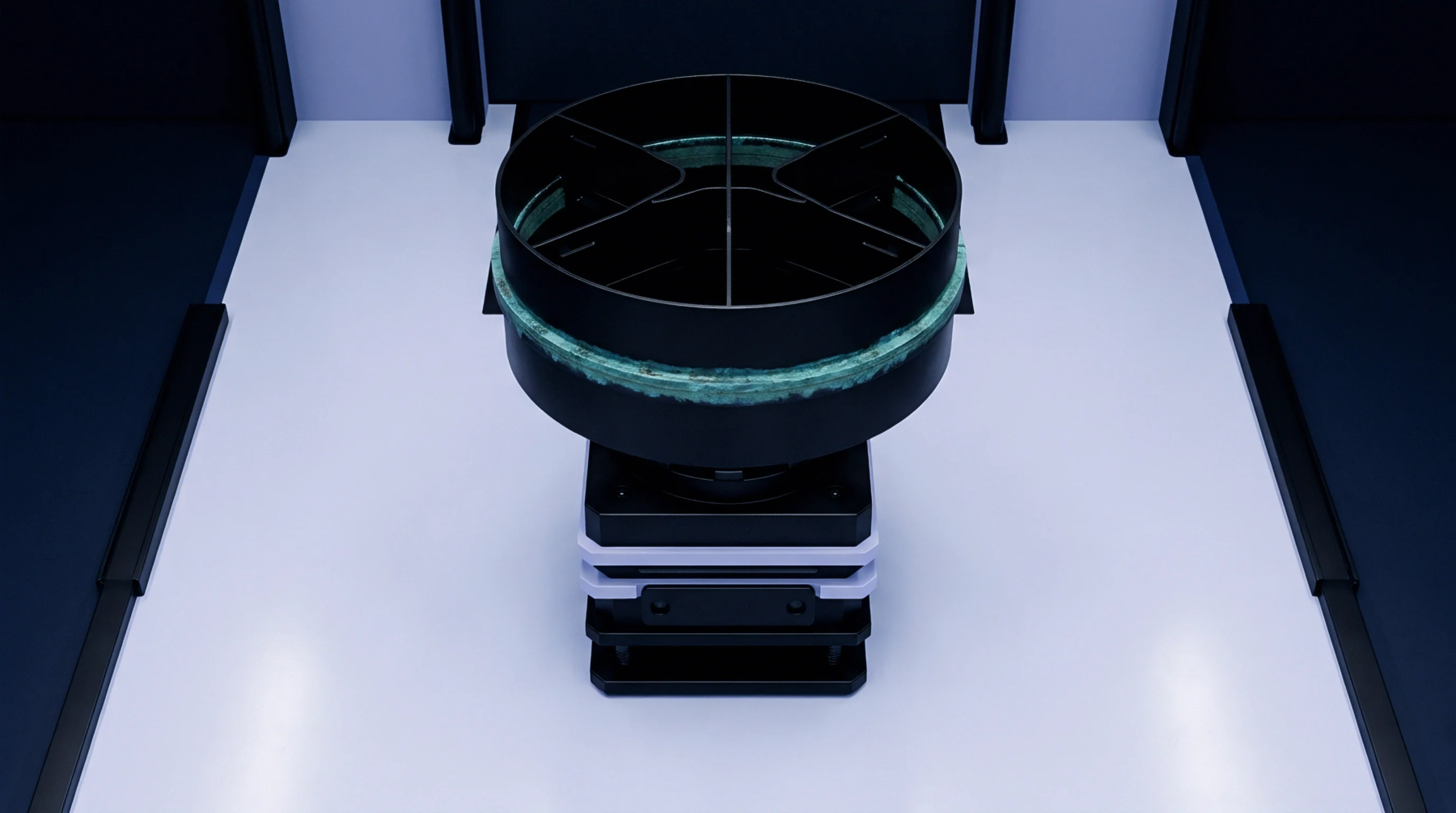
GC-MS headspace analysis measures intrinsic electrolyte solvent vapors to detect sub-micron battery seal micro-leaks below 10^-7 mbar L/s without cell destruction.

NFPA 855 compliance for high density battery bays hinges on UL 9540A explosion testing to reduce 3 foot clearances and size deluge water systems.
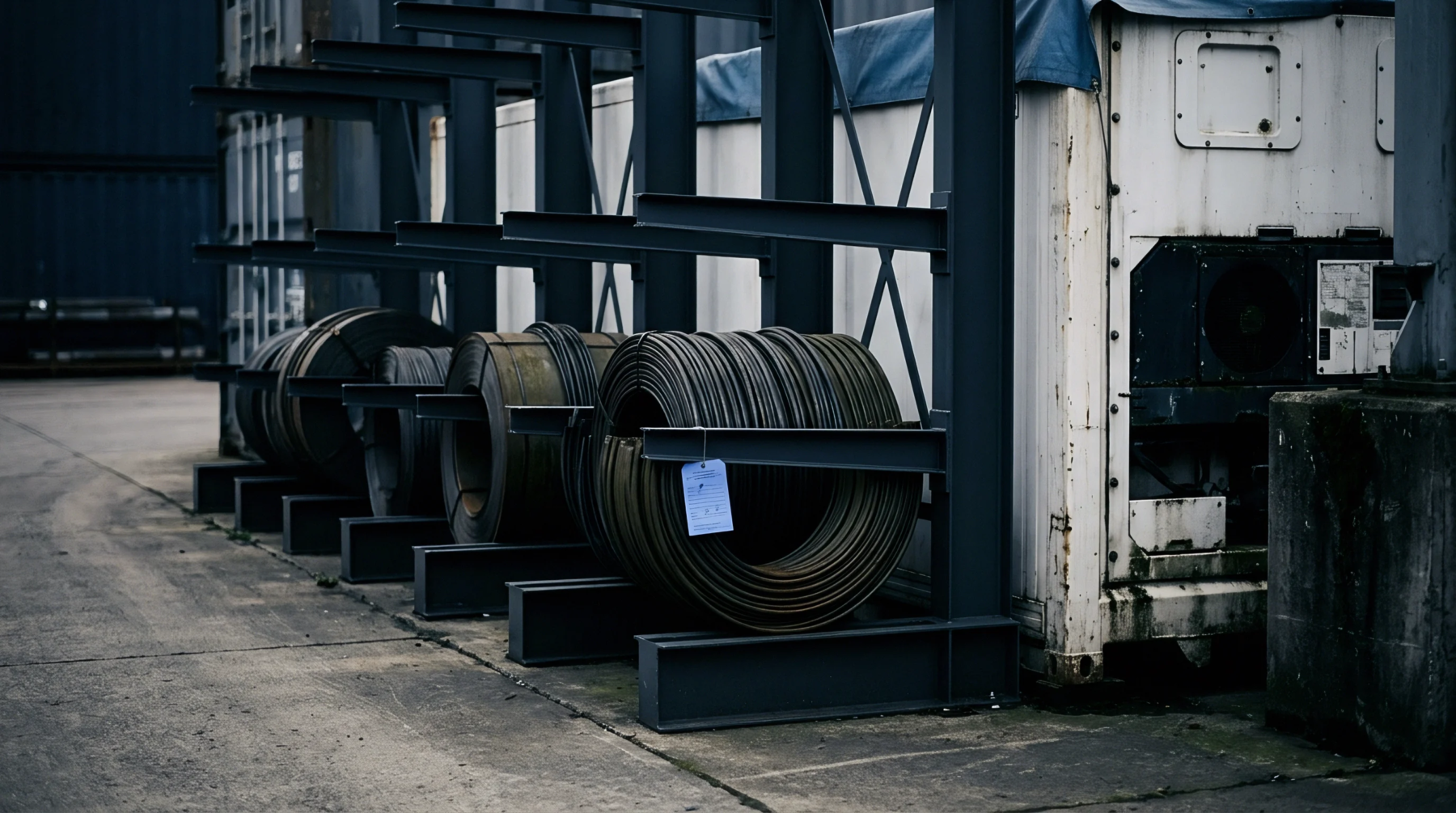
Microstructural separator pore collapse and gas evolution during pouch cell storage exponentially increase internal impedance and drive irreversible capacity scrap rates
Expertise is a utility, not a secret. sentiention™ publishes its working knowledge as open reference: intelligence layer covering the materials it sources, the markets it enters, and the reference that serves both.