Meaning
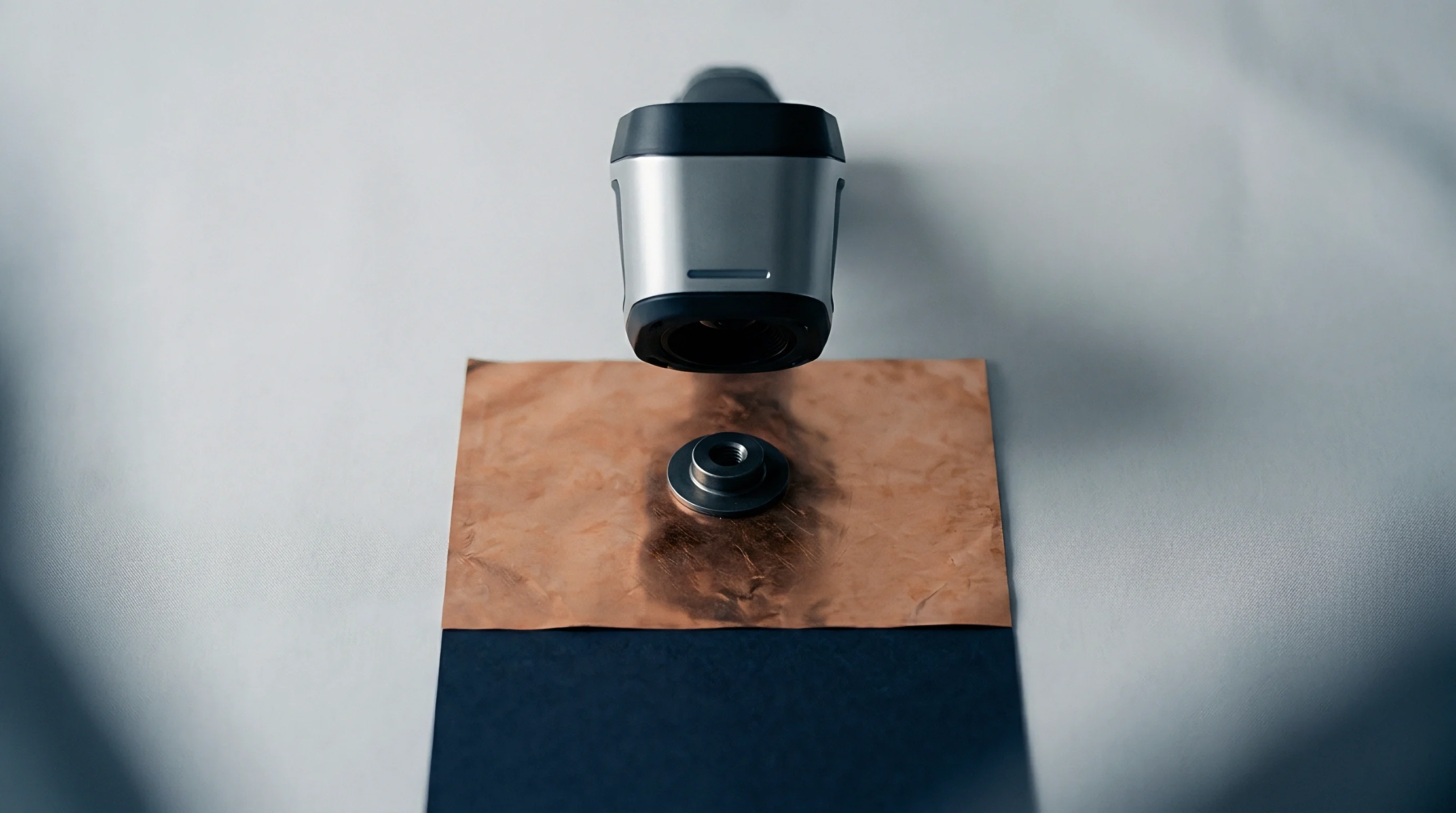
Physical separation events occur when the adhesive bond between the metallic current collector and the polymer pouch film fails under thermal or chemical stress. This failure creates a leak path where the internal electrolyte can escape and the external humidity can enter the battery. Tab seal delamination is a common failure mode in pouch cells because the interface between a rigid metal and a flexible plastic is inherently difficult to maintain.
The bond must remain intact despite the different rates of thermal expansion between the two materials. This issue usually appears at the point where the electrical leads exit the hermetic enclosure.
Bond Failure
Loss of adhesion often begins at the microscopic level before becoming a visible gap that compromises the cell. When tab seal delamination occurs, the seal strength drops significantly, making the battery vulnerable to mechanical vibration and internal pressure. This separation can be caused by improper cleaning of the metal surface or by the use of an incompatible polymer coating.
If the surfaces are not perfectly bonded during the heat sealing stage, the electrolyte will eventually find its way into the interface. Once the liquid reaches the bond, it can chemically attack the adhesive, leading to a complete failure.
Stress Factor
Rapid temperature changes and high current flow are the primary drivers of the mechanical strain at the seal. Because the metal tab conducts both electricity and heat, it often gets hotter than the surrounding pouch material during fast charging. This temperature difference causes the tab to expand more than the plastic, creating a shearing force that promotes tab seal delamination.
Chemical stress from the acidic byproducts of electrolyte degradation also plays a role in weakening the polymer bond over time. Maintaining a stable environment is necessary to prevent these forces from tearing the seal apart.
Pathogenesis Mechanism
Development of a leak through the tab area is a progressive process that ends in the total failure of the battery. As the tab seal delamination spreads, it creates a capillary path for the liquid electrolyte to migrate toward the outside of the pouch. This white or green crystalline residue seen on the outside of the battery is often the first sign of a problem.
If the leak is large enough, the cell will lose capacity and eventually stop working due to internal drying. Advanced manufacturing techniques, such as laser pre-treatment of the tabs, are used to increase the surface area and improve the longevity of the bond. Robust sealing is the key to a safe and durable pouch cell.