Meaning
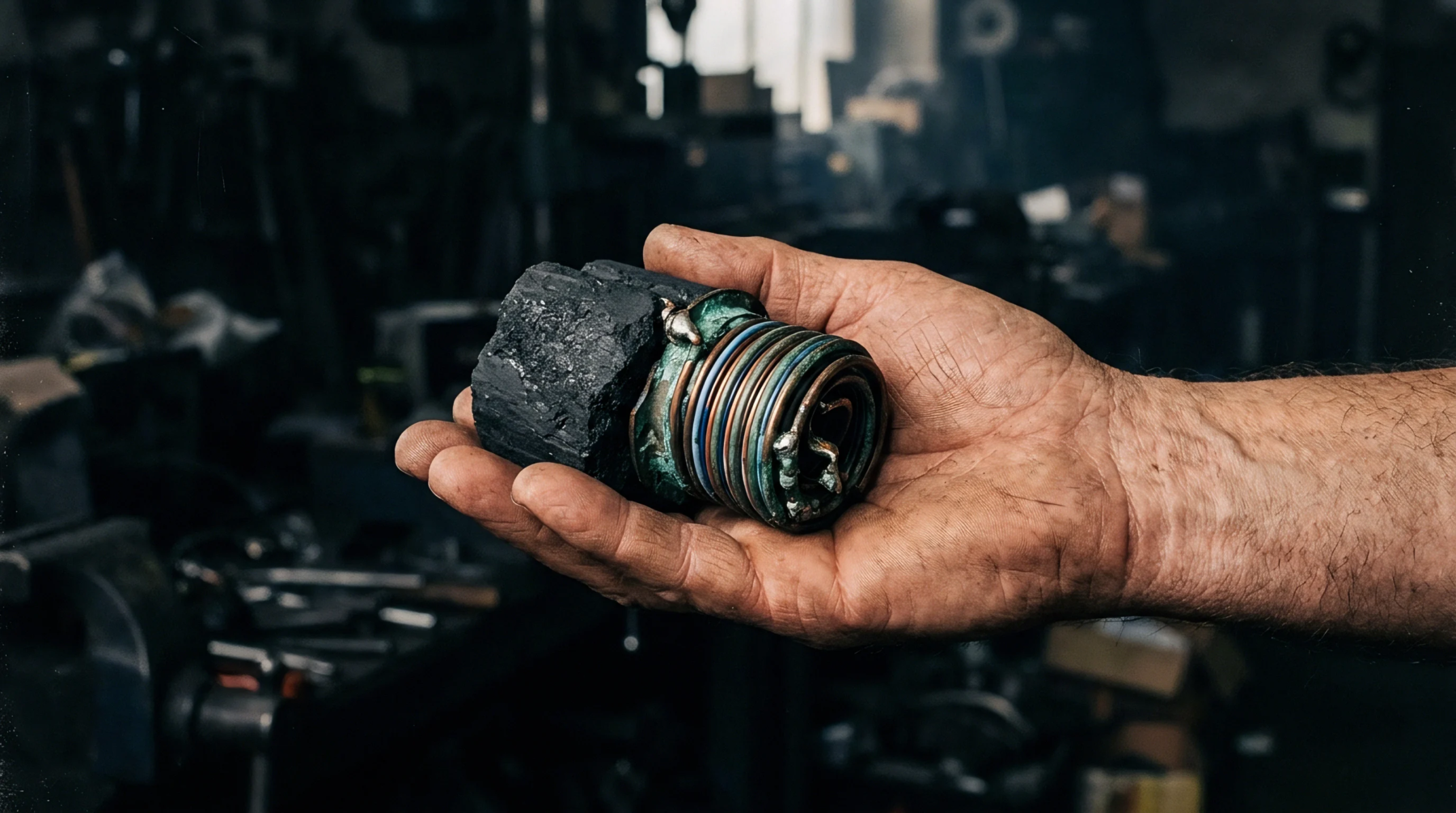
Solid amorphous material produced through the carbonization of non-graphitizing organic plant matter represents the physical classification of lignin hard carbon. This specific derivative utilizes industrial wood pulp byproducts to create a porous structure suitable for intercalation in lithium ion or sodium ion anodes. Stable chemical bonds within the biomass precursor prevent layers from aligning into graphite sheets during heating, which forces a disordered orientation that allows for larger atomic storage volumes.
Production Mechanism
Thermal conversion of lignin begins with the removal of moisture and volatile compounds under controlled oxygen free atmospheres at temperatures ranging from 800 to 1500 degrees Celsius. Scientists apply slow heating rates to maximize the retention of oxygen functional groups which stabilize the precursor morphology against softening. Subsequent cooling preserves the lattice defects necessary for ion transport speed.
Structural Characteristic
Irregular spacing between carbon layers creates a significant volume of nanometer scale pores that accommodate incoming charge carriers. Potassium or sodium ions migrate into these cavities during the reduction phase of battery operation to prevent the formation of metallic dendrites. This expanded spacing keeps the expansion of the anode lattice limited during prolonged cycling cycles.
Performance Metric
Electrochemical capacity remains the primary gauge for determining the commercial viability of these materials in grid storage applications. Manufacturers evaluate the efficiency of the initial cycle to determine how much lithium remains trapped inside the carbon pores as an irreversible loss. High internal porosity dictates the rate capability of the cell because the surface area directly influences how fast ions reach the storage sites.