Meaning
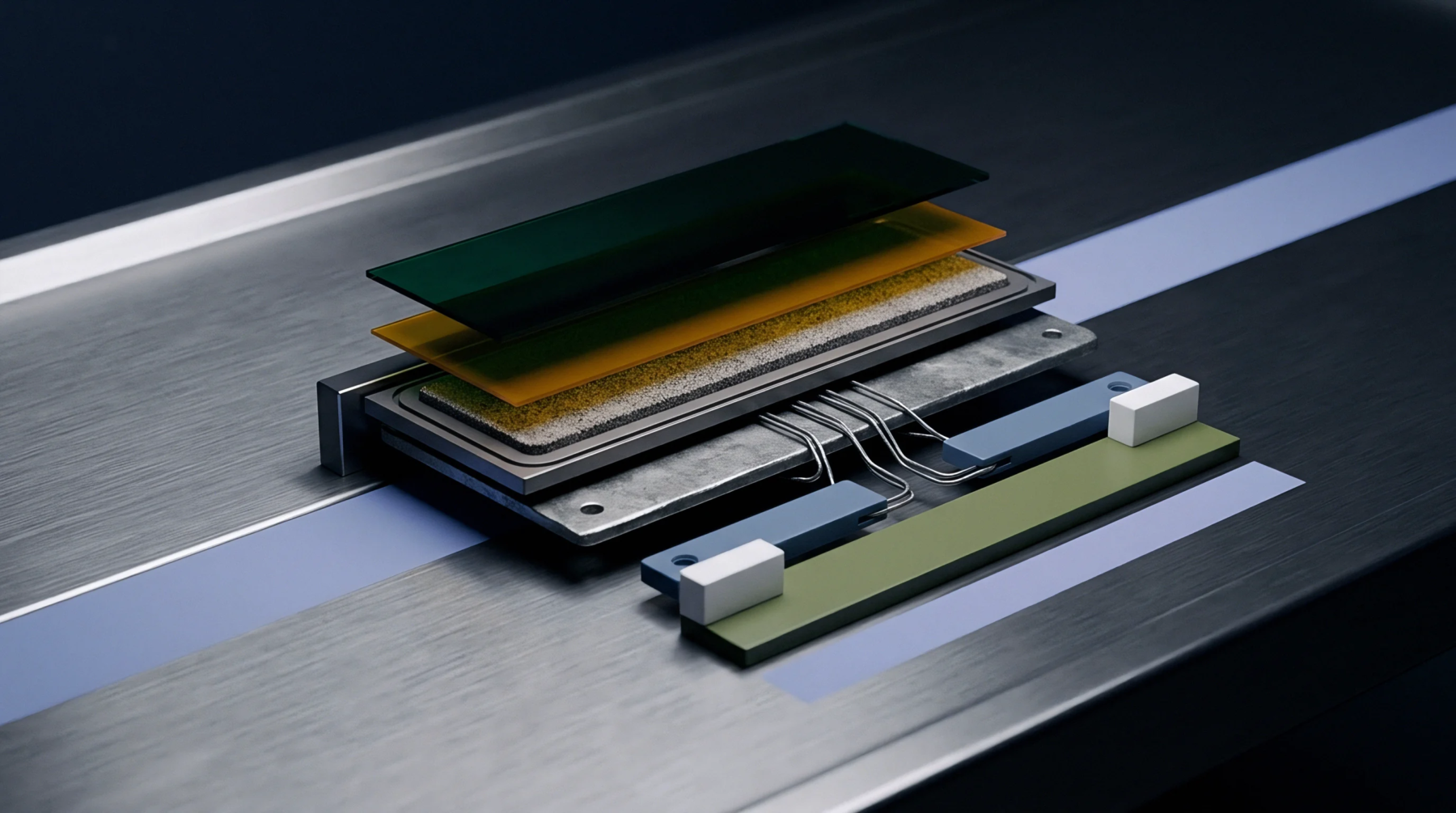
Heat exchanger plate designed with internal fluid channels to circulate coolant and absorb heat directly from the surfaces of battery cells in a pack. It governs the thermal management of high-power battery systems, ensuring that cells operate within their optimal temperature range to prevent degradation and thermal runaway. This cooling component operates whenever the battery temperature exceeds the target limit or during fast-charging events.
Thermal Transfer
The cooling fluid, typically a water-glycol mixture, is pumped through the plate to absorb heat and carry it away to a radiator or chiller. A liquid cold plate relies on direct contact with the cells, usually through a thermal interface material, to maximize heat transfer efficiency. The design of the internal channels is optimized to ensure uniform cooling across the entire plate surface.
This uniformity is critical for preventing temperature differences between cells, which can cause uneven aging. Even a small difference in temperature can lead to some cells degrading faster than others, reducing the overall capacity of the pack. By optimizing the flow path, engineers can minimize these temperature gradients and ensure that all cells degrade at a similar, predictable rate.
Cell Protection
Keeping the cells cool is essential for maintaining their health and preventing accelerated aging during high-discharge or fast-charging cycles. If the temperature is allowed to rise too high, it can accelerate chemical degradation and increase the risk of thermal runaway. The liquid cold plate provides the cooling capacity needed to handle the high heat loads generated during rapid charging.
This protection is key to maintaining the safety and performance of electric vehicle battery packs. It allows the vehicle to support multiple fast-charging events without experiencing a drop in performance or safety. This reliable thermal management is a key factor in building consumer confidence in the longevity and safety of electric transportation.
Manufacturing Integration
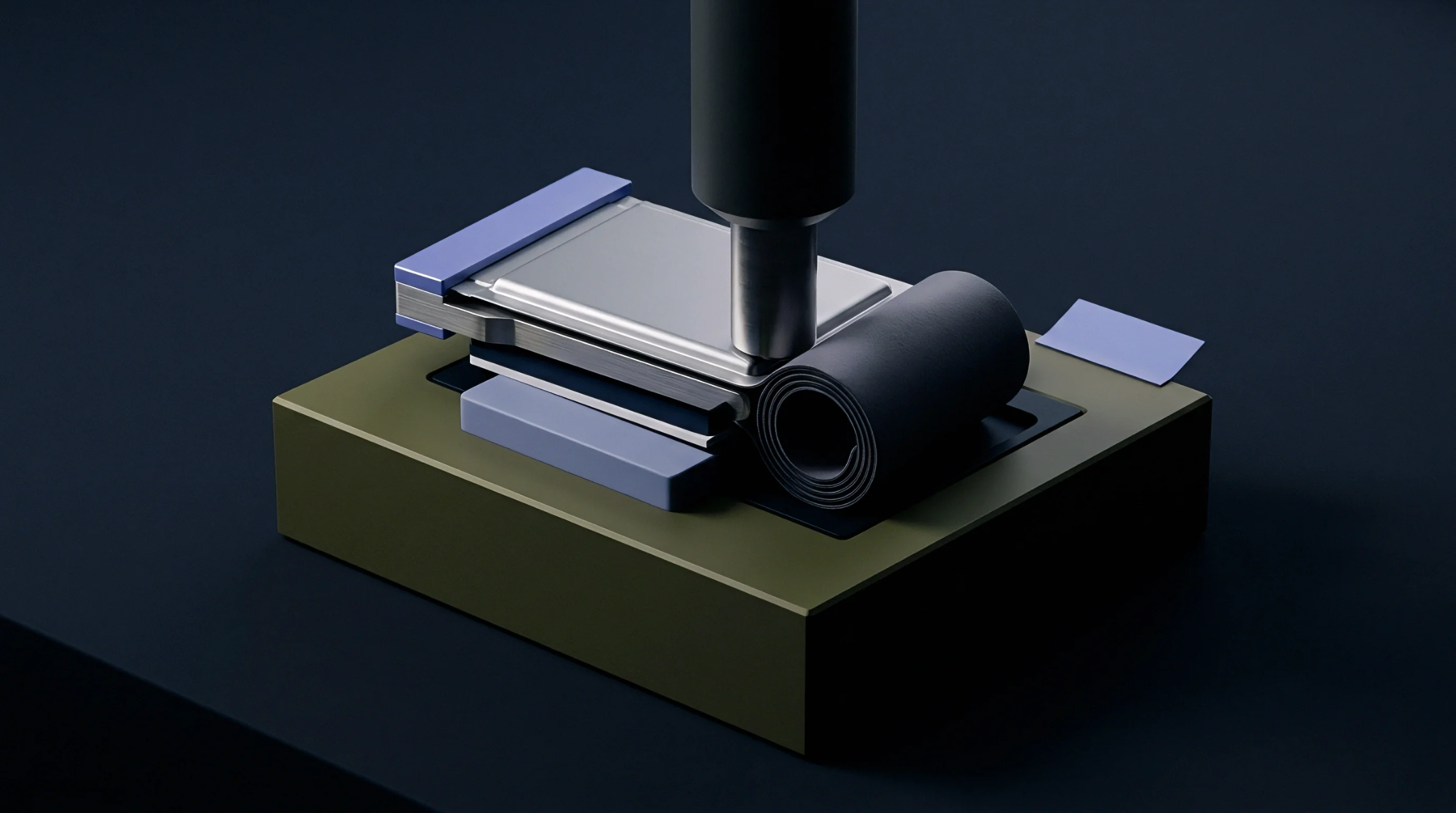
Designers must integrate these plates into the pack structure while ensuring they remain lightweight and leak-free. A leak in a liquid cold plate can introduce conductive fluid into the high-voltage battery compartment, causing short circuits and safety hazards. As a result, these plates must undergo rigorous pressure and leak testing during the manufacturing process.
Their integration must also accommodate the mechanical expansion and contraction of the cells during charging and discharging. This require a robust design that can handle these stresses over the lifespan of the vehicle. The manufacturing of these plates involves precision brazing and welding to ensure that they can withstand the test of time.