Meaning
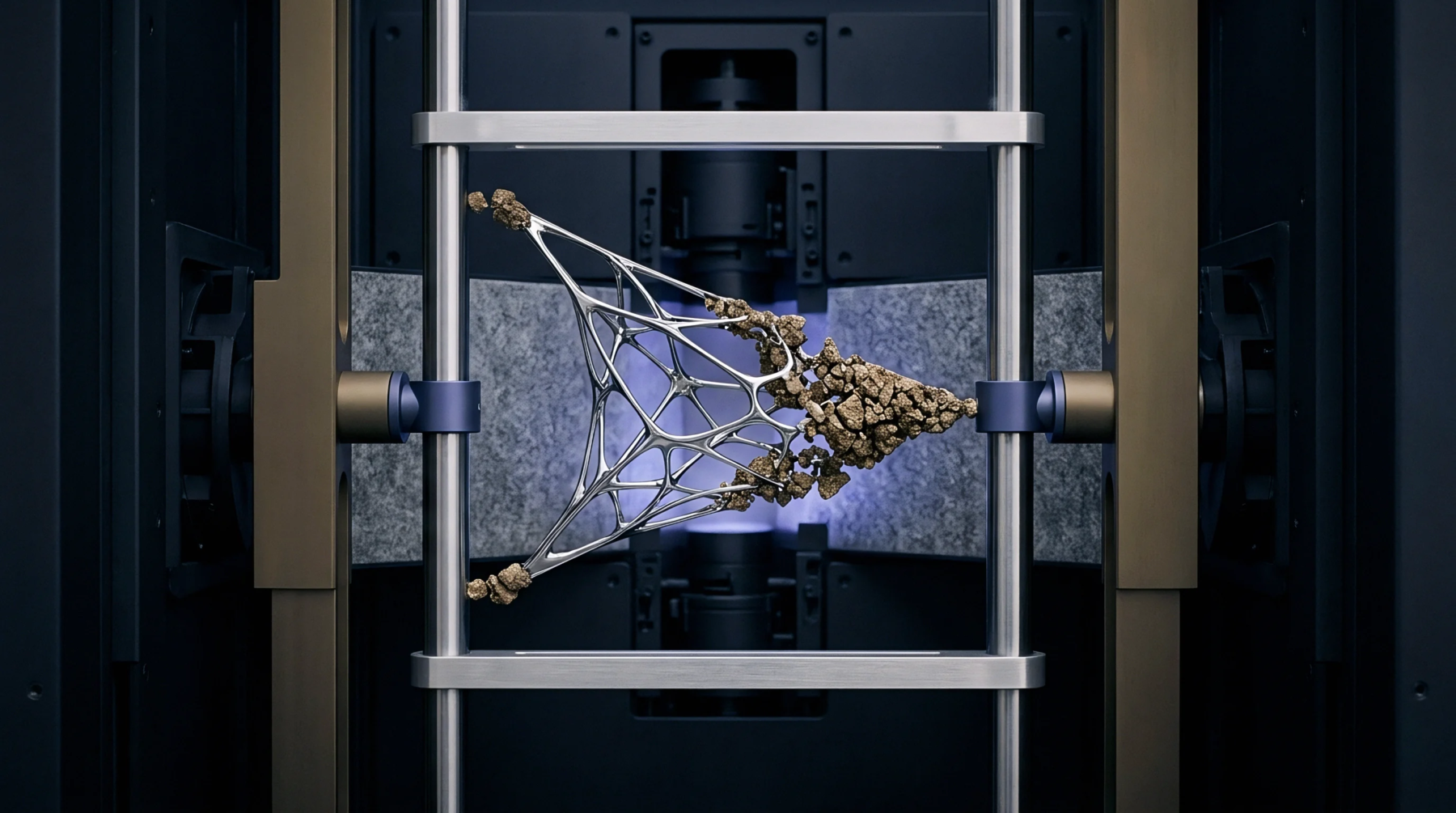
Design techniques and chemical formulations prevent the growth of metallic spikes from the negative electrode through the separator during high speed charging. Lithium dendrite suppression involves the use of specialized coatings, rigid ceramic separators, or high surface area anode structures to ensure smooth lithium deposition. If these measures fail, the metallic growth can bridge the gap between anode and cathode which triggers an internal short circuit.
This mechanism is a foundational safety requirement for any energy storage system intended for rapid power delivery or high energy density.
Separator Engineering
Ceramic coatings applied directly to the polyolefin separator increase its mechanical resistance to puncturing. When lithium dendrite suppression relies on these physical barriers, the material must remain porous to ions while remaining impervious to solid metal. These layers are extremely thin to avoid increasing the resistance of the cell.
High tensile strength ensures that even if a local growth starts, it is flattened against the surface of the electrode. This prevents the needle like structure from advancing far enough to touch the positive terminal. Successful ceramic application also improves the thermal stability of the overall membrane structure.
Electronic Control
Rapid charging creates the localized ion concentration gradients where these metallic needles typically form. When battery management software includes lithium dendrite suppression logic, it throttles the current as the cell approaches low temperatures or high states of charge. This regulation maintains the local potential of the anode above the level where metallic plating occurs.
Real time monitoring of internal resistance can signal when suppression is beginning to fail. Fast chargers look for these signatures to drop the voltage before damage becomes permanent. Modern algorithms utilize complex physical models of the cell geometry to predict these events miles before they trigger.
Electrolyte Stability
Chemical additives modify the surface energy of the anode to encourage planar rather than vertical growth of the metal. If lithium dendrite suppression is successful, the ions spread out evenly across the graphite or silicon particles to form a flat deposit. These chemicals act as sacrificial agents that clean the interface every cycle.
This keeps the surface clean of dead lithium which often serves as a site for further spikes. Without these additives, high power cells would fail within dozens of cycles. Successful suppression allows for vehicles to charge in under fifteen minutes without risking catastrophic internal events.