Meaning
Dynamic test procedure uses intense sudden deceleration to evaluate the structural integrity of a power storage device against forces common in transport accidents or drops. In the mechanical shock t4 sequence, units endure three shocks per direction across six different geometric axes using standardized laboratory machines to ensure full spatial coverage of the internal architecture. Successful samples show zero evidence of fire, assembly breakdown, venting, or leakage during the hours following the test conclusion.
This confirmation proves that items remain stable even if their shipping pallet is jarred by heavy loading equipment or if the transit vehicle hits a severe impact. Compliance ensures the device survives rough intermodal logistics conditions without triggering internal electrochemical instability or physical rupture of the cell skin.
Acceleration Force
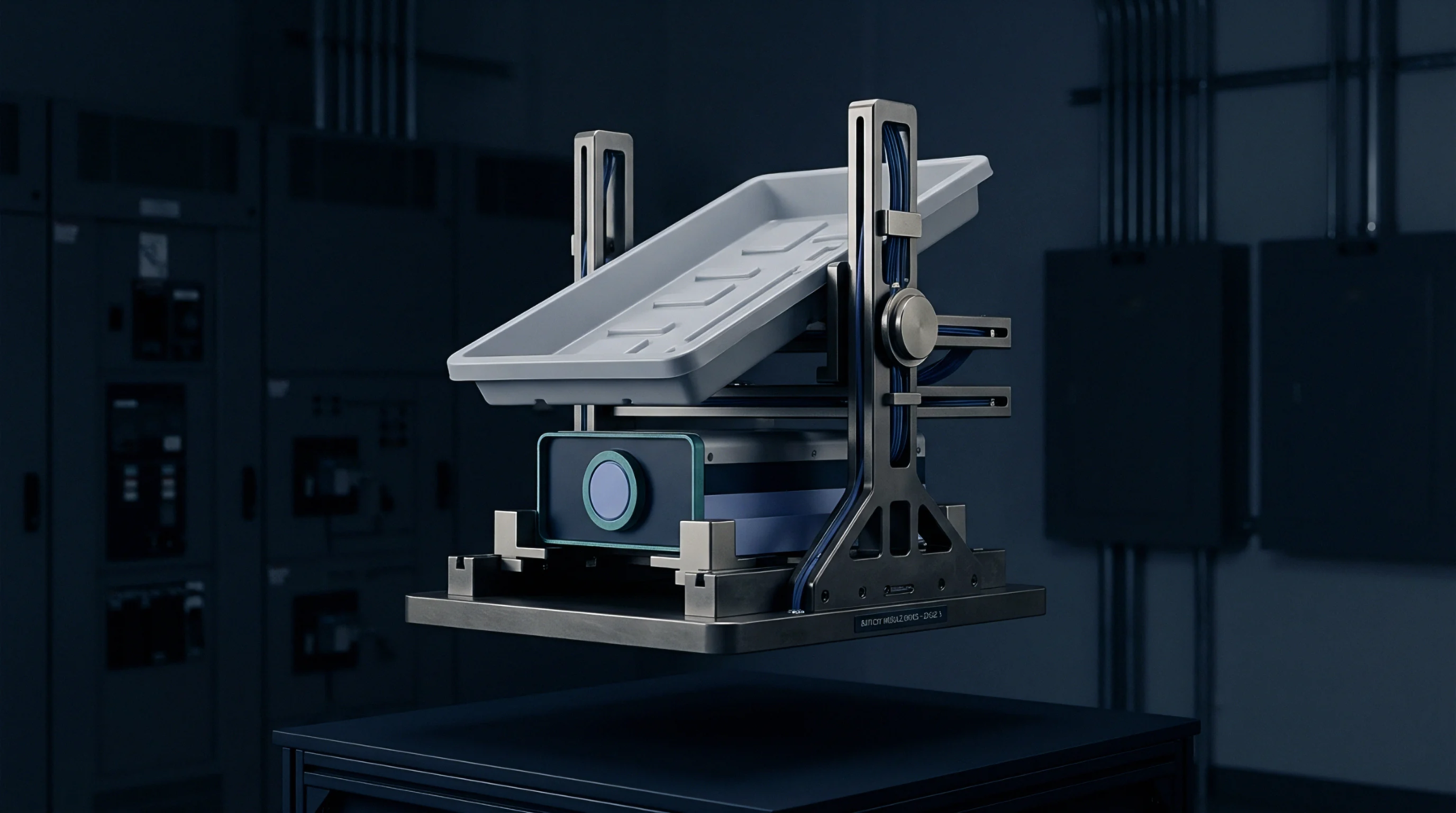
Laboratory tools create half sine pulses that push units to fifteen times the force of gravity for small items to verify component security within the casing. During the mechanical shock t4, observers look specifically for failures in the spot welds that hold internals to the terminal connectors inside the sealed unit. Performance depends on the internal mass being properly supported by fillers or rigid mounts that prevent internal components from shifting during the sudden movement spike.
If materials move even a millimeter, they might create a microscopic short circuit that develops into a hot zone after the item returns to use. Engineers use high speed cameras and thermal sensors to identify whether the housing stays rigid and airtight under the intense pressure of the test frame. Passing items are certified as robust, giving transport agencies the confidence that items will handle jerky movements on cargo trucks and turbulent air freight rides effectively.
Directional Stress
Applying forces from all sides prevents the presence of weak design spots where a side impact might cause more damage than a face drop during loading. In the mechanical shock t4, the unit turns automatically inside the test rig to receive forces on its top, bottom, and all four side profiles in sequence. This comprehensive approach uncovers issues in prismatic cell designs where thin walls may bulge under force compared to generic cylindrical designs that handle pressure differently.
The laboratory records each voltage level during and after the strikes to verify that internal circuitry has not been permanently altered by the kinetic energy. Sourcing leads review these reports to verify that a supplier has done more than just minimal testing on the cheapest axis of the item. Accurate data here links directly to lower repair costs in the field, as items that survive transport shock are likely to survive the typical use cycles of portable consumer hardware.
Testing Floor
Rule coverage ends if a unit has already passed more severe military grade vibration and drop cycles designed for combat equipment or space hardware. For the vast majority of commercial items, the mechanical shock t4 is the mandatory high bar for safety before items travel to warehouse shelf locations worldwide. It focuses exclusively on structural kinetic survival rather than prolonged wear or chemical aging, which are covered by separate laboratory sequences in the un certification battery.
Logistics firms check these passed certificates before agreeing to multi year warehousing contracts for high density items known for their reactive chemistry. Correct results minimize the risk that a small warehouse collision becomes a major industrial fire through simple physical trauma to a single storage container. Compliance remains linked to the specific production version to ensure consistent safety across the entire product lifecycle as manufacturing methods evolve incrementally over time.