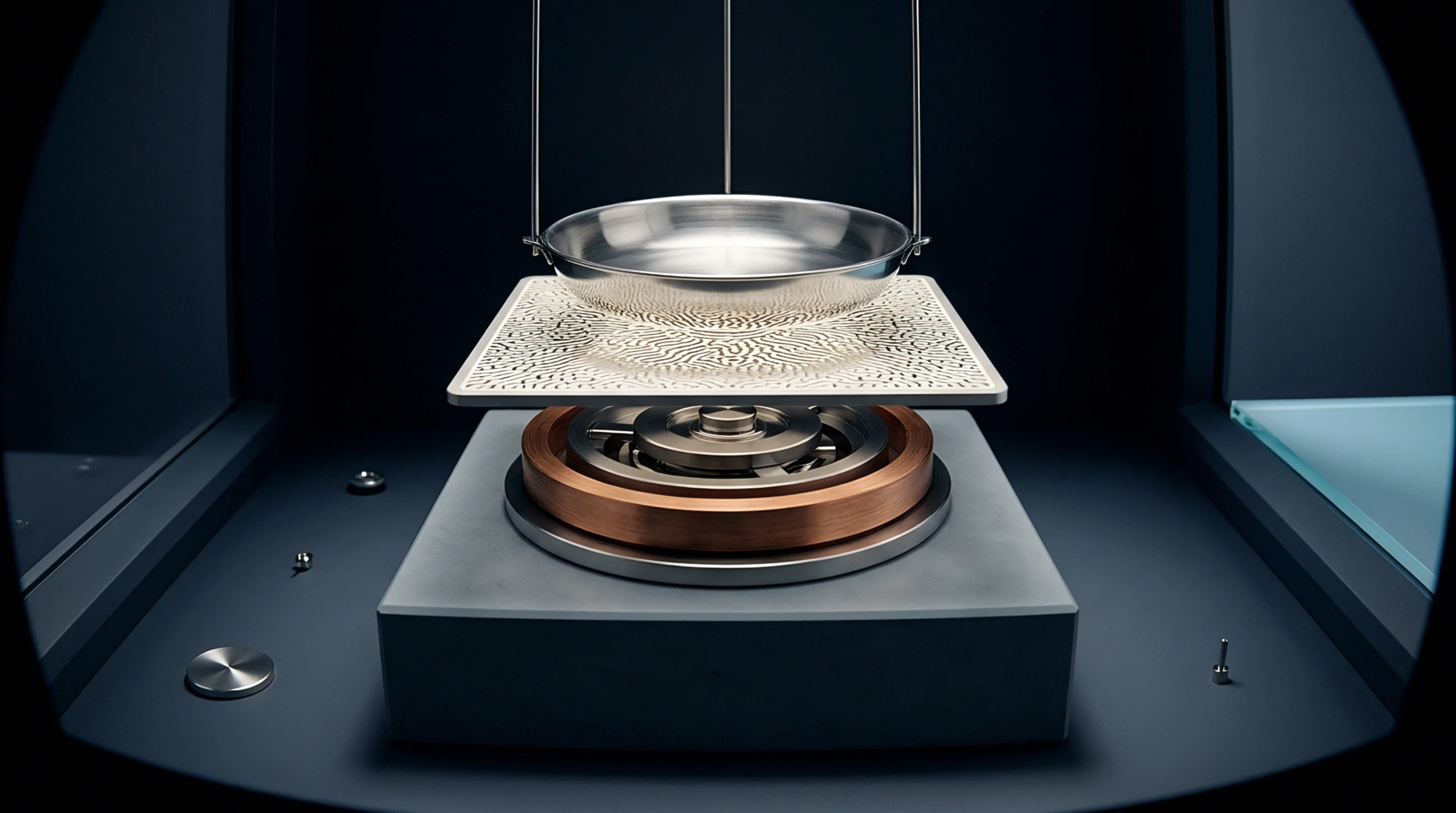
Powder Metallurgy Tool Steel Carbide Atomization Parameters
Optimizing tundish superheat, gas-to-metal ratio, and cooling rates ensures uniform fine carbide distribution and eliminates thermal segregation in PM tool steel powder.
Particle contamination quantification denotes the precise measurement of metallic or non-conductive debris found on internal component surfaces within lithium-ion cells. Micro-cleanliness monitors these microscopic residuals that possess the potential to compromise structural integrity or trigger electrochemical failure modes. Such contamination analysis focuses on particles ranging from ten to one thousand micrometers in diameter.
High concentrations of foreign matter within the wound jelly roll assembly force local electric field intensity upwards, which triggers degradation in separators. The specification sets strict limits on the mass and size distribution of conductive elements allowable inside sealed housings. Manufacturers apply these rigorous criteria to reject contaminated sub-assemblies before final electrolyte injection occurs.
Testing methodology involves the extraction of particulates through pressurized solvent flushing or ultrasonic bath procedures. Lab technicians filter these fluids to capture suspended debris for examination under automated visual inspection hardware. Scanners count and size every detected object according to pre-defined optical density threshold values.
Software algorithms sort each finding by morphology and material composition to distinguish aluminum shavings from organic dust. Reliable data acquisition requires baseline verification of all cleaning tools to prevent atmospheric background noise from skewing the final cleanliness report. Proper environmental isolation prevents external dust from settling on test samples during the critical transfer phase.
Quality assurance standards dictate the maximum allowable quantity of foreign bodies per unit of internal surface area. Component cleanliness directly influences the survival rate of cells throughout cycle life testing by minimizing internal short circuits. Engineers categorize particles into conductive and non-conductive groups because metallic debris presents a greater danger to long term cell performance.
The presence of sharp or irregular debris increases local pressure on separator membranes during high temperature operation. High cleanliness grades reduce the probability of premature lithium dendrite growth initiated by localized surface defects. Stringent controls during electrode stacking and welding phases limit the introduction of harmful particulates that persist after initial drying cycles.
Particle density changes determine the probability of failure events occurring inside mass-produced battery packs. Conductive inclusions bridge the anode and cathode plates during rapid thermal cycling or mechanical stress events. Non-conductive particles often remain inert unless physical vibration shifts these items into contact with high voltage regions of the cell architecture.
Dense particle populations force a reduction in the allowable voltage window for high power applications. Maintaining tight manufacturing tolerances on component debris reduces field returns and warranty liabilities for the supplier. Precise identification of particle types informs the selection of improved handling equipment on factory floors.
Effective removal strategies rely on the identification of debris sources during the pilot production phase. Every micron of unwanted material presents a finite risk to the electrochemical stability of the final power storage device.
Optimizing tundish superheat, gas-to-metal ratio, and cooling rates ensures uniform fine carbide distribution and eliminates thermal segregation in PM tool steel powder.
Expertise is a utility, not a secret. sentiention™ publishes its working knowledge as open reference: intelligence layer covering the materials it sources, the markets it enters, and the reference that serves both.