Meaning
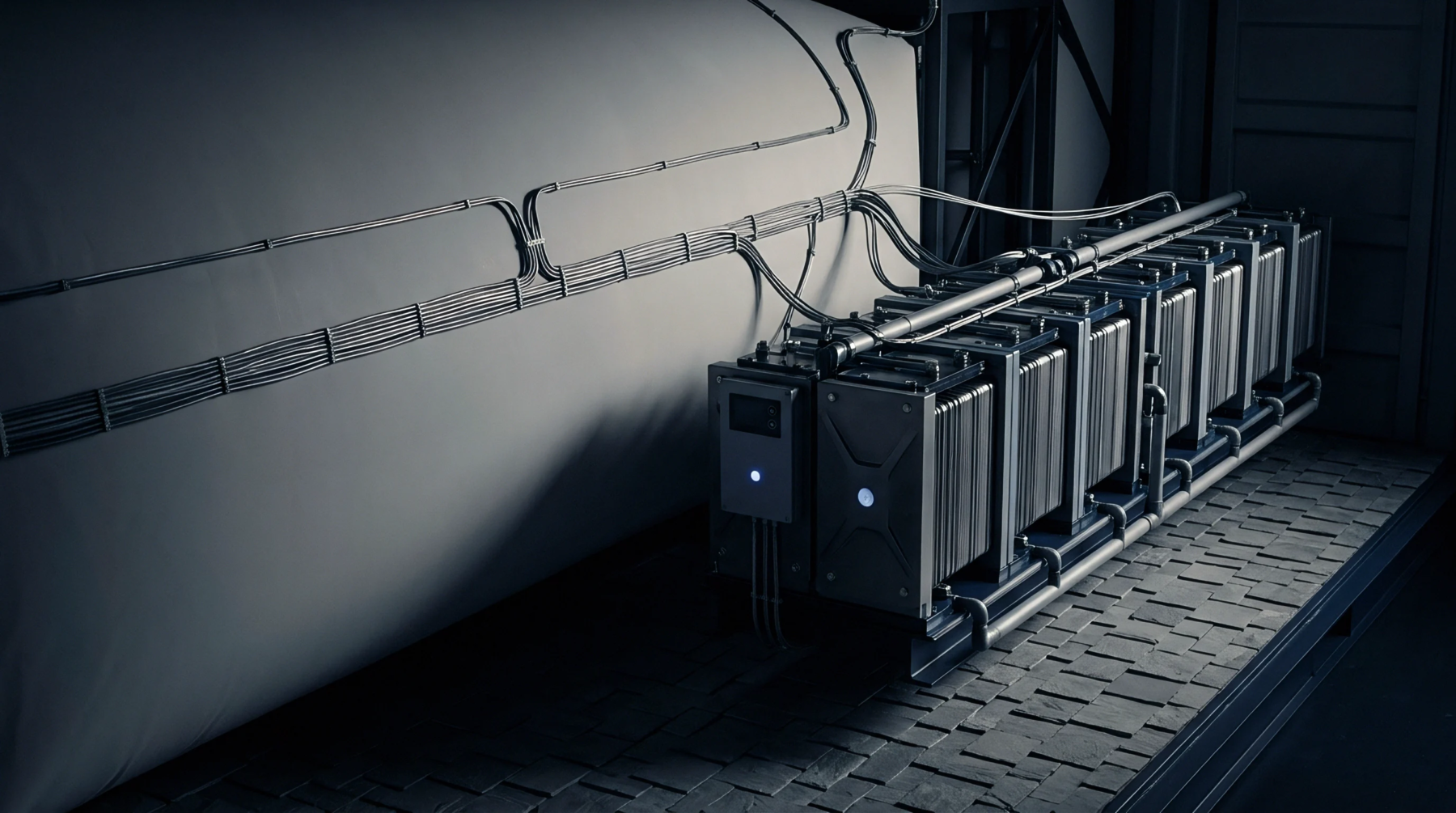
Health assessment methods evaluate the internal health and state of a cell without physically opening or damaging the casing. Implementing non-destructive battery diagnostics allows for the continuous monitoring of energy storage systems while they remain in service. These techniques rely on measuring external electrical, thermal, or acoustic signals to infer the condition of the internal components.
Signal Analysis
Electrochemical impedance spectroscopy provides a detailed map of the internal resistance at different frequencies. This form of non-destructive battery diagnostics can distinguish between the degradation of the electrolyte and the wear on the electrodes. By tracking these values over time, operators can spot early signs of failure.
State Estimation
Sophisticated algorithms use the data from voltage and current sensors to calculate the remaining useful life. Reliable non-destructive battery diagnostics are the basis for the state of health readings found on electric vehicle dashboards. These estimates help prevent unexpected shutdowns and optimize the charging schedule.
Field Application
Testing large packs in the field requires portable tools that can deliver results in minutes. Modern non-destructive battery diagnostics enable second life applications by identifying used modules that are still healthy enough for grid storage. This process extends the economic value of the hardware and reduces waste.