Meaning
Quality assurance procedures verify that manufactured battery cells meet specified electrochemical and mechanical performance standards. Pouch cell qualification evaluates the durability, capacity consistency, and safety profiles of flexible-pouch lithium-ion cells before they are integrated into battery packs. This process involves exposing sample cells to rigorous environmental, electrical, and thermal stresses.
The testing ensures that only high-quality cells with minimal variation are approved for bulk purchasing and pack assembly.
Testing Protocol
Cycle-life analysis, high-temperature storage tests, and safety abuse testing form the core of the validation sequence. During pouch cell qualification, cells undergo continuous charge-discharge cycling at various rates to measure capacity retention. Thermal chamber exposures test their resistance to swelling and internal pressure buildup.
Mechanical Evaluation
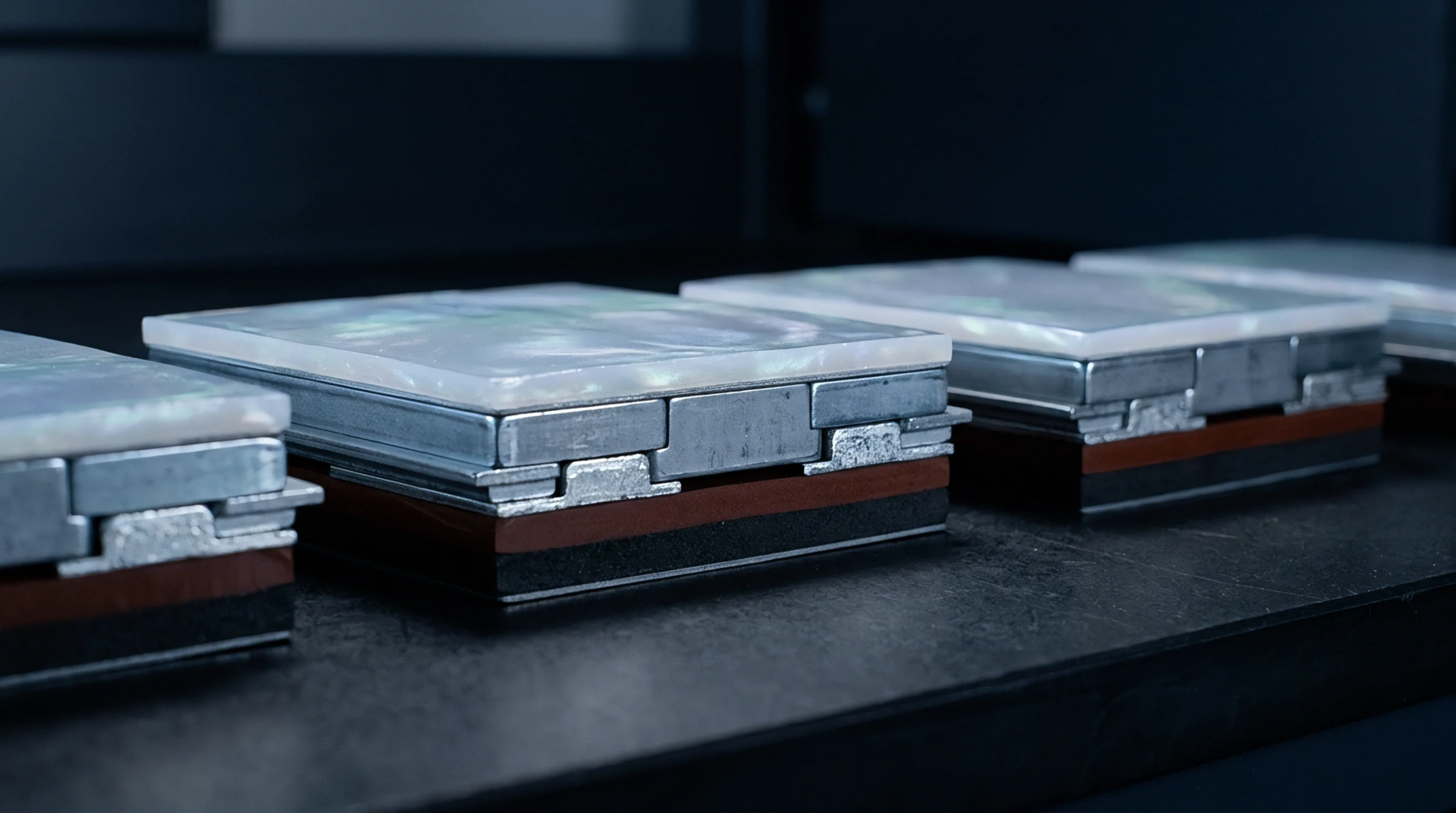
Measuring the physical dimensions and resistance to external compression ensures the cells can withstand the pressure within a pack enclosure. Because of their flexible aluminum-laminate packaging, pouch cell qualification requires careful monitoring of thickness changes over time. Swelling behavior during cycling is measured to design the correct clamping pressure in the module.
This evaluation helps prevent premature fatigue of the outer pouch material and ensures proper heat transfer. It also confirms that the cells will not deform under normal operating pressures, protecting the internal electrode stack from damage.
Procurement Outcome
Comprehensive data sheets and safety certificates generated during the process drive final procurement and warranty decisions. Successful pouch cell qualification reduces the risk of field failures and product recalls for the pack manufacturer. It establishes a baseline of cell behavior that the supplier must maintain across all production batches.
This verified data forms the basis for long-term supply contracts and quality guarantees.