Meaning
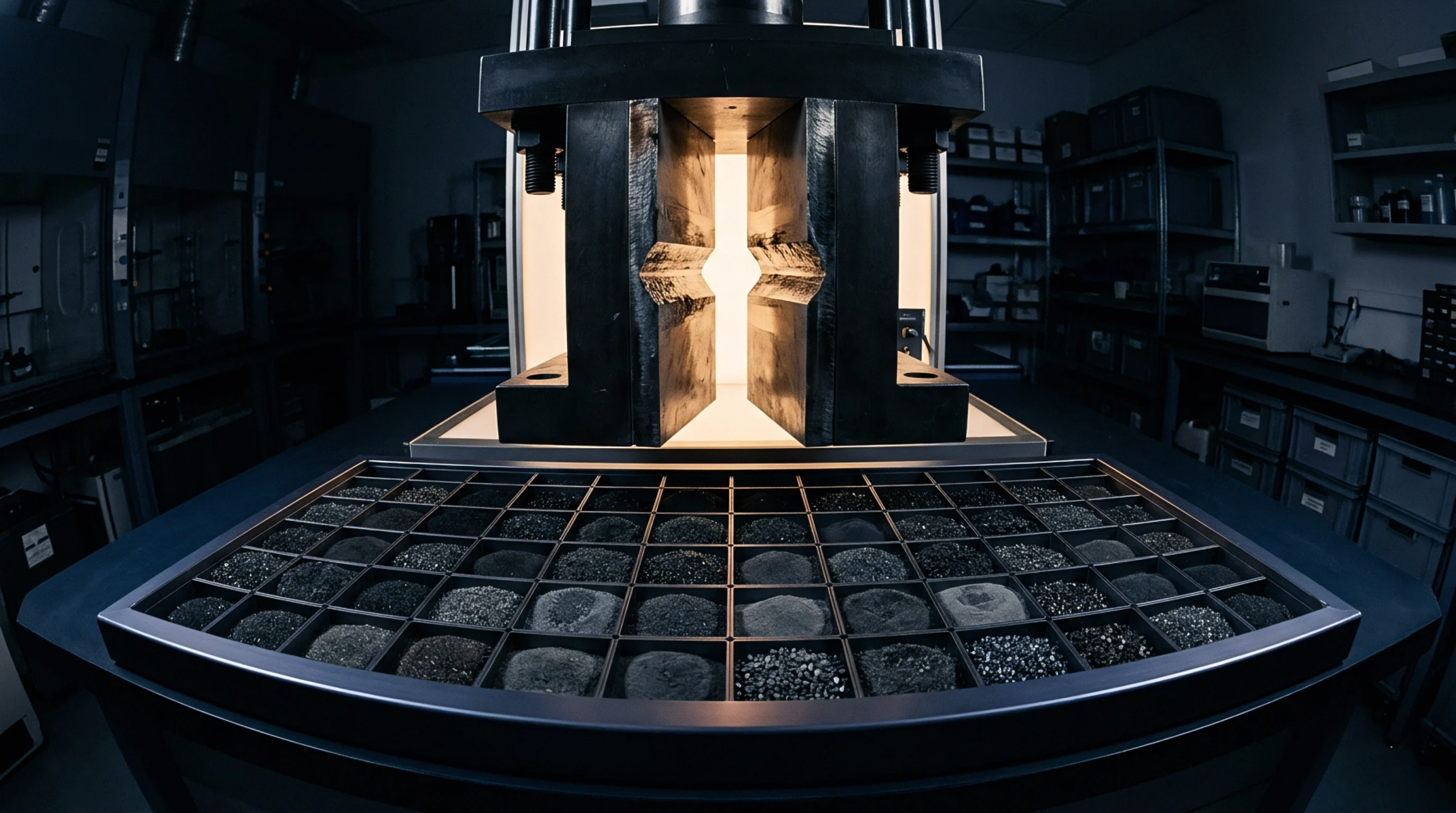
Material transit behavior describes the relative ease with which fine metallic particles move across a horizontal or vertical surface under the influence of gravity. Inside the production container, powder flowability governs the consistency of material delivery into additive manufacturing beds and pressing molds. High values are associated with smooth and reliable feeding which reduces the downtime caused by internal arches or blockages in feeding hoppers.
This property remains valid only as long as the material stays dry and does not experience extreme mechanical compression before use.
Geometric Factors
Particle shape dominates the movement potential because round grains roll past each other with minimal surface resistance. Because powder flowability drops significantly as the grains become more angular or irregular, spherical atomization is usually the manufacturing target for high speed steel materials. Small satellites or rough textures create friction that slows down the passage of the batch through industrial chutes.
High levels of fines can fill the voids between larger grains to create a cohesive bond that prevents movement. Precise control over morphology ensures the product performs correctly in automated client machinery.
Surface Interactions
Intermolecular forces and static electricity can hold grains together even if they are structurally compatible with easy movement. Since powder flowability is sensitive to humidity, many facilities store these materials in vacuum-sealed canisters with desiccants to maintain their properties. Low moisture levels prevent the formation of liquid bridges between individual grains that would cause clumping.
Higher flow levels are often achieved by heating the powder gently to remove adherent surface gases. Consistent environment control allows for predictable transfer rates across different geographical climates.
Process Verification
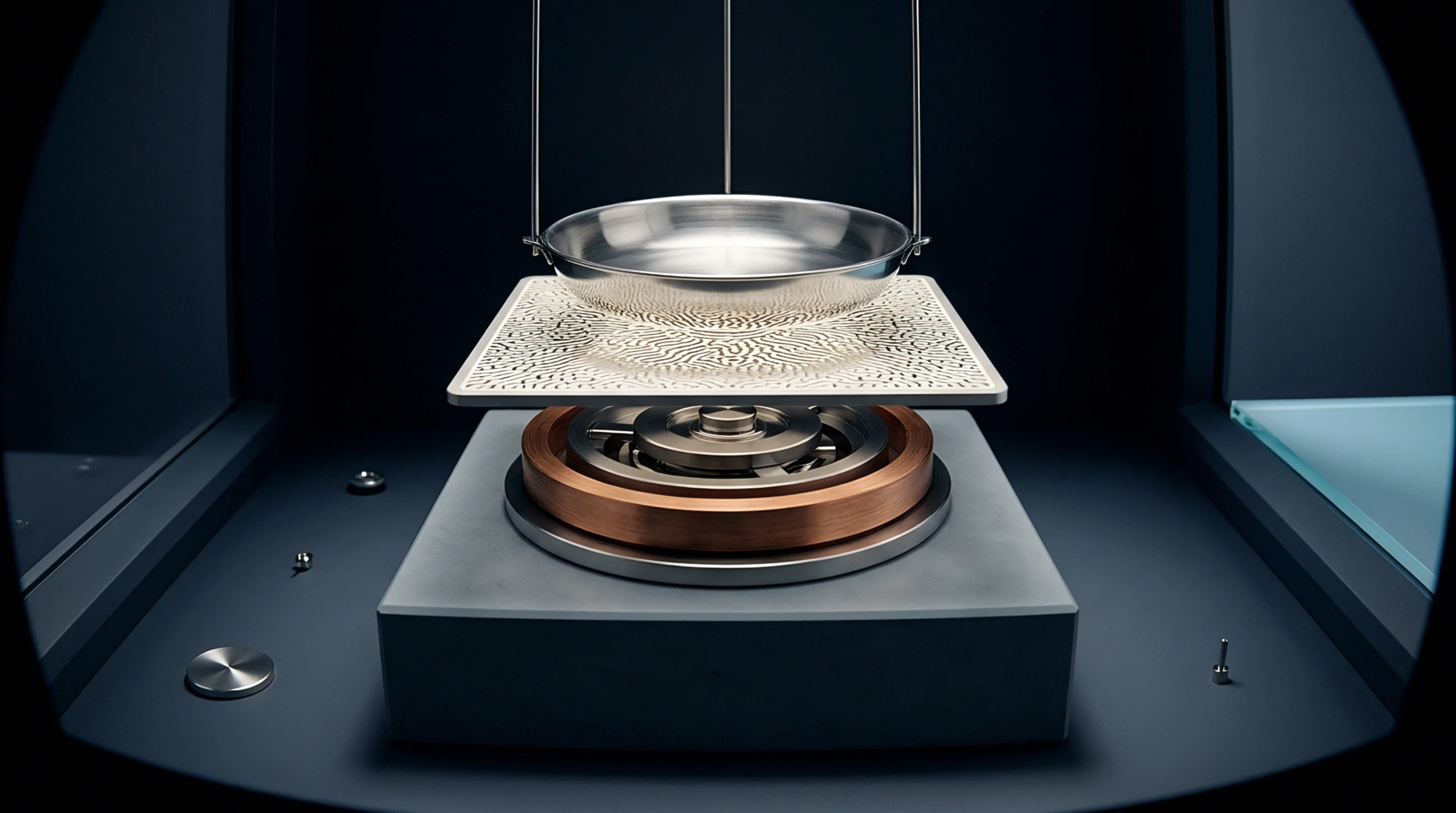
Calibration of feeder devices depends on repeatable data from flow tests to ensure the correct weight of powder enters the machine every second. When powder flowability is unstable, the resulting parts may suffer from hollow zones or weight variations that lead to mechanical failure. Testing involves measuring the time it takes for a fixed volume to pass through standard apertures or measuring the angle of repose.
This metric serves as the final gate for materials entering a precision production line. High speed manufacturing requires powders that move with total predictability under all standard operating loads.