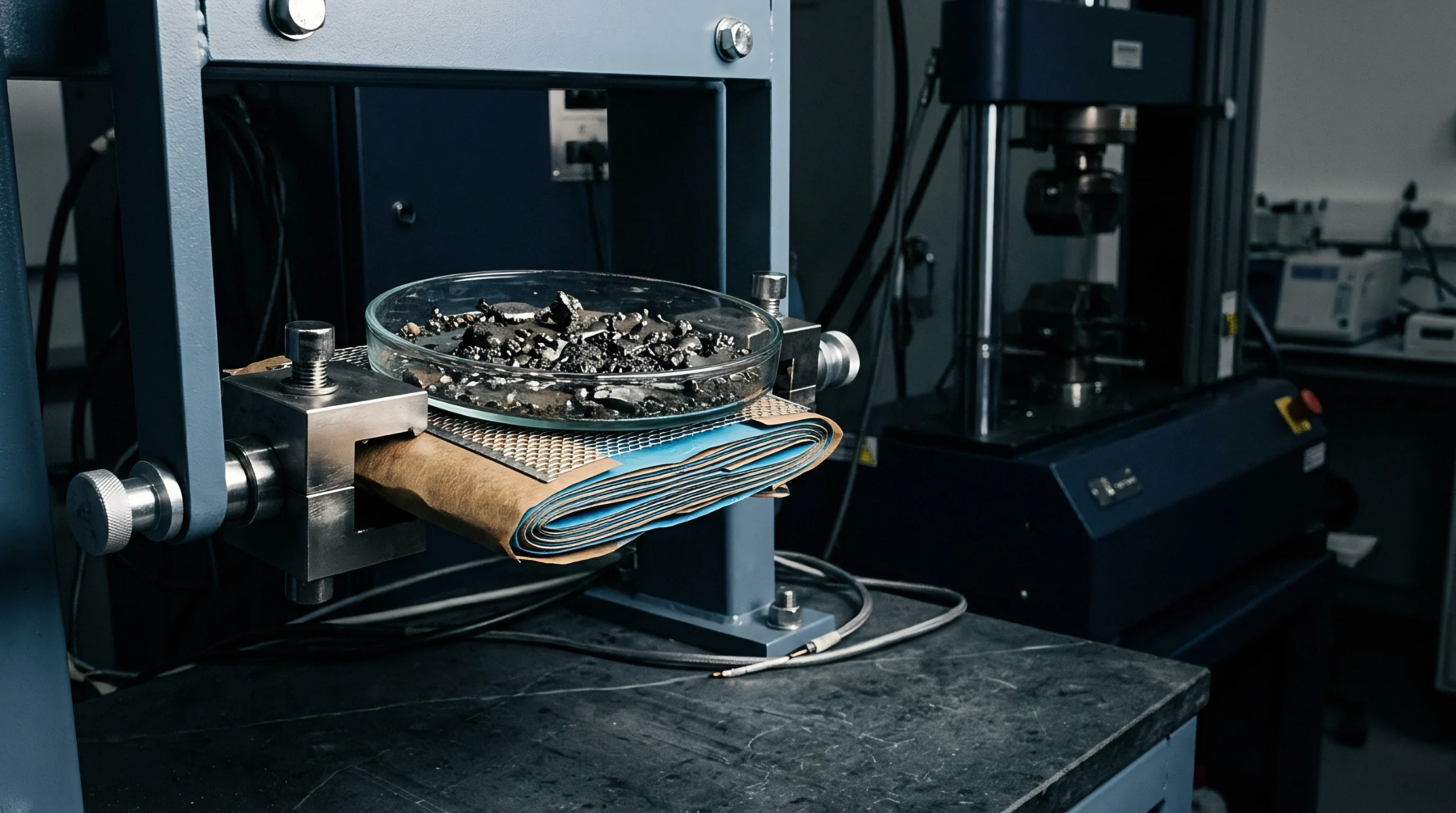
Physical Inspection Methods for Secondary Battery Recycled Precursors
Verify recycled precursor lot quality by coupling laser diffraction, tap density, and Karl Fischer titration to intercept defective cathode active material batches.
Verify recycled precursor lot quality by coupling laser diffraction, tap density, and Karl Fischer titration to intercept defective cathode active material batches.
Solid-state cell import verification requires modified UN 38.3 testing under active stack pressure and UN 3090 dangerous goods compliance.
Supersonic gas jets destabilize liquid metal streams through high-shear wave growth, where tight gas-to-metal ratio tuning maximizes spherical powder yield.
HPDC tooling maintenance liability relies on categorizing wear mechanisms, logging shot telemetry, and establishing per-shot reserve funds in bailment contracts.

Nickel dissolution in high-nickel cells causes anode passivation breakdown, accelerating lithium plating and demanding contractual upper cutoff voltage caps.
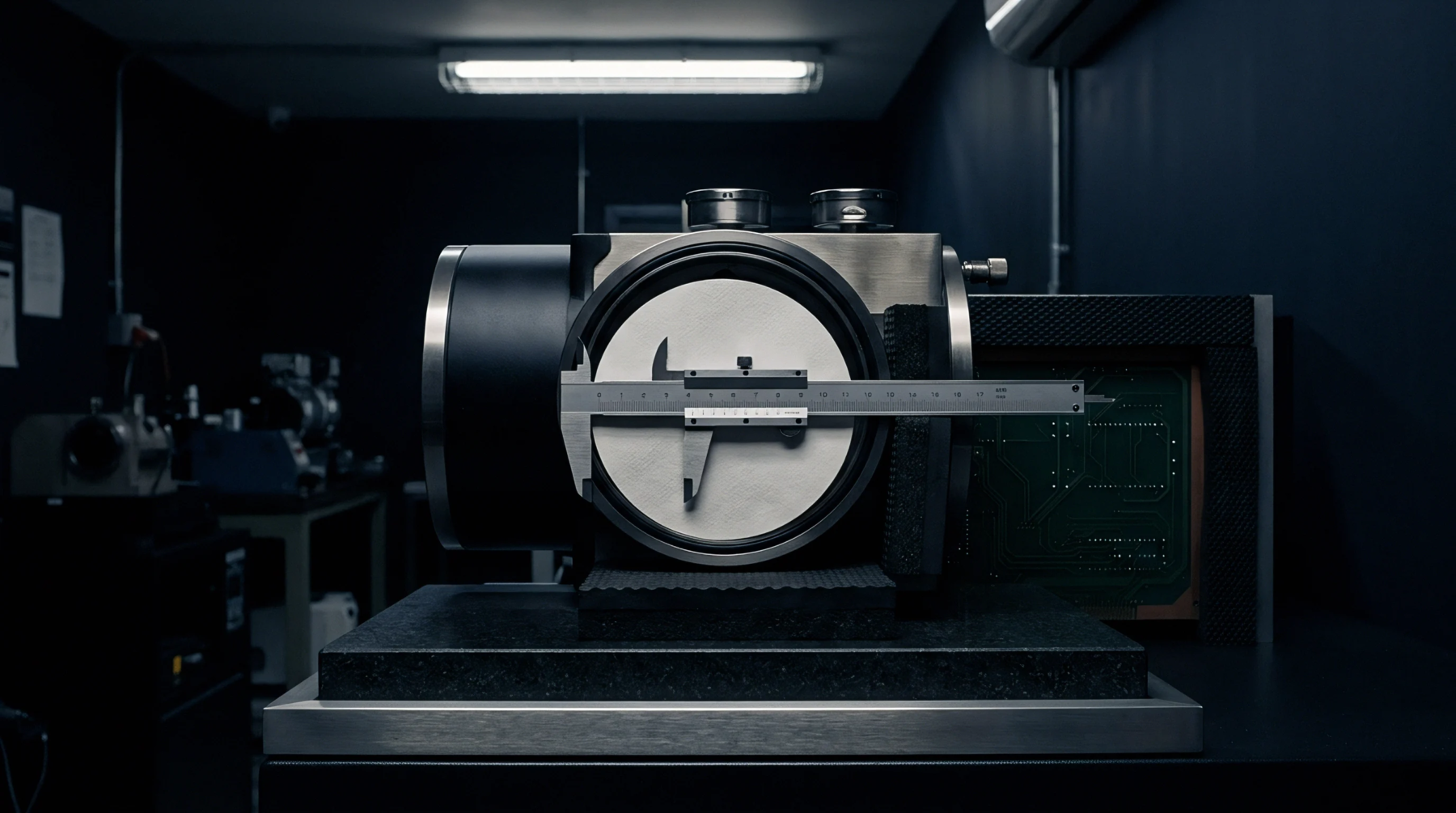
Busbar surface plating integrity requires verified multi-layer thickness control, low internal stress, and zero-defect adhesion to prevent joint degradation.

Sub-zero graphite lithiation causes anode potential drops below 0V vs Li/Li+, triggering metallic lithium plating that demands temperature-dependent BMS current limits.
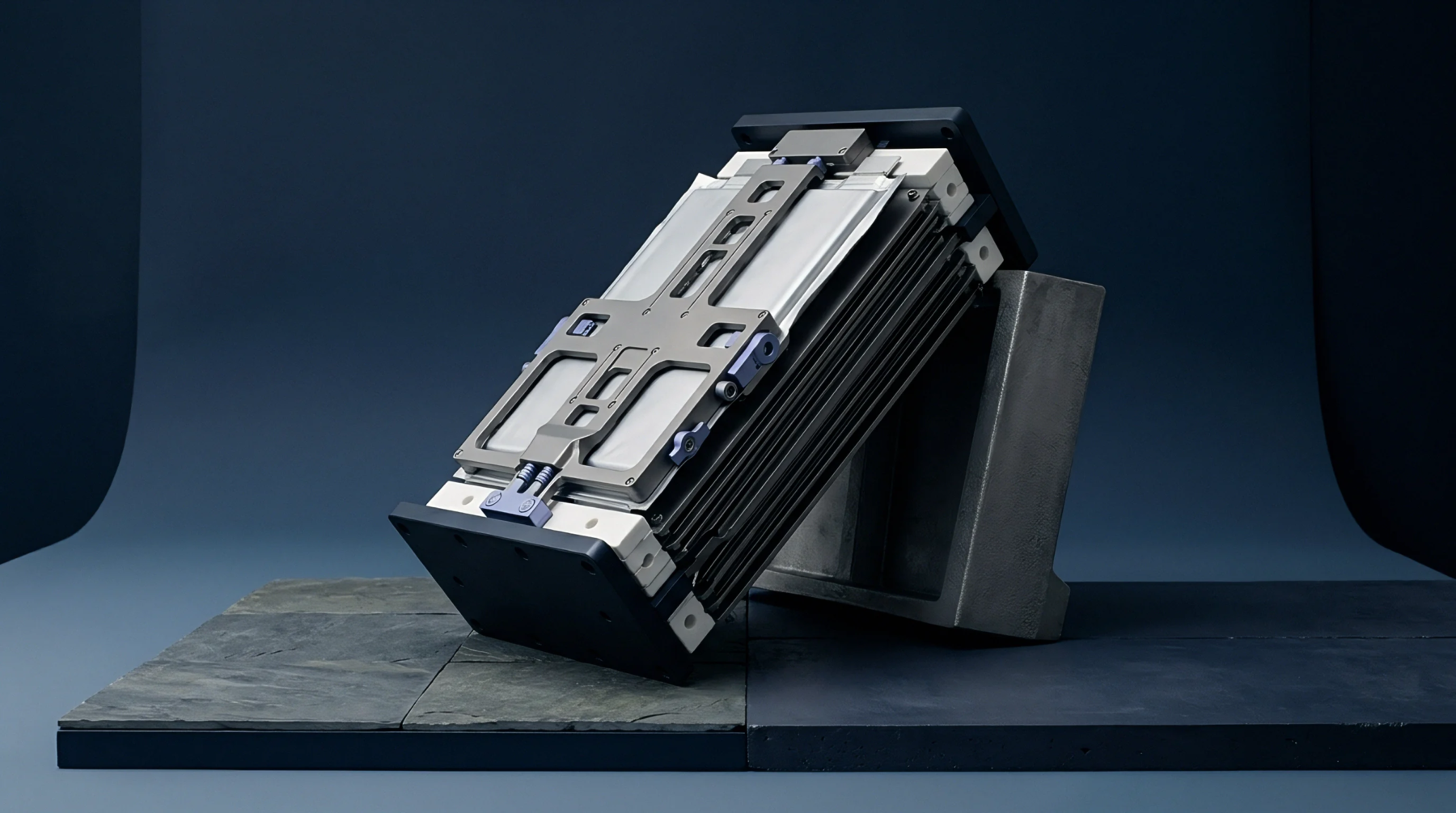
Commercial fleet cell sub-zero degradation claims require laboratory validation under dynamic thermal regimes to prevent premature capacity failure.
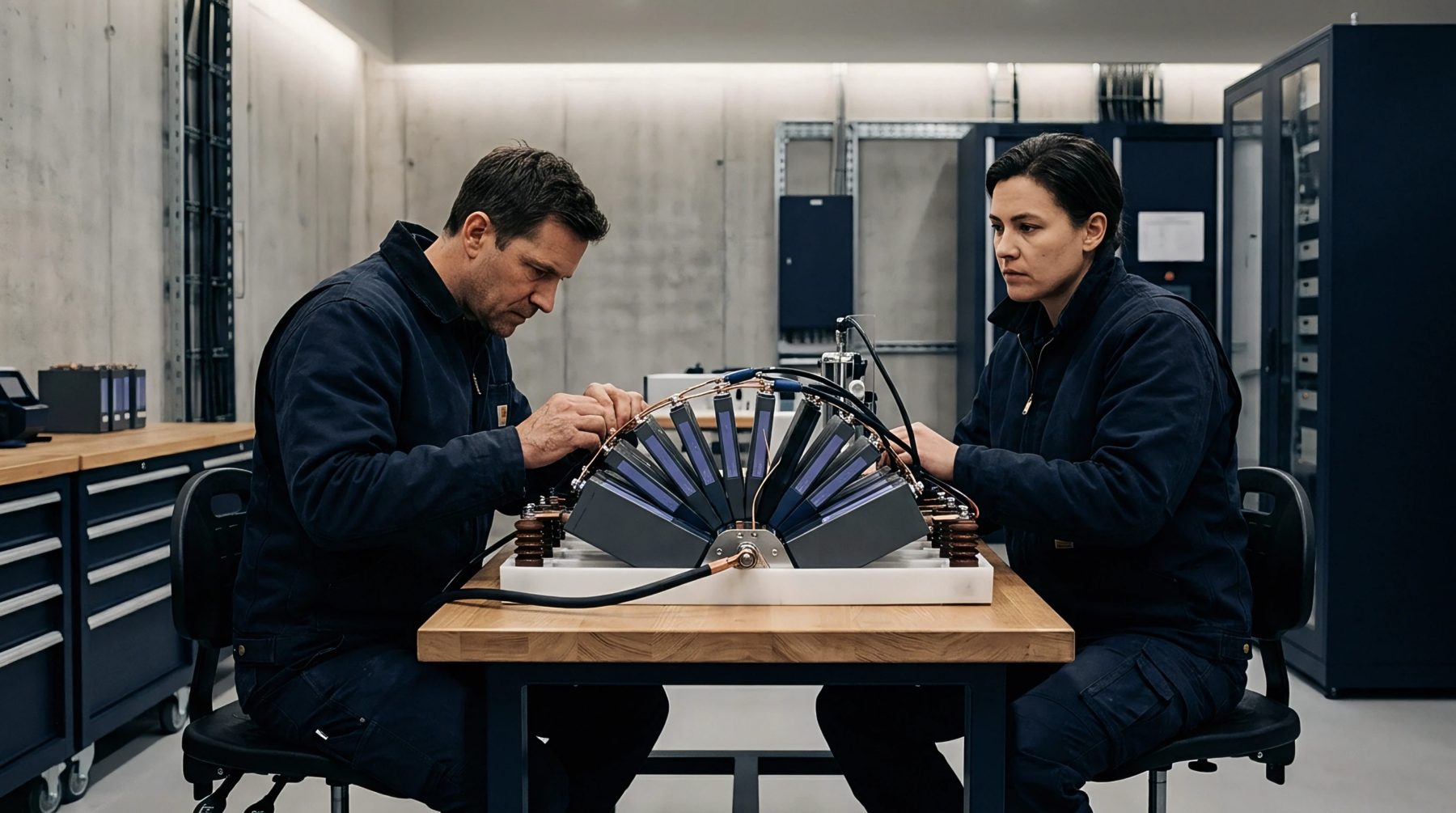
Cold climate warranty enforcement requires temperature-normalized 25°C thermal recovery soaking and cryptographic BMS logging to substantiate degradation claims.
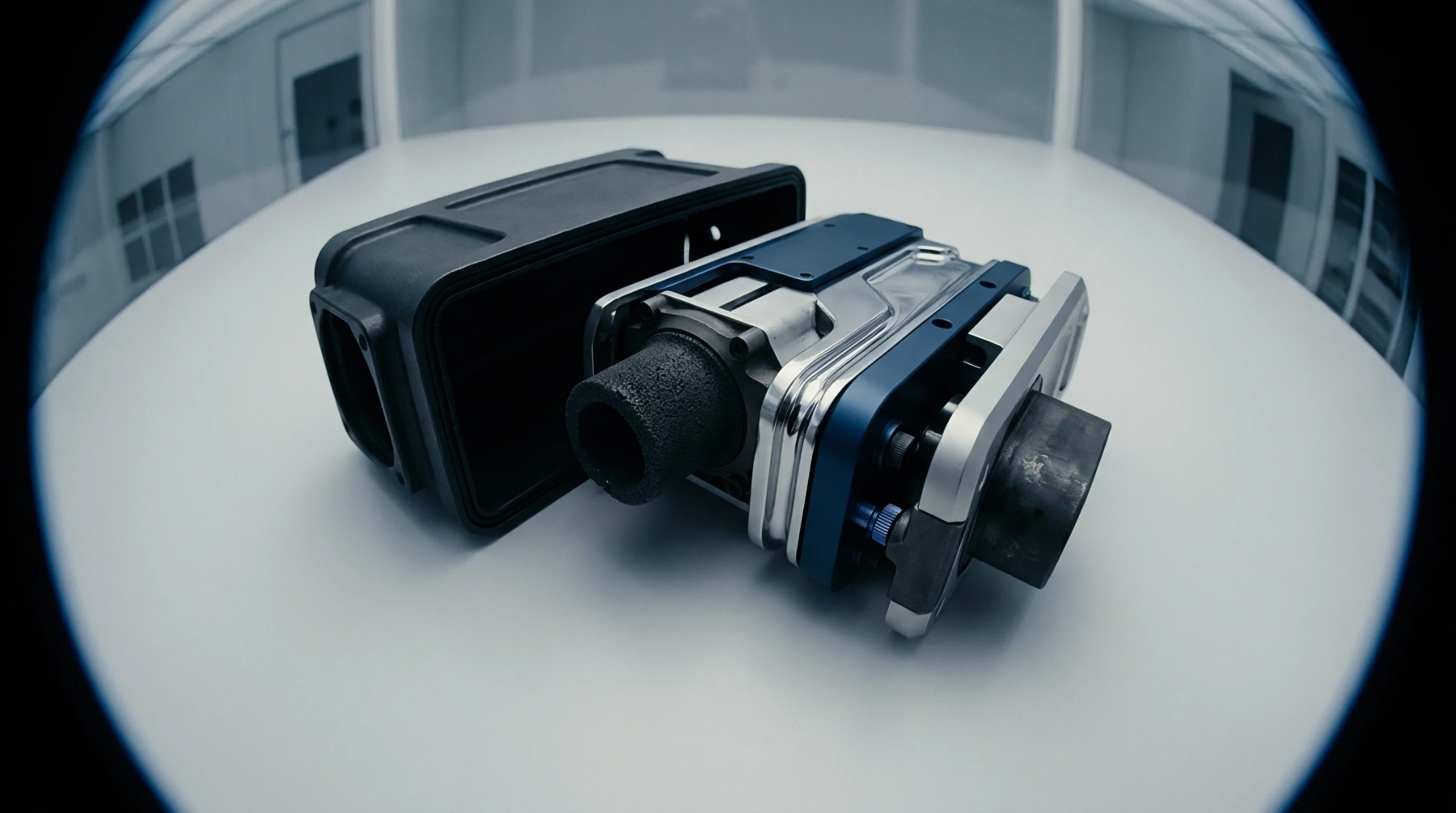
Sub-zero lithium-ion charging without precise current derating triggers irreversible anode plating, driving immediate capacity loss and fire hazards.
Expertise is a utility, not a secret. sentiention™ publishes its working knowledge as open reference: intelligence layer covering the materials it sources, the markets it enters, and the reference that serves both.