Meaning
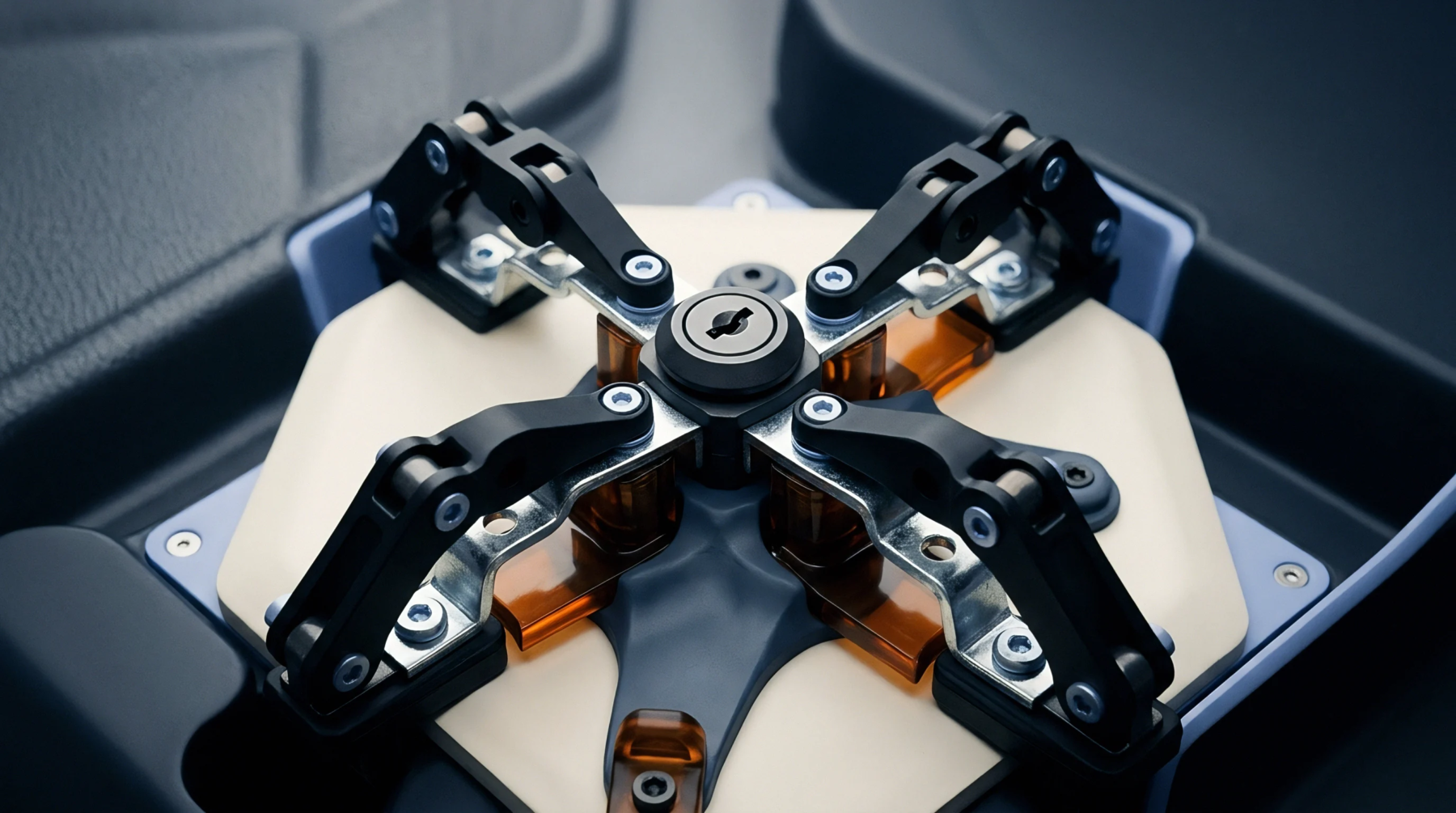
Mechanical pressure applied uniformly across the active area of a battery cell prior to initial electrolyte filling and formation cycling ensures proper interfacial contact between electrode layers. Pre compression force restricts excessive swelling during subsequent high rate cycling by applying an external constraint through clamping plates or housing geometry. Maintaining this boundary condition prevents delamination of coated active materials from current collectors and lowers overall cell internal resistance.
Pressure Gradient
Uniform distribution of mechanical load across the internal stack prevents localized current concentrations that accelerate degradation during high C rate operation. Uneven clamping torque generates pressure gradients across the separator interface, which leads to localized lithium plating and accelerated capacity fade. Cell manufacturers specify a strict clamping pressure tolerance window to balance solid electrolyte interphase stability against mechanical damage to the separator membrane.
Volume Expansion
Intercalation of lithium ions into graphite anodes and transition metal oxide cathodes causes volumetric expansion during charge phases that directly fights the external boundary condition. Pouch cells experience significant thickness changes during cycling, requiring the housing assembly to accommodate breathing without losing the baseline clamping load. Spring loaded fixtures or elastomer pads compensate for internal stack thickness variations while keeping the mechanical restraint within safe operating limits.
Voltage Retention
Consistent mechanical confinement reduces mechanical stress relaxation inside the wound jelly roll or stacked electrodes throughout long term calendar aging tests. Cells subjected to proper external loading exhibit superior capacity retention and lower internal resistance growth over extended cycling periods compared to unconstrained counterparts. Internal resistance stabilization directly correlates with mechanical design parameters because tight physical contact minimizes interfacial impedance between separator layers and electrode faces.