Meaning
An engineered weak point integrated into a sealed electrochemical vessel provides controlled fluid exhaustion when internal containment forces exceed predetermined mechanical thresholds. The pressure relief vent acts as the ultimate mechanical safety feature on prismatic and cylindrical cells, preventing catastrophic casing fragmentation during uncontrolled gas generation events. The scope of this component covers scored metallic foils, calibrated elastomeric seals and burst discs calibrated to open cleanly under internal pneumatic overload.
It excludes continuous semi-permeable membranes designed for passive gas equalization, as well as operational cooling ports that manage external working fluids.
Actuation Mechanics
Gaseous volume expansion inside a failing cell provides the actuation energy that triggers opening. During catastrophic thermal abuse, overcharging or severe internal short circuits, electrolyte vaporization and active material decomposition release copious volumes of volatile gases. As pneumatic pressure inside the rigid can escalates, mechanical strain concentrates at the precisely thinned metal score line or coin-stamped groove of the vent.
Upon reaching the calibrated yield point, typically between zero point five and two megapascals depending on form factor, the metal fractures instantaneously along the groove pattern. This opening action allows pressurized gases, aerosols and vaporized electrolytes to escape in a targeted direction rather than rupturing the main housing.
Pack Integration
Enclosure design must accommodate the exhaust trajectory determined by the cell-level opening geometry. When a pressure relief vent ruptures, the emitted stream contains flammable organic solvents, toxic hydrogen fluoride and solid metallic particles at elevated temperatures. Pack engineers incorporate dedicated exhaust ducts and flame arrestors aligned with cell vent ports to direct effluent away from adjacent functional cells.
Misaligned structural components that block vent clearance can cause backpressure build-up, turning a localized cell venting incident into a broader module rupture.
Manufacturing Validation
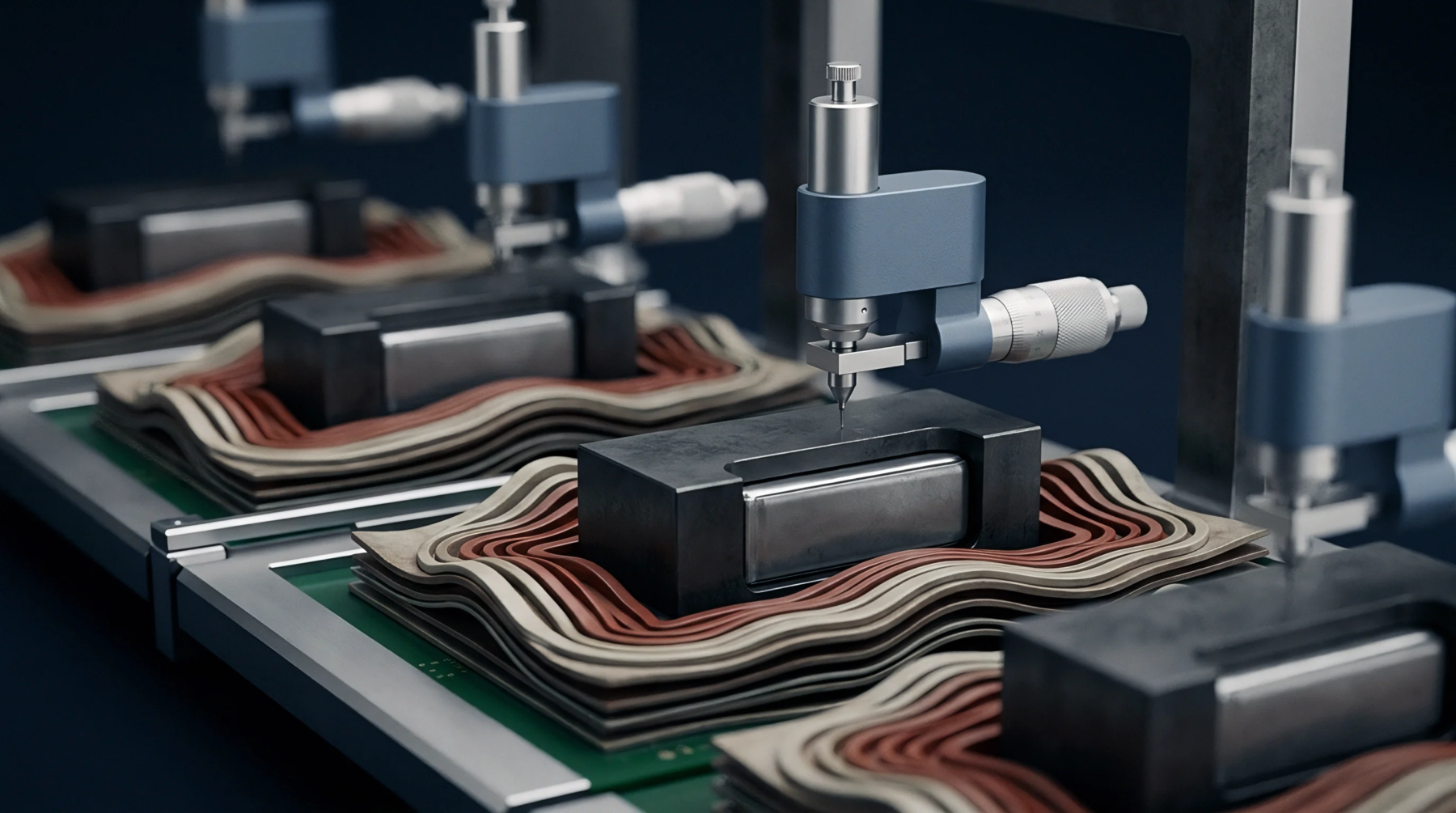
Quality control for safety vent production demands tight dimensional tolerances on scoring depths and metal hardness. Manufacturers verify bursting consistency through destructive pneumatic burst testing on representative lot samples, confirming that opening pressures fall strictly within specified upper and lower statistical process control limits. Cell procurement agreements mandate rigorous vent qualification data, because vents that burst too low cause premature cell drying through solvent leakage, while vents that fail to burst at high pressures trigger violent casing rupture.