Evaluating Cell Parameter Drift Boundaries in Volume Transport Compliance Testing
Verify cell voltage and 1 kHz impedance boundaries at receiving inspection to prevent invalidating UN 38.3 transport dossiers and triggering cargo seizure.


Drift
Incoming cell consignments frequently depart from their factory-certified state before clearing customs. At the manufacturing plant, quality documentation certifies nominal open-circuit voltage, internal resistance at one kilohertz, and dimensional tolerances under ambient factory conditions. Weeks spent in an ISO container or an airport staging facility alter those baselines.
Transport regulations, specifically the UN Manual of Tests and Criteria subsection 38.3, treat qualification as an immutable type-test attribute tied to the UN 38.3 test summary. In practice, receiving inspections show that temperature swings and mechanical vibration shift electrochemical baselines beyond allowable safety margins long before units reach field deployment.
Regulatory frameworks assume tested cell models remain identical to production units over extended shipping timelines, but real transit routes subject cargo to severe environmental stress. Daily self-discharge accelerates inside warm holds, driving cell potential down toward copper dissolution levels while alternating current internal resistance climbs as surface films reorganize on the electrodes. When an incoming lot shows anomalous parameter shifts, compliance issues arise immediately: the dangerous goods declaration certifies cells under UN 3480 against tested baselines, yet the delivered items fall outside that certified design envelope.
A cell exhibiting an open-circuit voltage drop greater than 1.8 millivolts per day at 25 degrees Celsius indicates internal micro-shorting that invalidates the underlying UN 38.3 transport safety clearance.
Voltage drift points to internal degradation. Distinguishing benign thermodynamic relaxation from structural failure requires quantitative monitoring at receiving docks, because a compliance dossier remains valid only while cells stay within the physical and electrochemical limits set during initial type qualification.

Baseline Variance in Certified Formats
Commercial lithium-ion form factors show distinct parameter shifts during multi-week transport. Cylindrical cells with nickel-manganese-cobalt chemistry in 21700 or 18650 steel cans are mechanically stable but lose measurable voltage under high temperatures. Prismatic cells in aluminum housings carry volume compliance risks, as internal gas generation expands cases and alters pack dimensions.
Meanwhile, lithium iron phosphate cells maintain a flat discharge profile between twenty and eighty percent state of charge, which makes voltage a poor indicator of charge state; for these, alternating current internal resistance provides the clearest view into electrode contact and electrolyte distribution.
| Form Factor and Chemistry | Parameter Metric | Certified Baseline Value | Allowable Transport Drift Window | Compliance Reference Standard |
|---|---|---|---|---|
| 21700 NMC 5000 mAh Cylindrical | Open-Circuit Voltage | 3.450 V to 3.480 V (30% SOC) | Minus 15 mV over 30 days | UN 38.3.2.2 / IATA PI 965 |
| 21700 NMC 5000 mAh Cylindrical | ACIR at 1 kHz | 12.5 mΩ ± 1.5 mΩ | Plus 2.0 mΩ maximum | IEC 61960-3 Clause 6.3 |
| Prismatic LFP 100 Ah Aluminum Can | Open-Circuit Voltage | 3.285 V to 3.295 V (30% SOC) | Minus 8 mV over 45 days | UN 38.3.2.2 / IMDG SP 188 |
| Prismatic LFP 100 Ah Aluminum Can | Thickness Dimension | 39.8 mm ± 0.3 mm | Plus 0.6 mm mechanical expansion | IEC 62619 Clause 5.2 |
| Pouch NMC 60 Ah Soft Pack | Mass Retention | 840.0 g ± 2.0 g | Minus 0.05 g maximum loss | UN 38.3 Test T.2 / T.4 |
| Pouch NMC 60 Ah Soft Pack | DCIR (10s current pulse) | 0.85 mΩ ± 0.08 mΩ | Plus 0.15 mΩ maximum | IEC 62133-2 Clause 7.3 |
Divergence from these limits jeopardizes compliance paperwork. When an airline agent checks state of charge under International Air Transport Association Packing Instruction 965 Section IA, they measure cell voltage and map it through the manufacturer’s state-of-charge curve. A cell dispatched from Shenzhen at twenty-eight percent state of charge might read thirty-two percent at destination if temperature swings shift electrolyte conductivity and surface charge, or it might drop below stable passivation voltage ~ either way leaving the importer exposed to regulatory penalties.
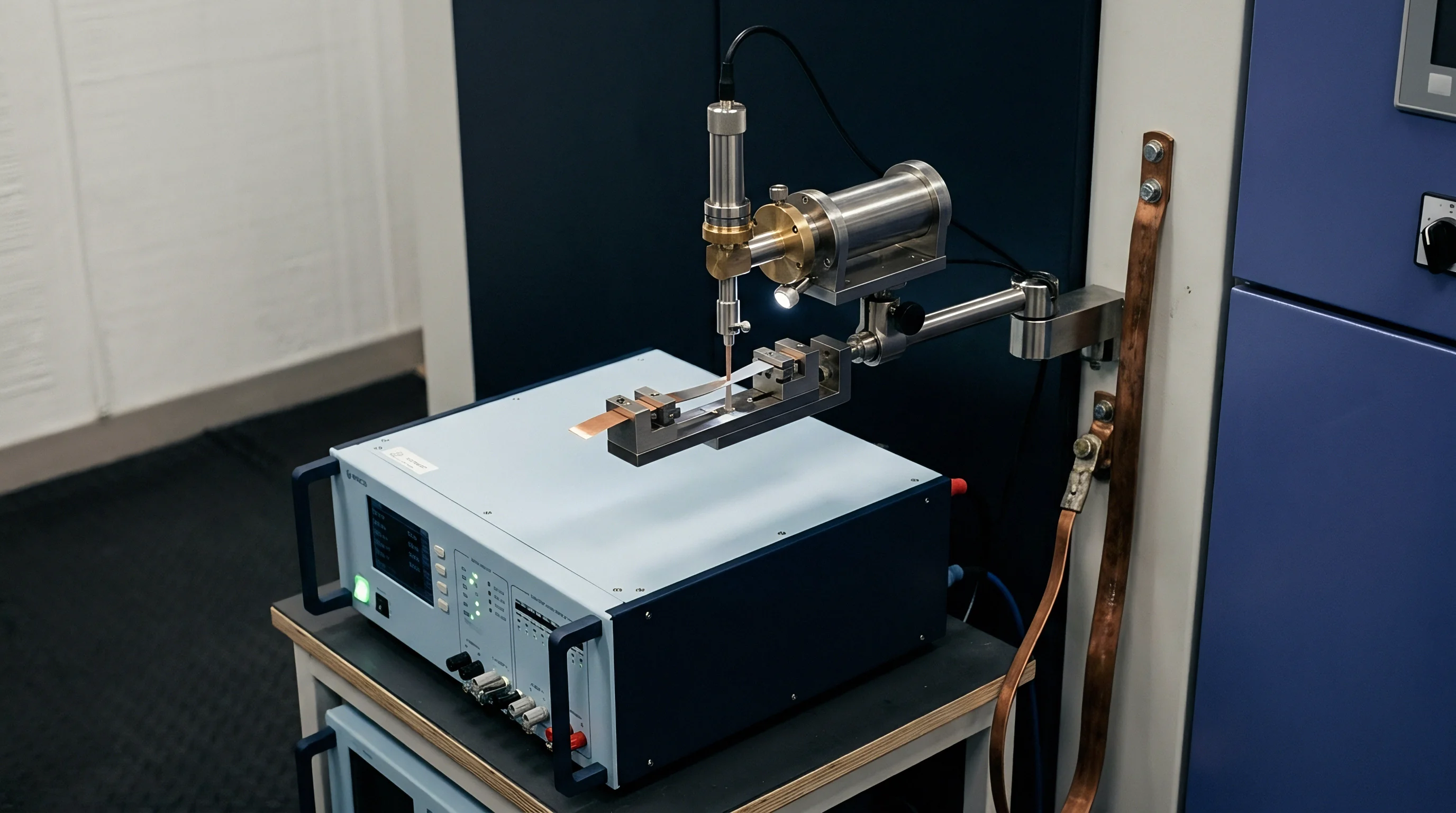
Direct Measurement of Electrochemical Relaxation
Evaluating parameter changes requires separating temporary physical relaxation from permanent cell degradation. Freshly manufactured cells take several weeks after formation cycling for the solid electrolyte interphase to stabilize. Dispatching cells right after electrolyte fill and primary formation pushes this stabilization window into transit.
During rest, terminal voltage drifts down as concentration gradients inside the porous active material equalize, which is why receiving protocols require twenty-four hours of thermal conditioning at twenty degrees Celsius before reading compliance metrics.
Skipping this thermal stabilization step triggers false positives during receiving audits. A consignment tested right after unloading from a cold container shows elevated internal resistance that looks like a manufacturing defect, yet the same batch measures within limits once the jelly roll core reaches room temperature. Test plans establish settling periods specifically to avoid unwarranted rejections while catching true chemical flaws.
A stable voltage plateau confirms that internal isolation remains sound.

Vibration
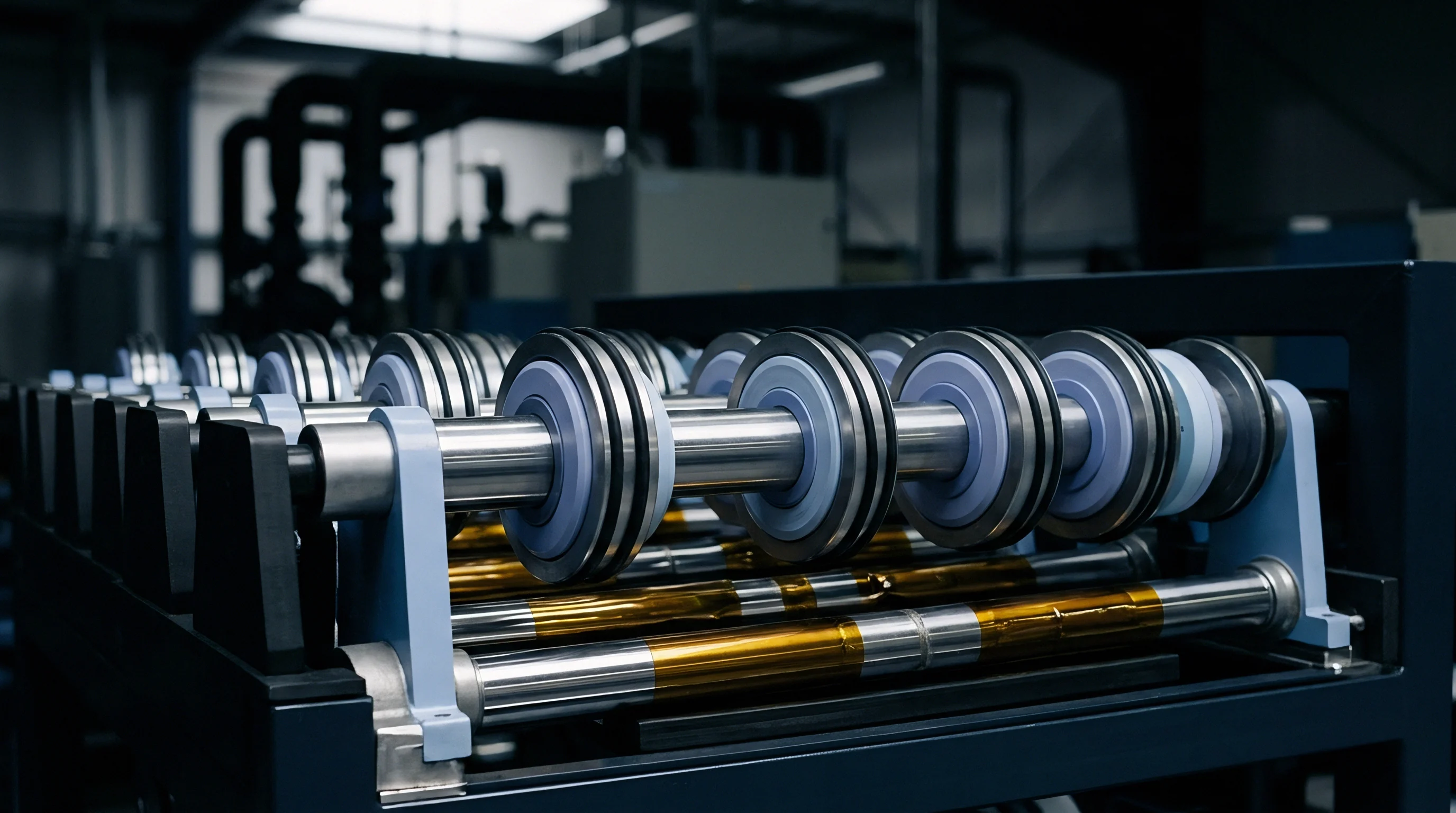
Dynamic forces during ocean, air, and highway freight subject cells to cyclic stress that damages internal architecture. UN 38.3 Test T.3 applies a sinusoidal sweep from seven hertz to two hundred hertz, completing a twelve-octave logarithmic cycle every fifteen minutes across three orthogonal axes. Actual transit rarely matches laboratory sinusoids: intermodal freight exposes crated cells to broad-spectrum random vibration, high-amplitude rail shunts, and low-frequency vessel hull resonance, all of which stress internal collector tabs, coated foil ribbons, and terminal welds.
Internal tab fatigue causes erratic impedance shifts without visible exterior damage. If the ultrasonic or laser weld connecting an internal copper or aluminum tab to the terminal rivet begins to crack, the cell holds open-circuit voltage even as its high-current capacity collapses. Audits relying solely on digital multimeters miss this entirely; applying an alternating current milliohm meter highlights elevated ohmic resistance, warning inspectors that the lot presents a fire hazard under subsequent mechanical shock.
Dynamic transport vibration unseats weak ultrasonic welds, producing intermittent open-circuit faults that bypass simple continuity tests.
Transit vibrations loosen internal tab connections, creating unstable impedance profiles that spike under thermal cycling.

Dynamic Mechanical Spectra versus Standard Schedules
The gap between laboratory test profiles and real-world transport creates compliance blind spots. UN 38.3 Test T.4 calls for a half-sine shock pulse of one hundred fifty gravity units for small cells and fifty gravity units for large cells over eleven milliseconds. Ocean container transport, by contrast, subjects cargo to irregular, low-gravity acceleration that lasts for weeks.
Constant wave slap causes continuous fatigue between one and five hertz, shifting internal jelly rolls inside cylindrical cans.
Pouch cells are particularly susceptible to dynamic mechanical fatigue. Lacking rigid outer cans, they depend on box compression plates to hold internal layers still. If packaging clamping pressure is too low, relative movement occurs between the separator membrane and coated electrode sheets.
This friction wears down ceramic separator coatings, creating localized micro-shorts that show up as high self-discharge rates upon port arrival.
Transport damage causes distinct electrical and dimensional failures across landed shipments:
- Terminal stud resistance growth occurs when continuous highway vibration loosens threaded brass terminals, shifting contact resistance upward by more than thirty percent over original factory torque values.
- Cathode delamination develops as sustained ocean hull resonance shears brittle high-nickel positive electrode particles from the aluminum current collector foil, elevating bulk charge-transfer resistance.
- Separator puncture emerges when unsupported pouch cells slide within oversized shipping dunnage, driving burred foil edges directly through ten-micrometer polymer membranes.
- Mandrel displacement appears in cylindrical formats when vertical drops jar the internal winding core, pressing the lower foil edge into direct contact with the negative steel can bottom.
Delamination breaks the conduction path. While laboratory testing proves survival under clean mechanical sweeps, receiving inspection must verify that lots survived actual transit conditions before releasing cartons downstream.
Should Mechanical Relaxation Invalidate Pre-Shipment Impedance Baselines?
Electrode stacks settle after packaging, shifting internal impedance slightly without compromising safety. As cells experience initial transit handling, contact points between active material particles and carbon additives shift. This movement often causes a minor drop in alternating current impedance during the first seven days of transit, followed by steady upward drift as interfacial chemical layers thicken.
The key is distinguishing structural tab damage from normal mechanical settling.
Establishing clear tolerance boundaries resolves this during receiving audits. If a lot shows impedance changes within twelve percent of pre-shipment values and retains baseline voltage, the shift is acceptable settling. An impedance jump over twenty-five percent alongside a drop in open-circuit potential indicates permanent internal damage that invalidates the original UN 38.3 conformity statement.
Suppliers routinely dismiss post-transit resistance spikes as harmless settling that will self-correct during initial formation charging.


Vent
Gas generation and vent seal integrity dictate whether an aging batch remains safe for air or ocean transit. Qualified lithium-ion cells include pressure relief mechanisms, from scored exhaust vents on cylindrical bottom discs to resealable rubber grommets or scored aluminum foils on prismatic headers. UN 38.3 Test T.2 evaluates seal hermeticity under thermal shock between seventy-two degrees Celsius and minus forty degrees Celsius.
In bulk transport, low ambient hold temperatures combined with reduced cargo bay pressures constantly challenge these seals.
Hermetic integrity determines operational safety. If internal pressure cracks a vent score prematurely, organic carbonate solvents escape into outer packaging. The resulting loss of liquid alters internal chemistry and lets ambient moisture enter.
Moisture reacting with exposed lithium hexafluorophosphate produces hydrofluoric acid, which corrodes internal current collectors and accelerates active material loss. A breached seal transforms a stable cell into an active hazardous goods violation, forcing immediate quarantine.

Hermetic Seal Failure Mechanics under Stress
Pressure drops in unpressurized lower cargo holds create significant pressure differentials across vent discs. Standard aircraft compartments operate at pressures equivalent to eight thousand feet altitude, generating about thirty kilopascals of internal overpressure against the seal. Poor crimps or out-of-tolerance laser welds fail under this pressure difference, especially when ambient temperatures fluctuate.
Pouch cells fail differently along heat-sealed polymer edges. High temperatures inside ocean containers soften the polypropylene layer, and as moisture enters through the weakened seal, internal gas causes pouch expansion. Excessive swelling alters outer carton dimensions, exerting physical pressure that crushes adjacent cells inside the crate.
Seal failures and solvent loss cause predictable issues across volume shipments:
- Electrolyte solvent evaporation reduces internal liquid volume, driving up interfacial charge-transfer impedance and causing dry spots on separator surfaces.
- Moisture ingress initiates chemical breakdown of the conductive salt, generating acidic byproducts that corrode internal copper foil collectors.
- Terminal corrosion develops when vented acidic vapors react with nickel-plated external tabs, forming non-conductive metal salts that ruin automated welding operations.
- Atmospheric oxygen intrusion triggers chemical oxidation of delithiated cathode materials, inducing localized thermal spikes that compromise carton integrity.
Moisture degrades the fluorinated salt, turning a compliant cell into dangerous cargo. Checking physical seal integrity prevents compromised lots from being loaded onto commercial flights.

Solvent Evaporation and Mass Loss Detection
Gravimetric testing provides definitive proof of seal containment. UN 38.3 compliance sets exact mass loss thresholds based on cell weight: 0.5 percent for cells up to one gram, 0.2 percent for cells between one gram and seventy-five grams, and 0.1 percent for cells over seventy-five grams. Receiving audits enforce these limits on incoming shipments.
Weighing sample cells on an analytical balance before and after transit catches minor electrolyte loss that visual checks miss. A fifty-ampere-hour prismatic cell weighing roughly one thousand four hundred grams cannot lose more than 1.4 grams of electrolyte without violating its transport certificate. Loss beyond this limit signals an active seal breach, triggering an immediate stop-shipment order at the port of entry.
Accepting cells with unseated vents leads directly to cargo fires, catastrophic vessel forfeitures, and immediate cancellation of marine indemnity coverage.

Storage
Extended warehousing at transit hubs causes parameter drift that complicates dangerous goods compliance. Port congestion, customs holds, and intermodal transfers frequently stretch transit from two weeks to three months. During these delays, cells self-discharge at rates set by temperature, cathode formulation, and separator quality.
The International Civil Aviation Organization and IATA cap state of charge at thirty percent for standalone shipments under UN 3480, Packing Instruction 965. Managing drift across long storage ensures cells do not exceed this limit or drop below minimum voltage thresholds.
The forwarder halts the flight when cells presented at airport acceptance exceed thirty percent state of charge ~ reading thirty-two percent on open-circuit voltage tests. Conversely, cells that drift too low undergo copper dissolution: below 1.5 volts, the negative copper collector oxidizes into soluble ions that migrate across the separator. Subsequent charging deposits metallic copper dendrites across separator pores, causing internal short circuits.
Compliance testing preserves safety margins at both extremes.
A storage temperature shift from twenty degrees to forty-five degrees Celsius triples the self-discharge rate, consuming transport safety margins within three weeks of ocean transit.
Cold storage slows degradation kinetics, limiting the parasitic reactions that threaten transport safety baselines.

Thermal Acceleration of Parasitic Reactions
Temperatures inside metal containers on exposed docks frequently top fifty-five degrees Celsius, accelerating parasitic side reactions at electrode interfaces. The solid electrolyte interphase on graphite anodes thickens, consuming cyclable lithium and releasing hydrocarbon gases. This reaction draws down terminal voltage while increasing alternating current internal resistance.
| Transit Scenario and Duration | Mean Ambient Temp | Mean OCV Drift (NMC) | Mean ACIR Drift | Compliance Status Under IATA PI 965 |
|---|---|---|---|---|
| Air Freight Standard (14 Days) | 20 °C | Minus 4 mV | Plus 0.3 mΩ | Compliant: Voltage within 30% SOC band |
| Ocean Freight Standard (35 Days) | 25 °C | Minus 12 mV | Plus 0.8 mΩ | Compliant: Stable passivated interfaces |
| Tropical Port Delay (60 Days) | 40 °C | Minus 42 mV | Plus 2.6 mΩ | Non-compliant: High impedance drift |
| Desert Rail Staging (45 Days) | 50 °C | Minus 88 mV | Plus 5.1 mΩ | Critical non-compliance: Copper dissolution risk |
| Refrigerated Reefer Transit (45 Days) | 10 °C | Minus 2 mV | Plus 0.1 mΩ | Compliant: Minimal interfacial growth |
Impedance growth can lead to thermal runaway. When degraded cells undergo mandatory post-transit discharge testing, high internal resistance causes localized Joule heating that weakens the separator and triggers thermal runaway. Temperature-controlled warehousing preserves the baseline certifications established at manufacture.
State of Charge Drift Boundaries
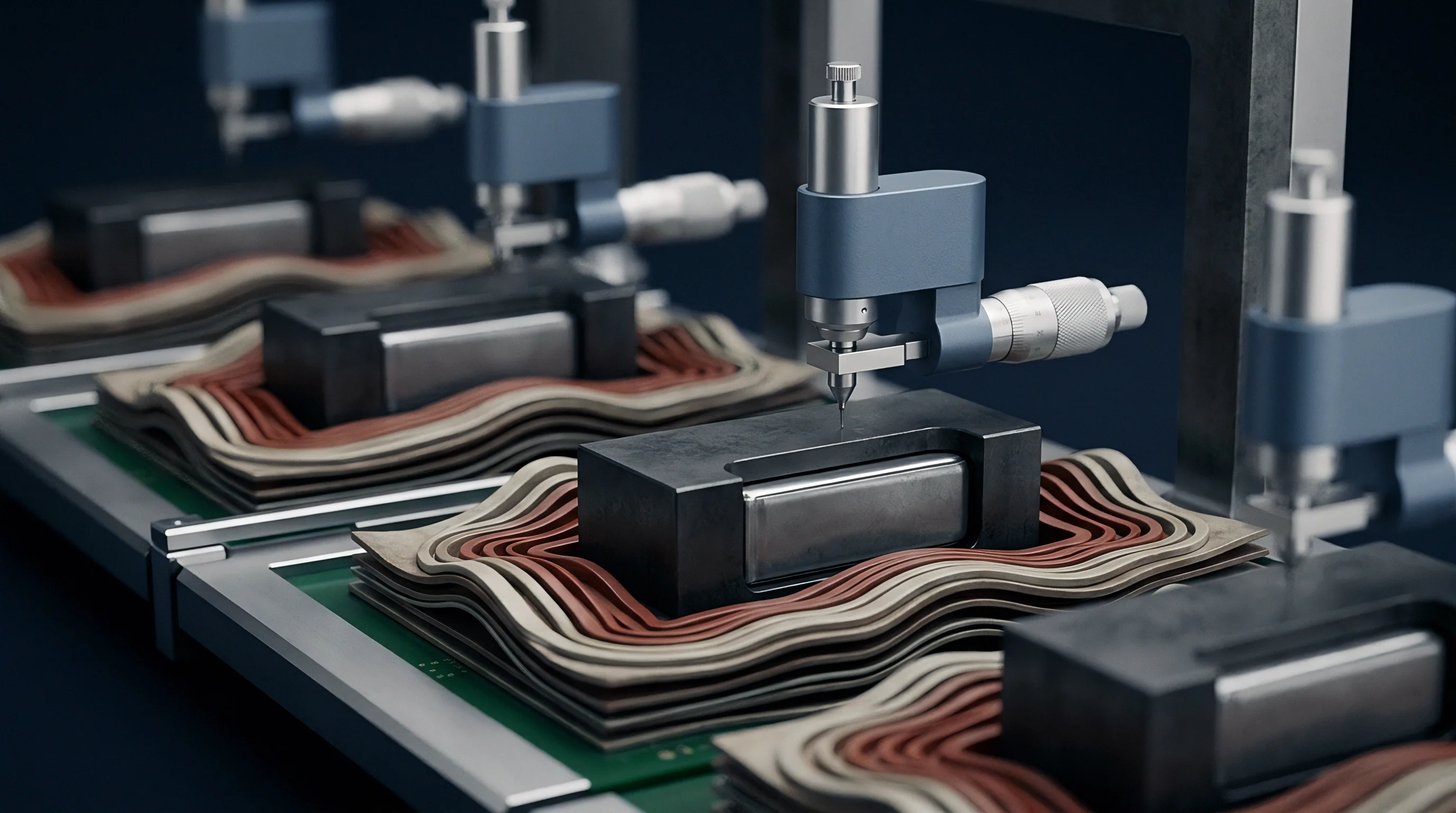
Verifying charge state requires calibrated open-circuit voltage measurements and temperature compensation. Auditors checking pre-shipment clearance use a structured sequence to confirm parameter stability:
- Quarantine the incoming sample lot inside a climate-controlled inspection bay at twenty degrees Celsius for twenty-four hours to dissipate transit thermal gradients.
- Measure the open-circuit voltage across cell terminals using a calibrated six-and-a-half-digit digital voltmeter with input impedance exceeding ten gigaohms.
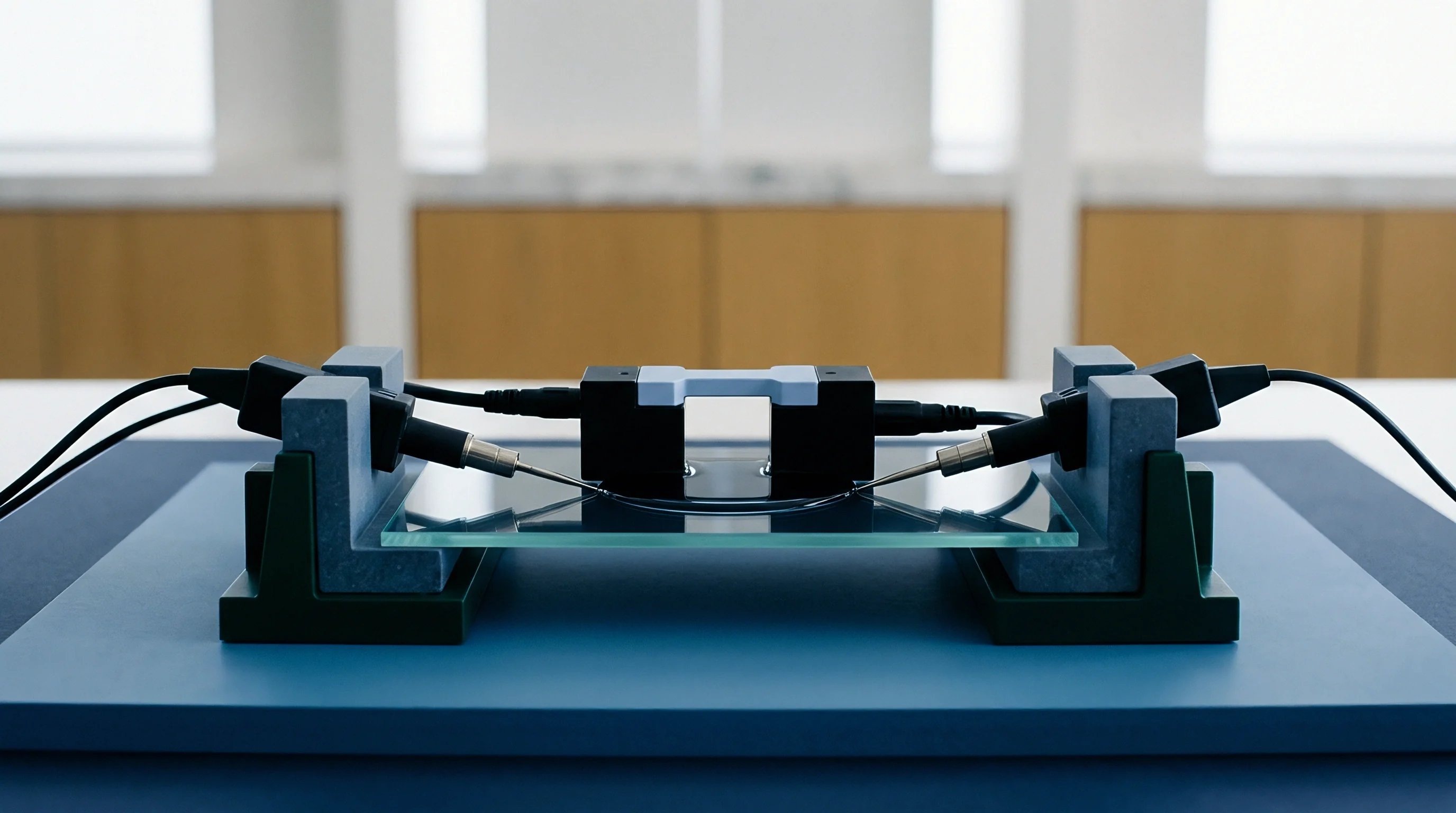
- Record the alternating current internal resistance at one kilohertz using a four-wire Kelvin test fixture to eliminate lead resistance errors.
- Cross-reference measured voltage values against the chemical-specific open-circuit voltage lookup table supplied in the factory compliance dossier.
- Calculate the K-value self-discharge metric by dividing the measured voltage drop by the elapsed calendar days since initial factory grading.
- Reject any carton containing cells with a K-value exceeding 2.0 millivolts per day or an absolute open-circuit voltage indicating a state of charge greater than thirty percent.
The airline rejects the container if non-compliance is detected. Dock testing protects shippers from flight cancellations, and documenting verified baseline compliance before dispatch guards against dangerous goods enforcement penalties.
Special Provision 188 of the International Maritime Dangerous Goods Code grants transport exemptions only when cell parameters remain strictly within design ratings throughout carriage.

Requalification
Determining when parameter drift exceeds normal aging and requires retesting is a major challenge in battery supply chains. Section 38.3.2.2 of the UN Manual of Tests and Criteria outlines design changes that invalidate test summaries: shifts over 0.1 grams or twenty percent in cell mass, a change exceeding ten percent in nominal open-circuit voltage, or alterations to cathode, anode, or electrolyte formulations require complete recertification under UN 38.3. While routine drift falls below these thresholds, severe batch variation creates similar operational hazards.
The consignor bears full costs if an audit shows average internal resistance has drifted fifty percent above the UN 38.3 test report value, as the original test evidence can no longer be assumed valid. High impedance affects performance during Test T.5 external short-circuit testing, where elevated resistance lowers peak current but increases core temperature. This alters the thermal profile from initial laboratory testing, leaving the shipper liable for non-compliance.
A twenty-five percent shift in cell internal resistance alters peak current dissipation during short-circuit testing, nullifying the technical validity of the existing UN 38.3 type-test report.
Unverified lots risk catastrophic failure; when parameters drift outside documented engineering tolerances, shipping authorization dissolves.

Which Specific Deviation Forces Complete Regulatory Retesting?
Distinguishing routine batch variation from triggers requiring mandatory recertification calls for clear engineering criteria. Production lines naturally see minor shifts in raw materials, binder grades, and slurry viscosity. When an incoming shipment falls outside standard quality limits, importers must determine whether the shift constitutes a formal design change under regulatory rules.
| Monitored Cell Parameter | Normal Batch Tolerance | Secondary Testing Boundary | Mandatory Retest Trigger |
|---|---|---|---|
| Mass Variance | ± 1.5% of nominal | ± 3.0% of nominal | Exceeds 20% or 0.1 g (UN 38.3.2.2) |
| Open-Circuit Voltage (Fresh) | ± 0.5% of target SOC | ± 1.5% of target SOC | Exceeds 10% nominal voltage shift |
| 1 kHz AC Impedance | ± 10% of nominal | ± 20% of nominal | Greater than 50% increase from baseline |
| Thickness Expansion (Pouch) | ± 2.0% of nominal | ± 5.0% of nominal | Exceeds 10% case dimensional change |
| K-Value Self-Discharge | 0.5 to 1.2 mV/day | 1.2 to 2.5 mV/day | Sustained drift above 3.0 mV/day |
Customs inspectors seize ambiguous documentation, making clear traceability between lot codes and test reports essential to avoid port delays. If secondary testing places parameters within the secondary testing boundary, the consignor must provide engineering data showing transport safety attributes remain unaffected.
Statistical Acceptance Sampling for Port Audits
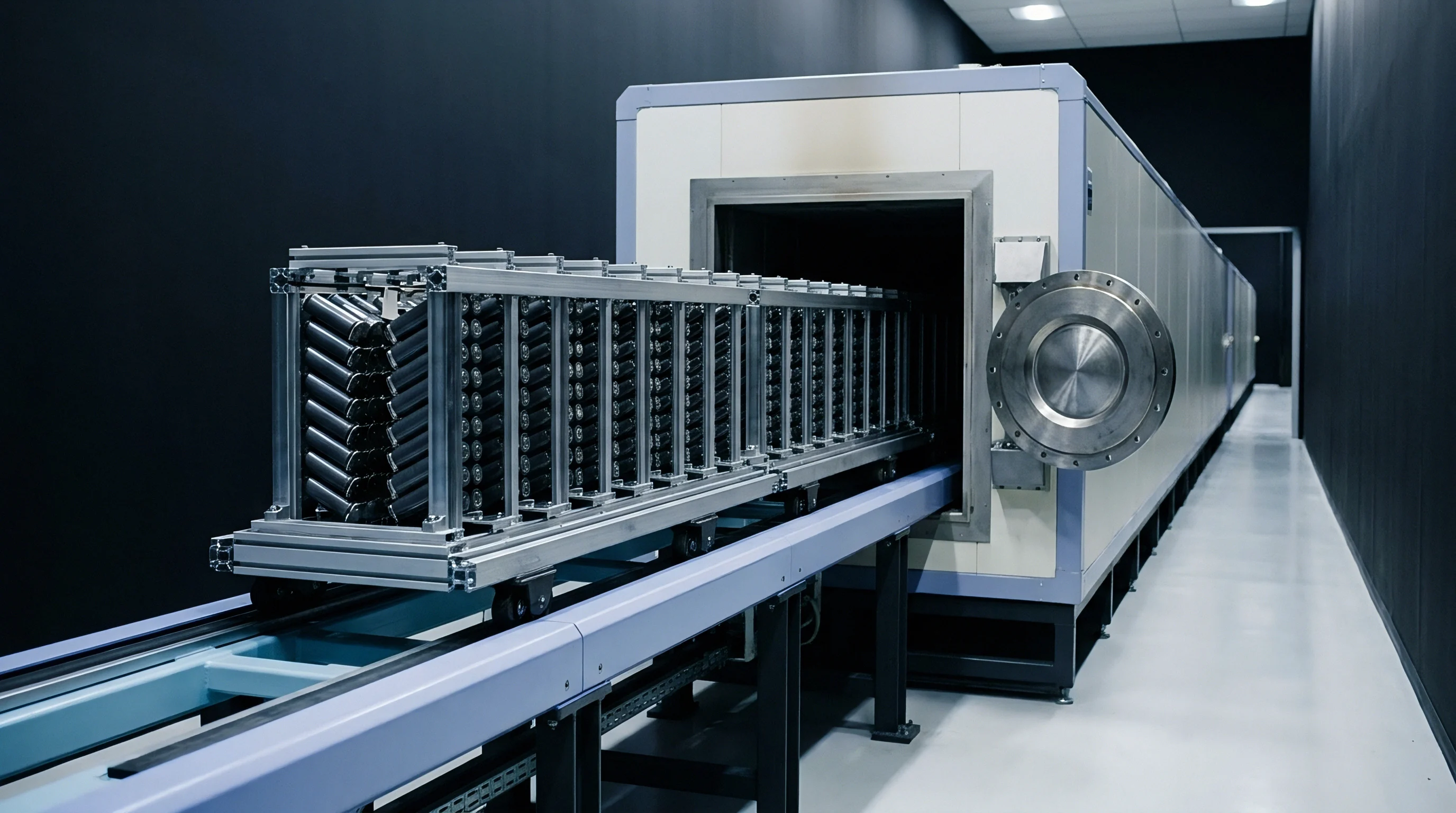
Testing every cell in a multi-megawatt-hour container shipment is impractical. Importers and safety auditors use statistical acceptance sampling based on ISO 2859-1 to verify compliance while managing costs. Applying General Inspection Level II with an Acceptance Quality Limit of 0.65 for critical defects, auditors draw representative samples from each landed production code.
Marine transit amplifies mechanical stress. If a sample contains a cell with zero open-circuit voltage or a ruptured vent seal, the sampling plan requires rejecting the entire pallet. Auditors also evaluate resistance distributions: a bimodal distribution indicates mixed manufacturing batches or formation lines, invalidating single-batch declarations on dangerous goods paperwork.
The statistical acceptance framework demands rigorous documentary proof across specific evaluation steps:
- Batch homogeneity assessment confirms that the standard deviation of measured open-circuit voltage within the audited sample does not exceed five millivolts across the entire pallet.
- Outlier isolation screening flags individual cells displaying an impedance value more than three standard deviations away from the sample lot mean.
- Thermal recovery testing verifies that cells held at elevated ambient temperatures return to baseline electrochemical limits within twenty-four hours of room-temperature equilibration.
- Dossier cross-referencing links physical lot codes on individual can jackets directly to the certified test report issued by an accredited ISO 17025 test facility.
Electrolyte leakage voids the certificate. Auditing incoming containers against statistical sampling criteria catches parameter drift before defective inventory enters logistics networks.
The industry leaves unresolved the legal question of whether an importer can lawfully sign a dangerous goods shipper declaration when secondary testing indicates parameters have drifted outside original factory quality bands while remaining inside gross UN 38.3 limits.

Liability
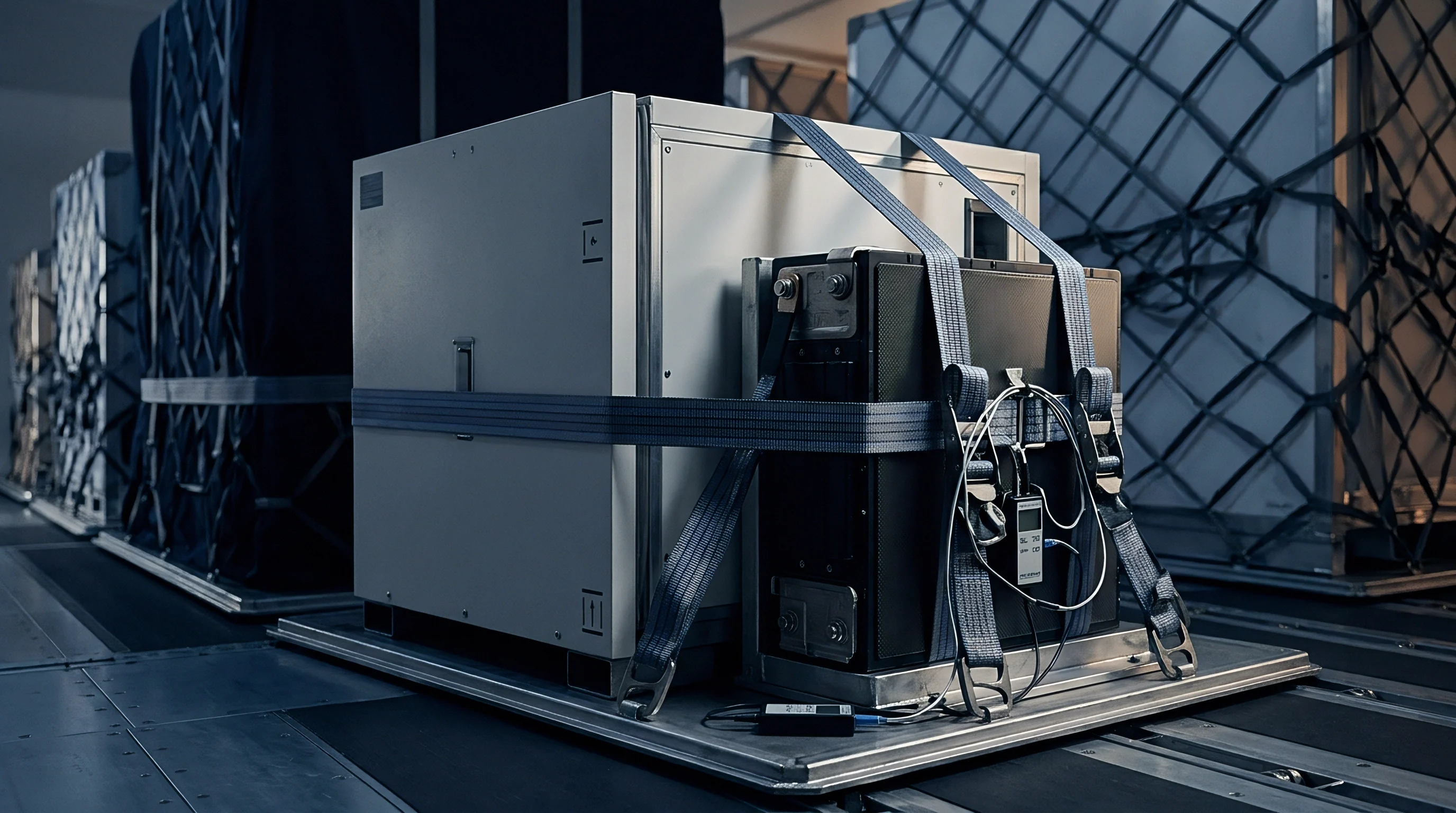
Commercial contracts and regulatory statutes assign absolute accountability for non-compliant dangerous goods shipments. When parameter drift turns a compliant shipment of lithium cells into an undeclared safety hazard, commercial consequences follow quickly. Under international maritime and aviation law, the shipper of record on transport documentation carries primary civil and criminal liability for damages caused by improperly certified goods.
Importers cannot shift liability to overseas manufacturers once the bill of lading and dangerous goods declaration bear their or their broker’s signature.
If a carrier discovers out-of-spec cell parameters, administrative seizure follows. Should cargo agents spot swelling, electrolyte odor, or state of charge over thirty percent during random checks, the carrier issues a formal safety discrepancy report. Cargo is grounded, moved to hazardous holding areas at the consignor’s expense, and reported to national aviation authorities like the Federal Aviation Administration or the European Union Aviation Safety Agency.
Daily fines accumulate quickly, often exceeding the value of the shipment itself.

Commercial Default and Carrier Abandonment
Freight contracts contain strict terms governing hazardous cargo non-compliance. If ocean carriers detect rising container temperatures or off-gassing from degrading cells, vessel masters have authority to offload cargo at intermediate ports. The carrier issues a vessel safety deviation notice, terminating carriage obligations and assessing emergency diversion surcharges against the owner.
Marine cargo insurance policies exclude inherent vice. If forensic investigation shows a container fire or loss stemmed from internal parameter drift, micro-shorting, or manufacturing defects present before departure, underwriters deny coverage. Buyer and seller then face unmitigated losses for vessel damage, general average claims from other cargo owners, and environmental cleanup costs.

Contractual Allocation of Quarantined Cargo
Modern battery procurement agreements address parameter drift using explicit indemnification language. Buyers require suppliers to warrant that cells comply with UN 38.3, IEC 62133-2, and IATA state-of-charge mandates for at least ninety days after port arrival. These contracts include terms that automatically transfer demurrage, secondary testing costs, and regulatory penalties back to the manufacturer.
Rigorous purchase specifications define acceptable drift allowances tied directly to payment holdbacks. Ten to twenty percent of the invoice value remains in escrow until receiving audits confirm landed open-circuit voltage, internal resistance, and case dimensions fall within agreed limits. Unacceptable parameter drift allows the buyer to reject the lot, draw on performance letters of credit, and require supplier-funded hazardous disposal.
Standard purchase contract language specifies that arrival parameter drift exceeding certified engineering limits constitutes immediate material breach, terminating buyer acceptance obligations and transferring all hazardous cargo demurrage liabilities directly to the seller account.