Meaning
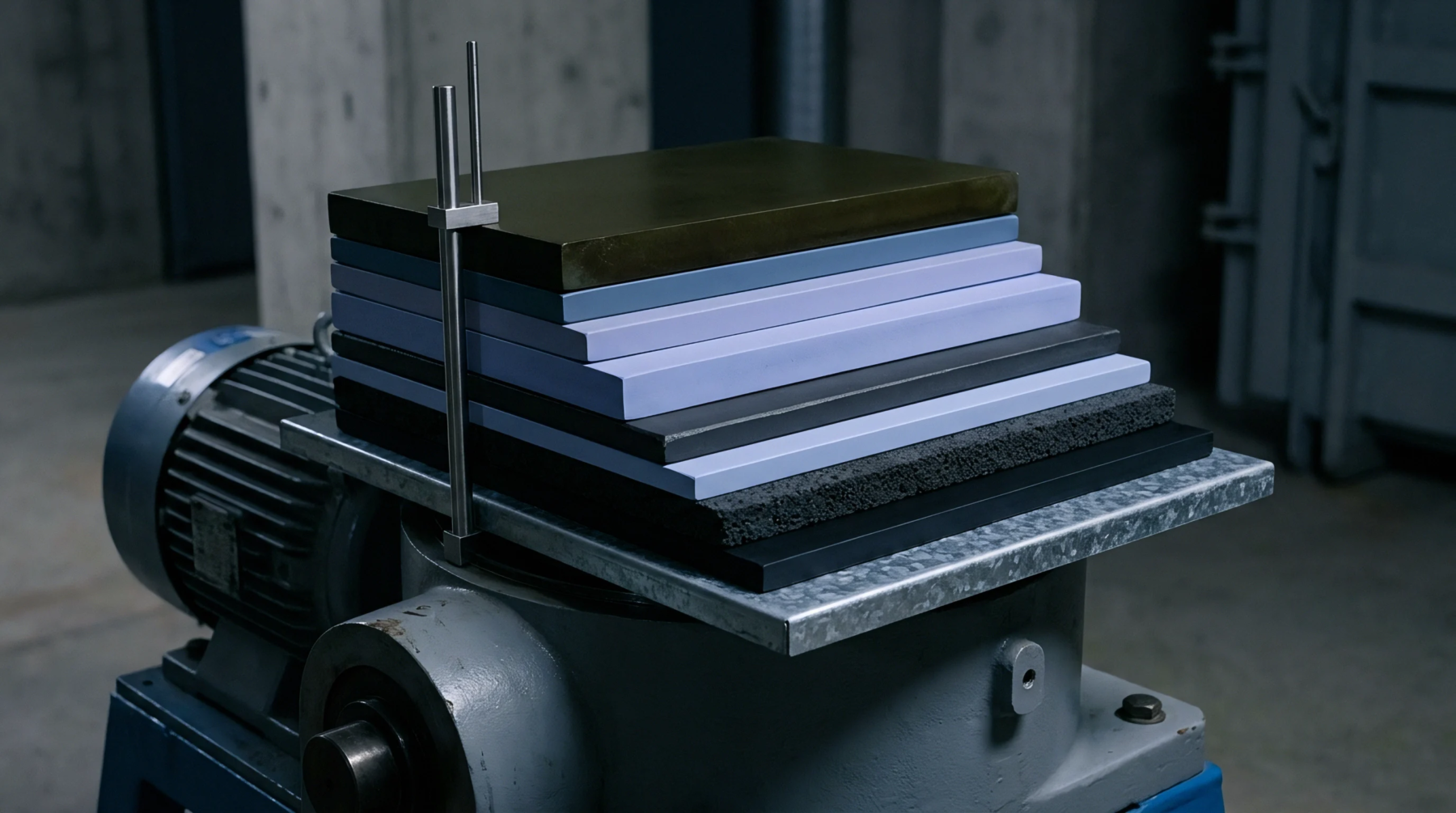
Lower structural surface of a rectangular battery enclosure functions as the primary load bearing and thermal interface region. The prismatic cell bottom is often the thickest part of the aluminum or steel can to ensure mechanical stability. It provides the flat surface needed for efficient heat transfer to the cooling plate.
Cooling Interface
Internal heat generated during high current operation travels through the stack to the base of the container. Because the prismatic cell bottom is in direct contact with the thermal interface material, it facilitates the cooling of the electrolyte. This path is the most effective way to regulate the internal temperature.
Mechanical Interface
Mounting the cell within a module requires a secure attachment point that can withstand vibration and shock. The prismatic cell bottom is often laser welded or bonded to a structural frame. This connection must remain intact over the entire service life of the pack.
Weld Integrity
Safety vents and filling ports are sometimes located near the base, requiring precise manufacturing. If the prismatic cell bottom is deformed during the assembly process, it can lead to leaks or poor thermal contact. Flatness specifications for this surface are extremely tight.
Because the integrity of this region is paramount, many manufacturers use high precision milling or impact extrusion to ensure the metal thickness is consistent enough to survive the internal pressure generated during a thermal event.