Meaning
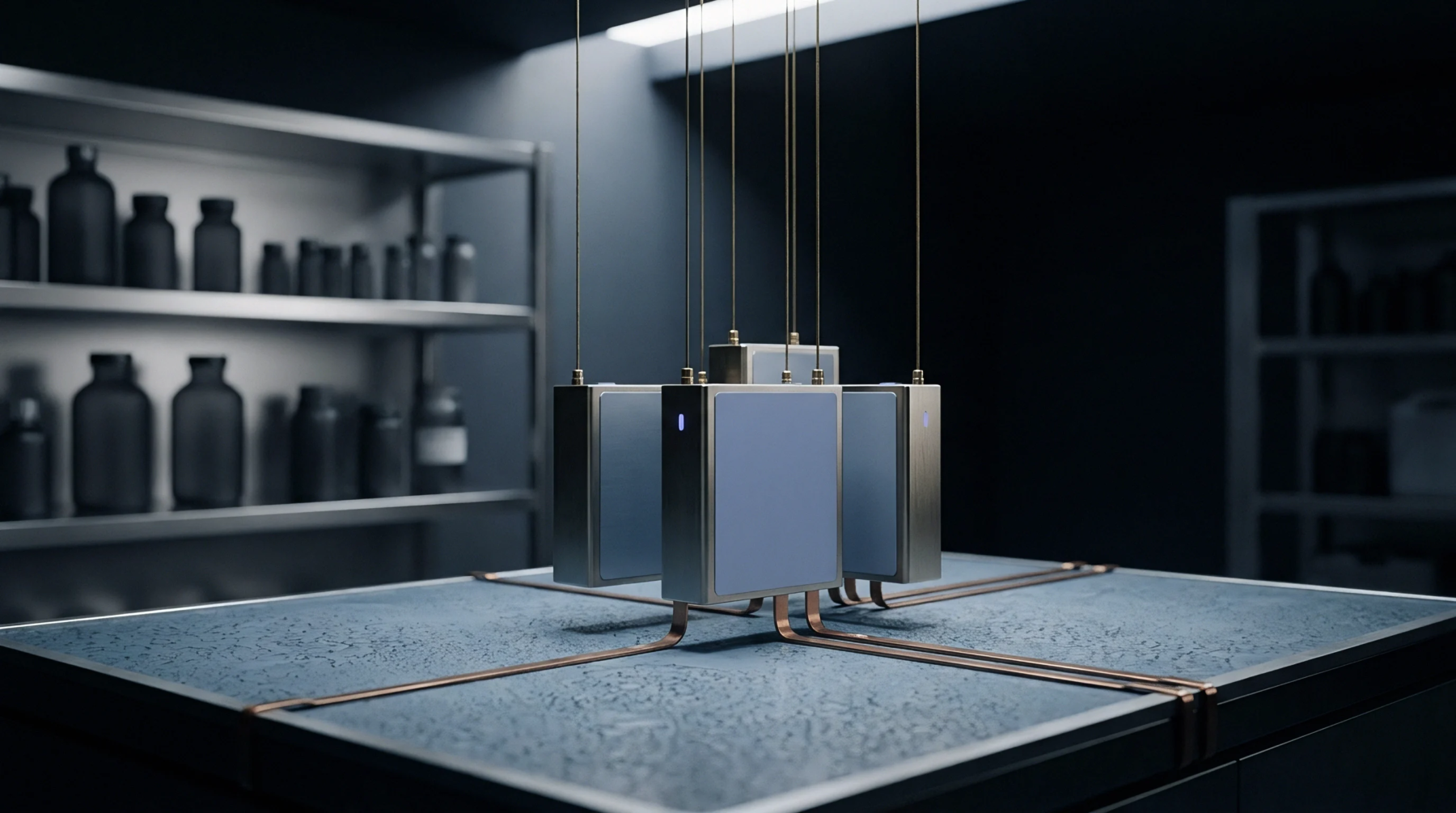
Safety evaluations in the UN transport regulations subject fully charged cells to an external electrical short circuit to test their internal protection mechanisms. This process, known as short circuit test T.5, verifies that the cell can survive high electrical currents without exploding.
Test Protocol
Technicians heat the cell to fifty-five degrees Celsius before applying a resistance of less than one-tenth of an ohm across the terminals. This low resistance causes a rapid discharge of stored energy during short circuit test T.5. The external short circuit is maintained for at least one hour after the cell temperature returned to normal.
To pass, the battery must not disassemble or ignite during the test.
Thermal Response
Severe heat is generated during the rapid release of electrical energy when the short circuit is applied. A high-quality cell prevents catastrophic failures through the use of an internal thermal fuse or a shutdown separator. If the separator fails to melt and block ion flow, the cell can experience thermal runaway and eventual rupture.
This test identifies cells that lack adequate internal thermal safety features.
Certification Outcome
Sourcing teams utilize this test result to confirm that batteries are safe for global shipping and commercial distribution. If a battery model fails to pass short circuit test T.5, it cannot be legally transported by air or sea. This failure requires the manufacturer to redesign the internal safety mechanisms of the cell before resubmitting it for testing.
Certified transport safety increases customer confidence and protects the manufacturer from shipment seizures at the border.