
Cathode Interface Degradation in High Voltage Thermal Cycling
High voltage thermal cycling accelerates cathode surface reconstruction and metal dissolution, doubling impedance and driving capacity fade.
High voltage thermal cycling accelerates cathode surface reconstruction and metal dissolution, doubling impedance and driving capacity fade.

Quantifying microstructural phase transition relaxation prevents mistaking mechanical lattice heat for parasitic oxidation, lowering projected ten-year battery warranty risks.

Lattice micro-strain accelerates baseline entropic potential drift, shifting cell thermal profiles and skewing long-term state-of-charge estimation accuracy.

Spectroscopic verification standards establish mandatory structural phase and valence metrics to prevent cathode degradation failures in cell qualification files.

High-nickel cell passivation growth follows diffusion-limited kinetics driven by cathode lattice oxygen loss and transition metal dissolution cross-talk.

High-voltage operation accelerates cathode surface reconstruction and transition metal dissolution, demanding operando impedance testing and warranty risk controls.
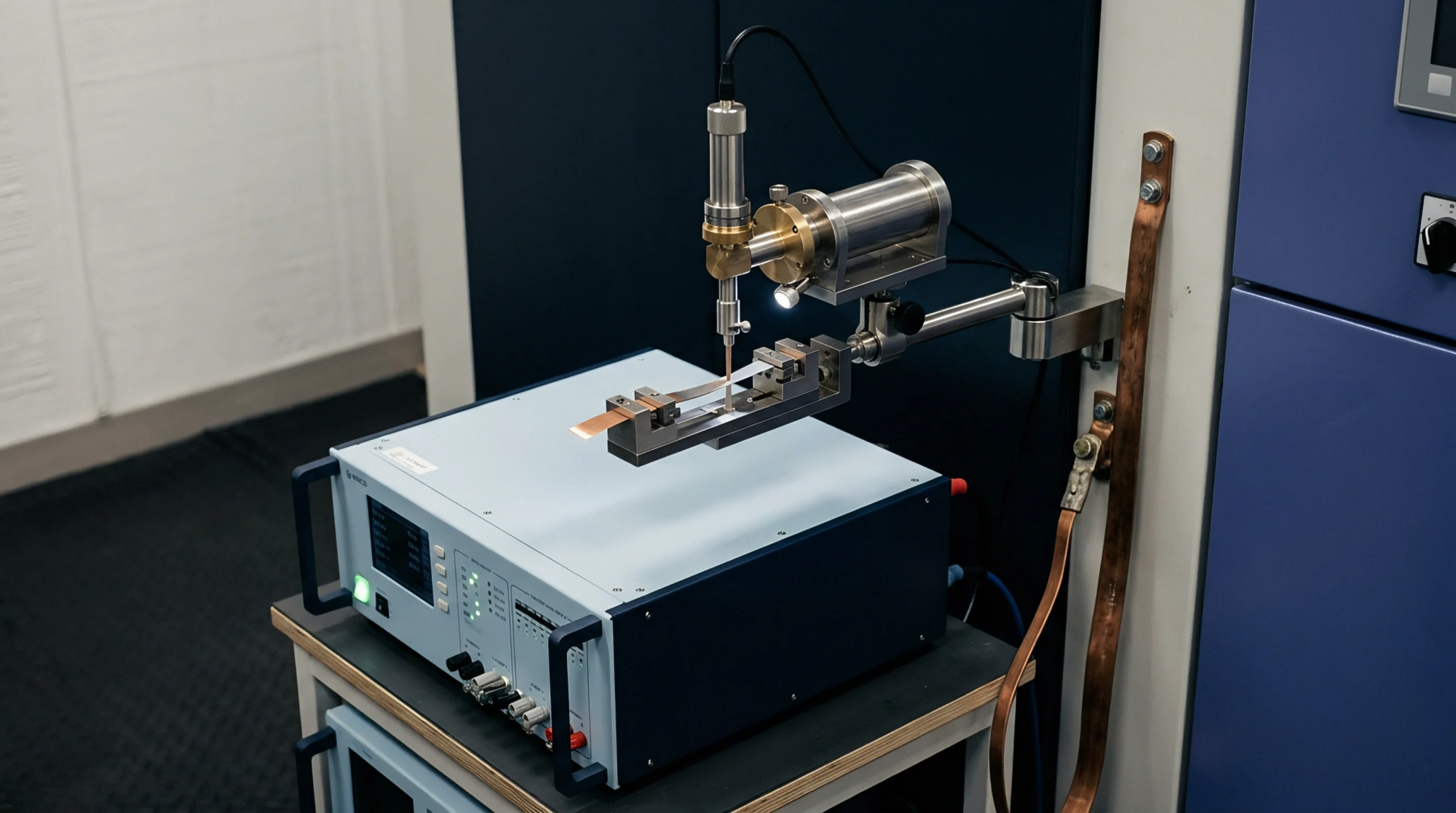
Optimal mechanical constraint extends lithium cell cycle life by suppressing electrode delamination while avoiding separator pore collapse and intergranular cathode fracture

High nickel cells experience self-discharge via transition metal dissolution and interphase breakdown, demanding strict K-value screening to prevent pack imbalance.

Recycled cathode precursors match virgin cell performance when hydrometallurgical refining limits trace iron and copper contaminants below 10 and 5 ppm respectively.
Expertise is a utility, not a secret. sentiention™ publishes its working knowledge as open reference: intelligence layer covering the materials it sources, the markets it enters, and the reference that serves both.