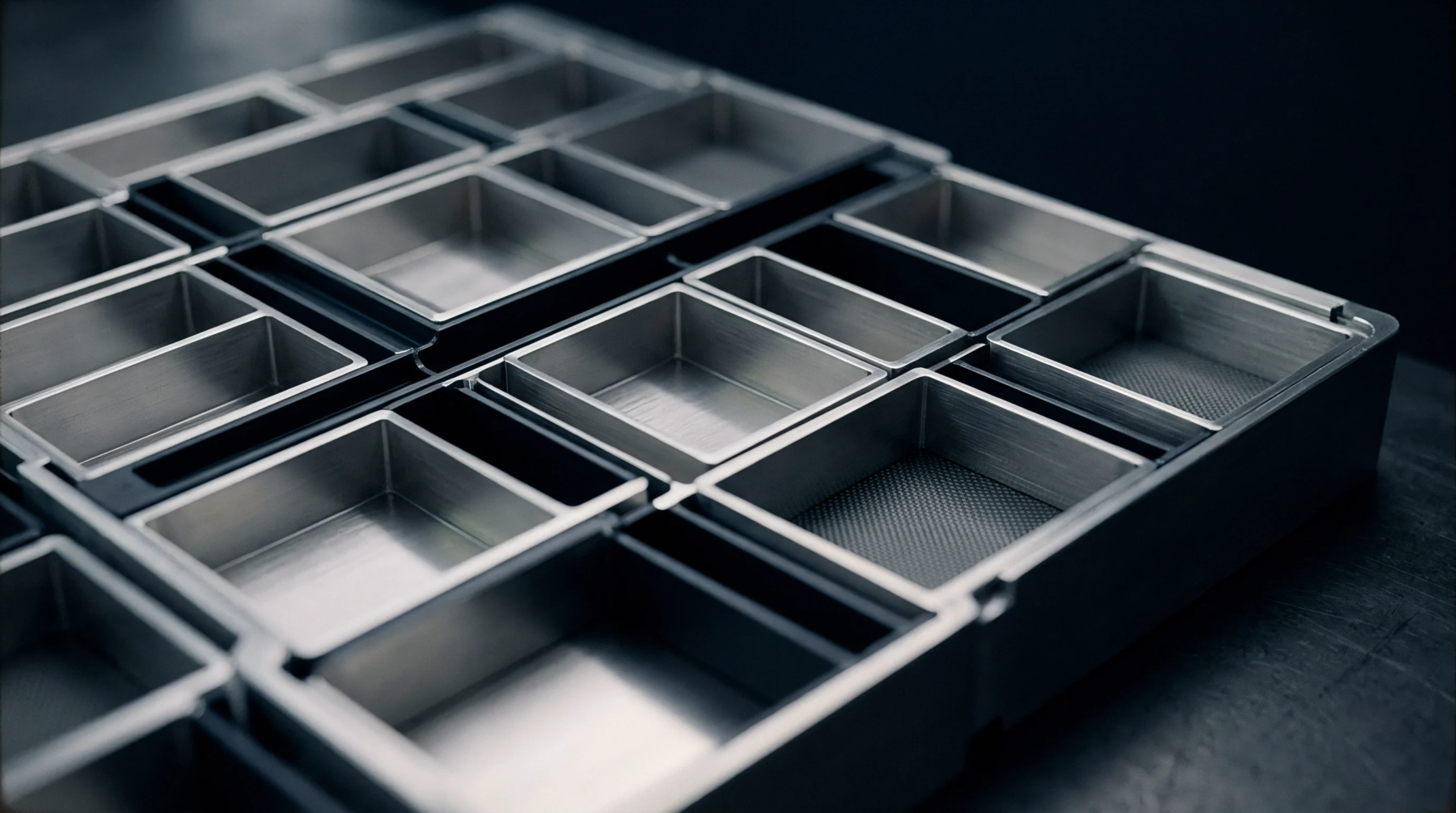
Mechanical Containment Pressure Optimization for Silicon Matrix Lithium Battery Cells
Applying 0.3 to 0.5 MPa containment pressure stabilizes silicon anode matrix structure, limits SEI fracture, and extends cell life beyond 1200 cycles.
Applying 0.3 to 0.5 MPa containment pressure stabilizes silicon anode matrix structure, limits SEI fracture, and extends cell life beyond 1200 cycles.

Cyclic cell breathing drives interfacial shear relaxation in prismatic packs, causing clamping pressure decay and thermal contact resistance spikes over life.
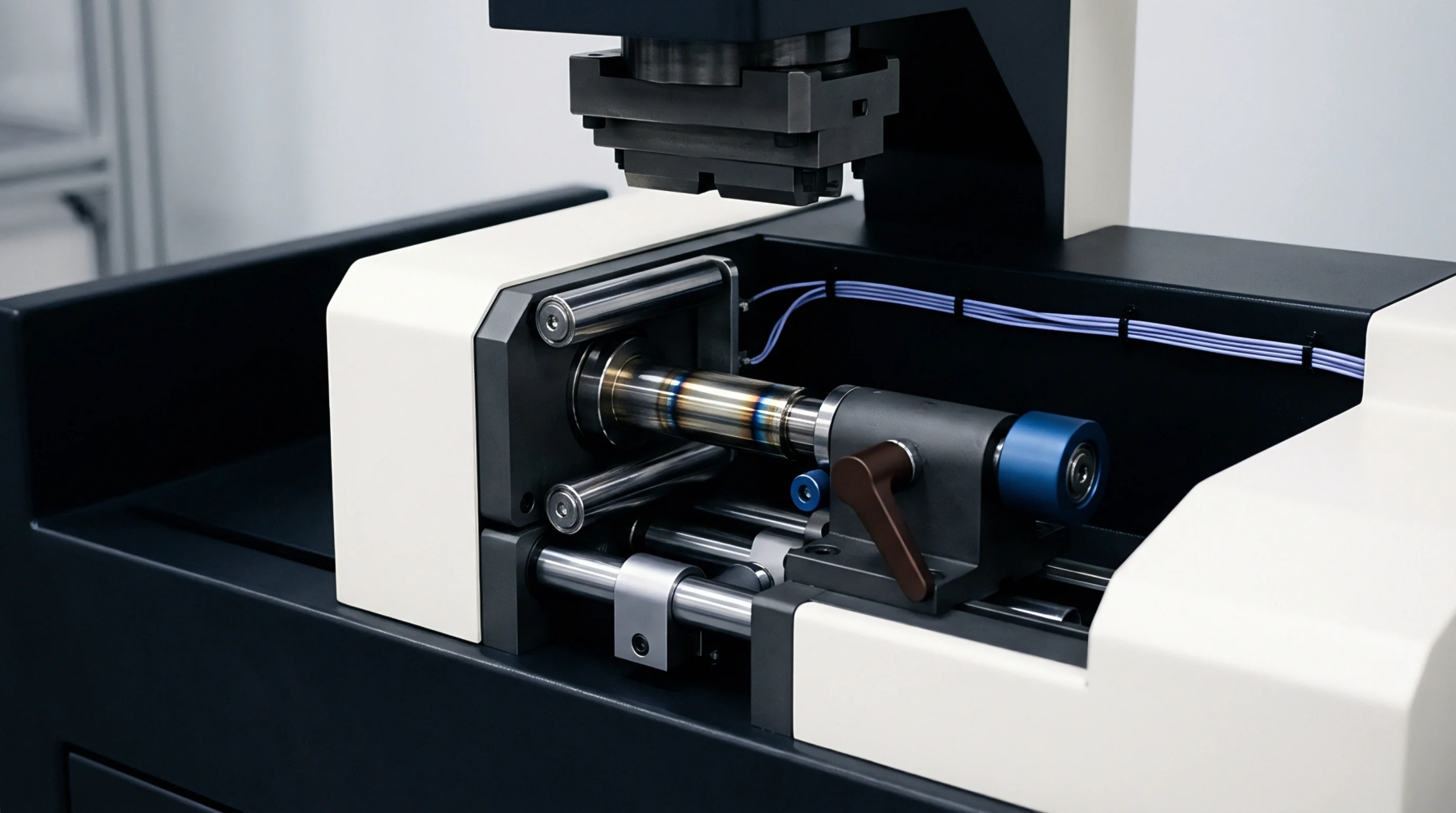
Dynamic module clamping for high-swelling silicon cells maintains face pressures between 0.2 and 0.6 MPa using elastomeric pads to prevent lithium plating.
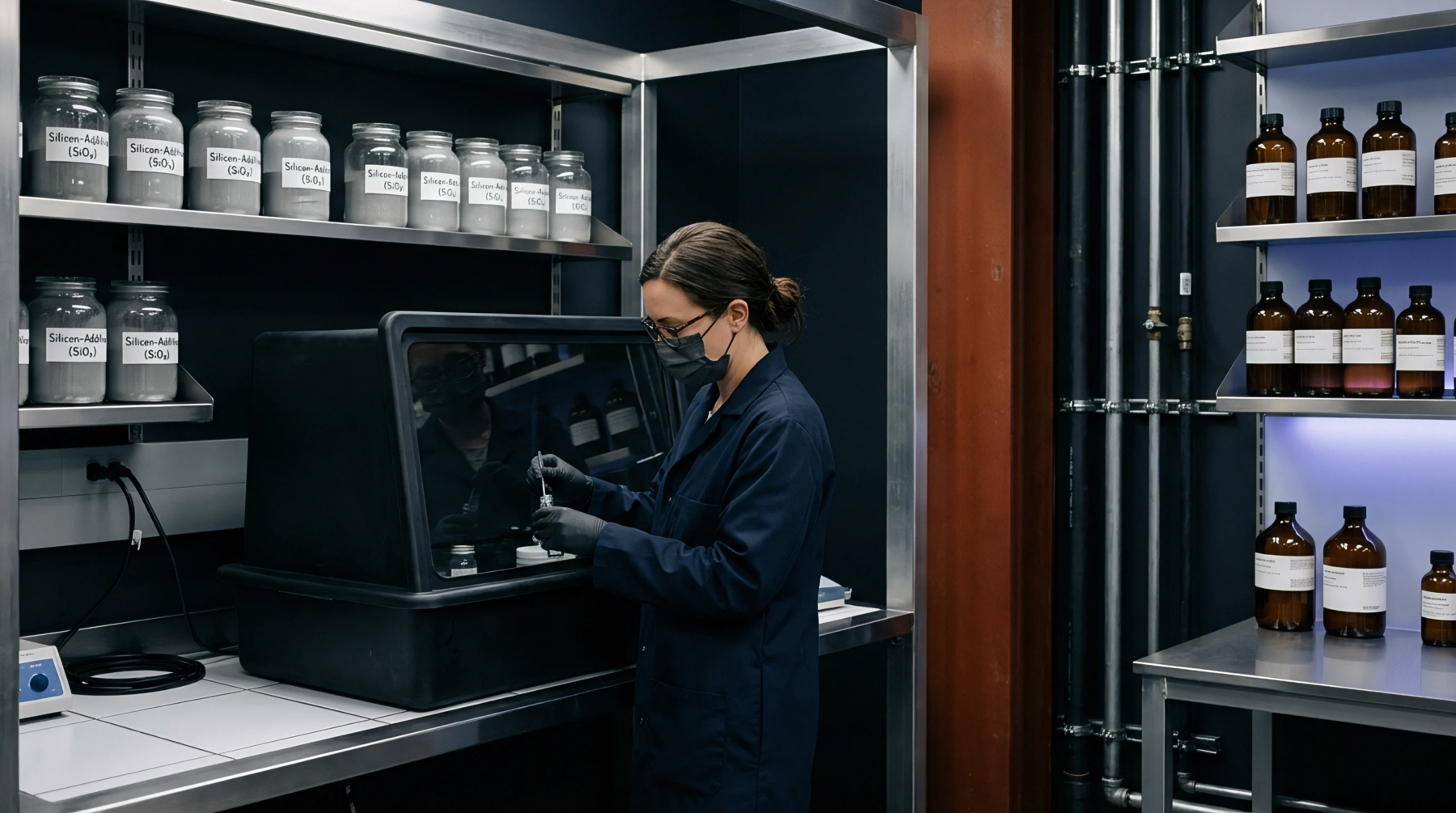
Nonlinear end plate modeling under silicon swelling requires coupling von Karman membrane stiffness to compressible foam curves to prevent terminal fatigue.
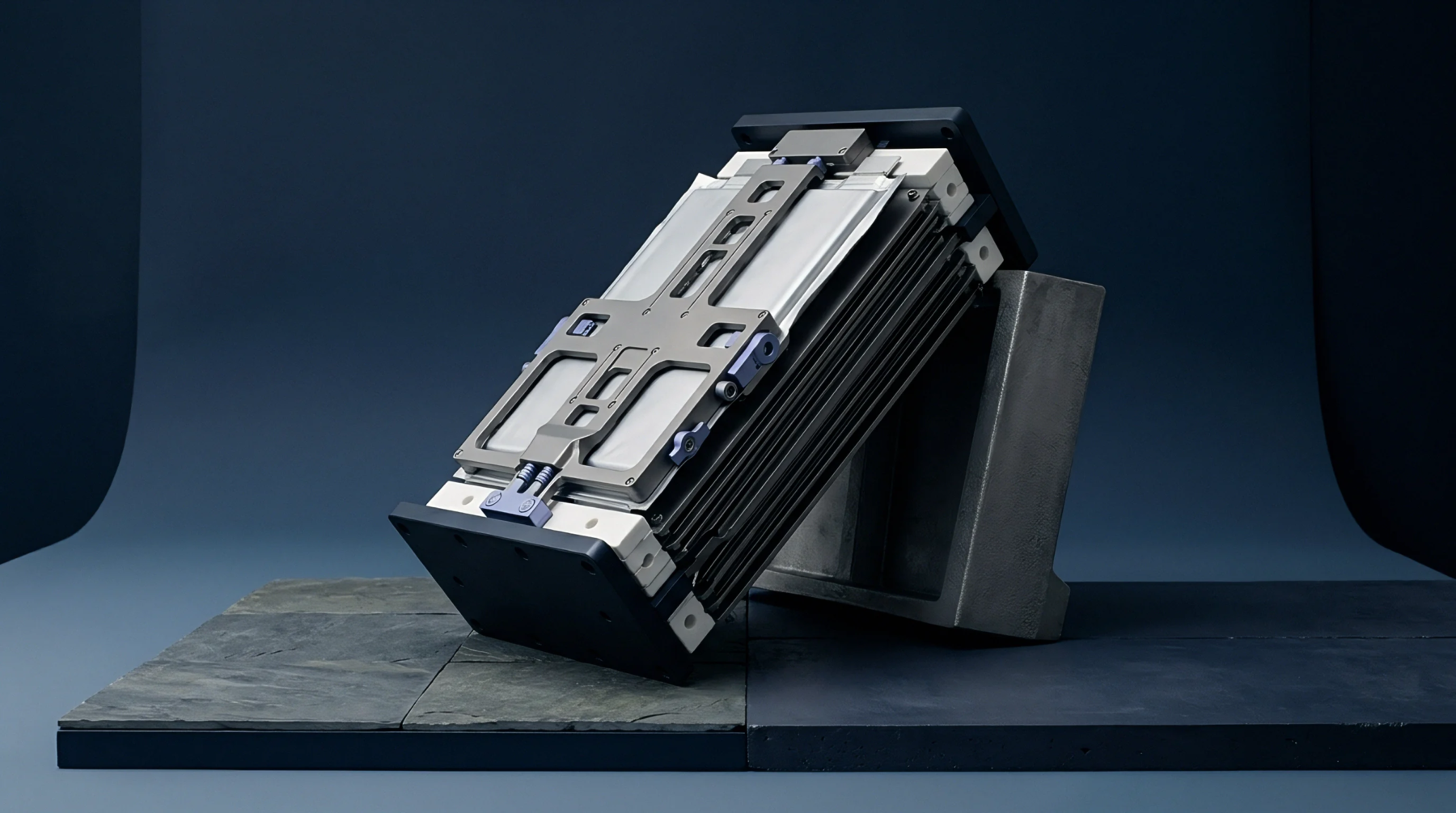
Dynamic swelling in pouch modules demands tuned inter-cell foam compliance and rigid end plates to prevent localized lithium plating and capacity degradation.

Finite element modeling of battery end plates requires non-linear contact formulations and hyperelastic foam curves to control cell swell pressure profiles.
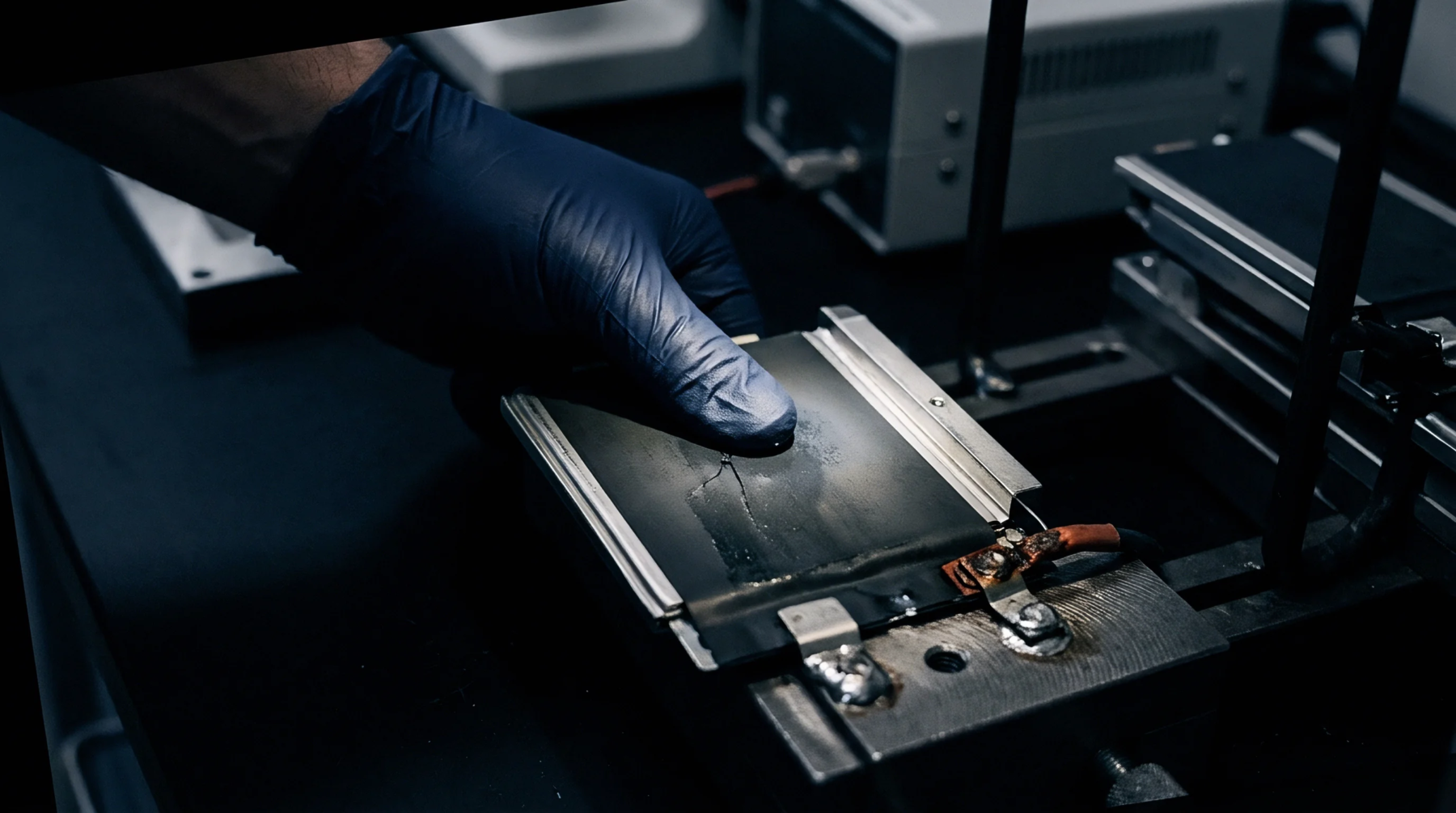
Direct load frame measurement with sub-five-micron displacement control establishes pouch swelling force, isolating irreversible SEI growth from breathing.

Dynamic pouch cell strain requires compliant spring restraints maintaining 0.2 to 0.5 MPa to prevent separator occlusion and seal failure under fast charging.
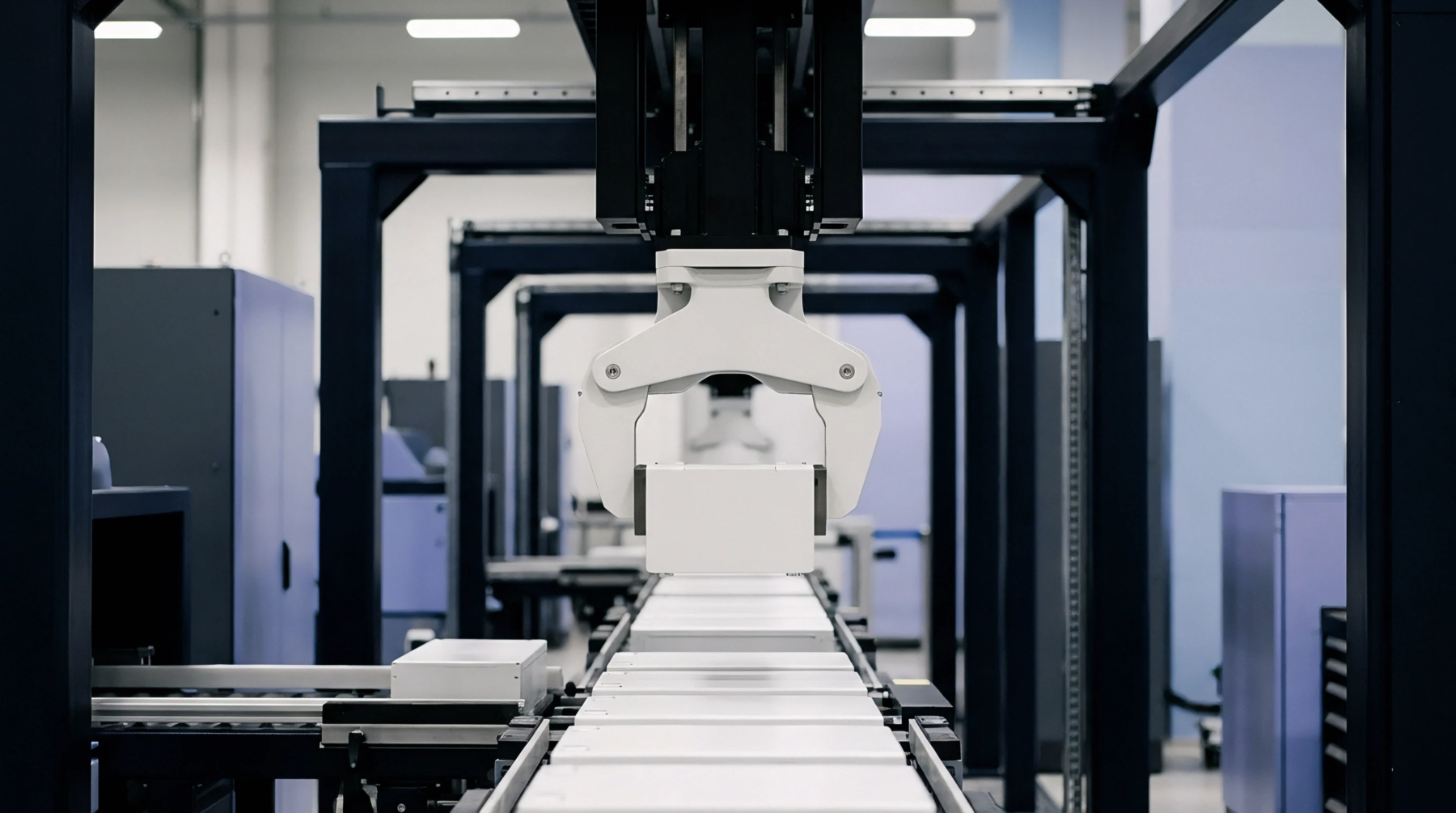
Maintain beginning of life cell preload between 0.08 and 0.15 MPa to prevent electrode delamination while preventing separator collapse and end plate deformation.
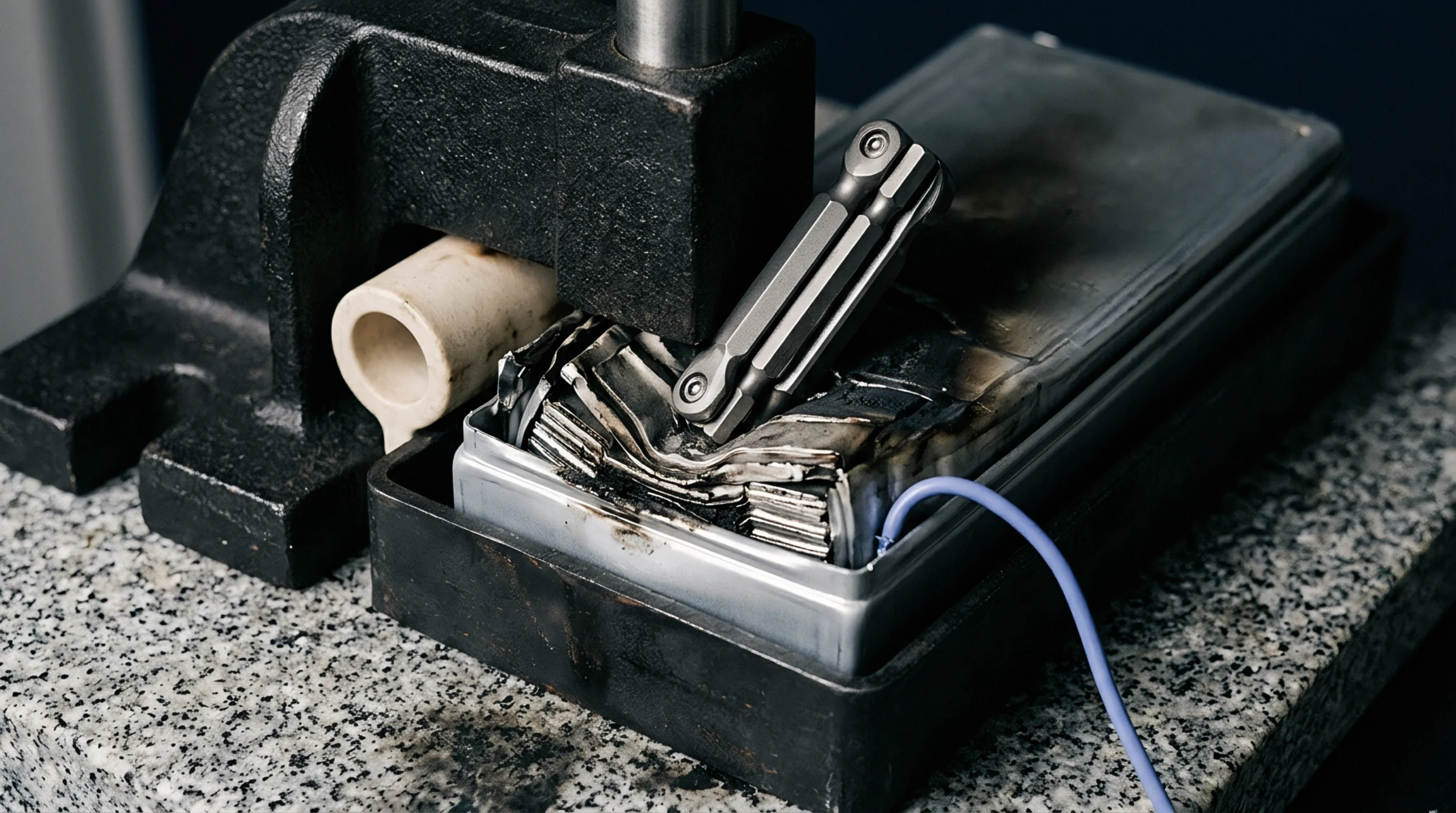
Calibrated prismatic clamping balances casing creep against separator pore collapse to sustain cell capacity across continuous charge swelling cycles.
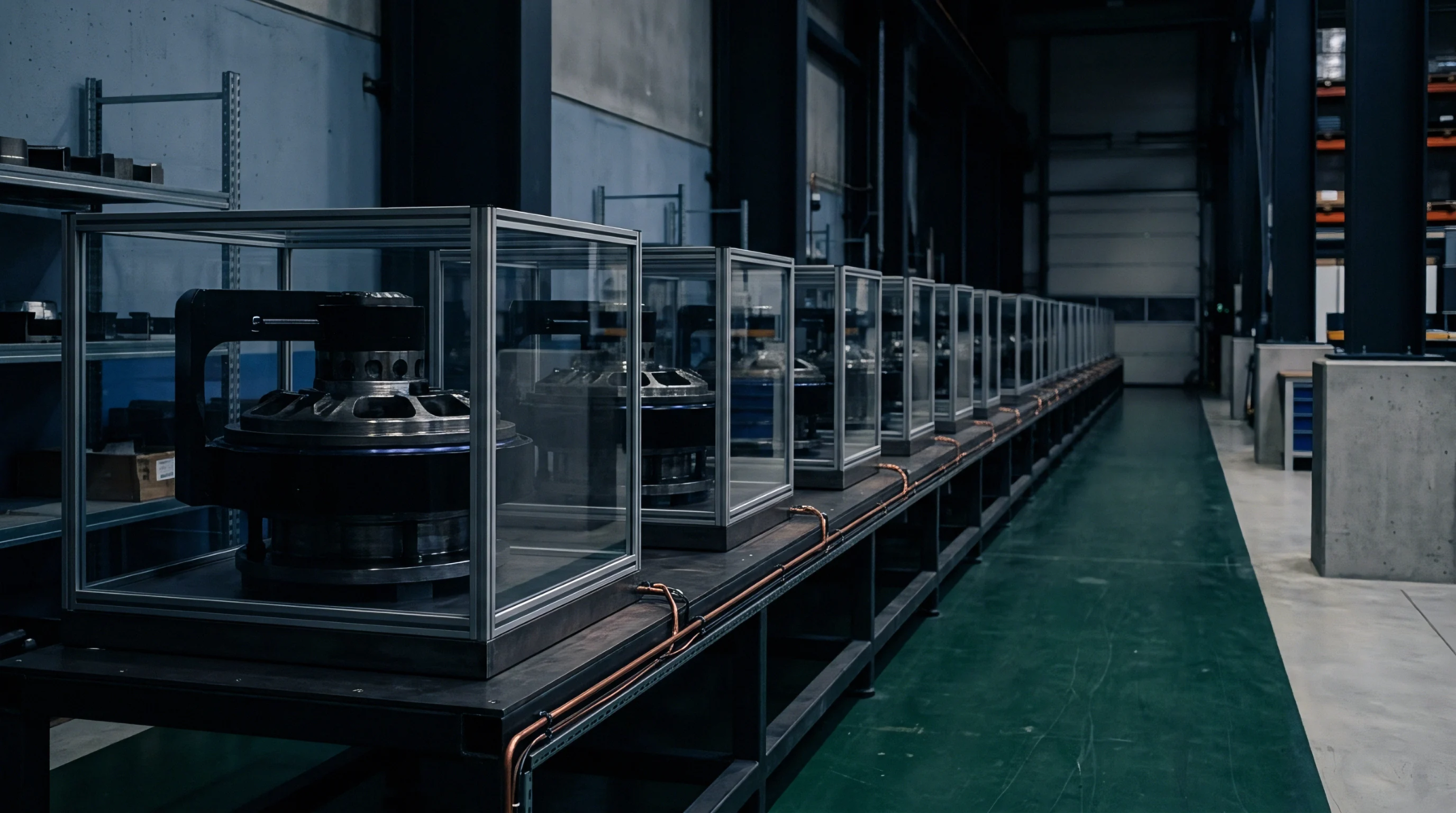
Non-destructive ultrasonic time-of-flight isolates separator fibril creep from cell swelling, quantifying sub-micron pore collapse under stack compression.
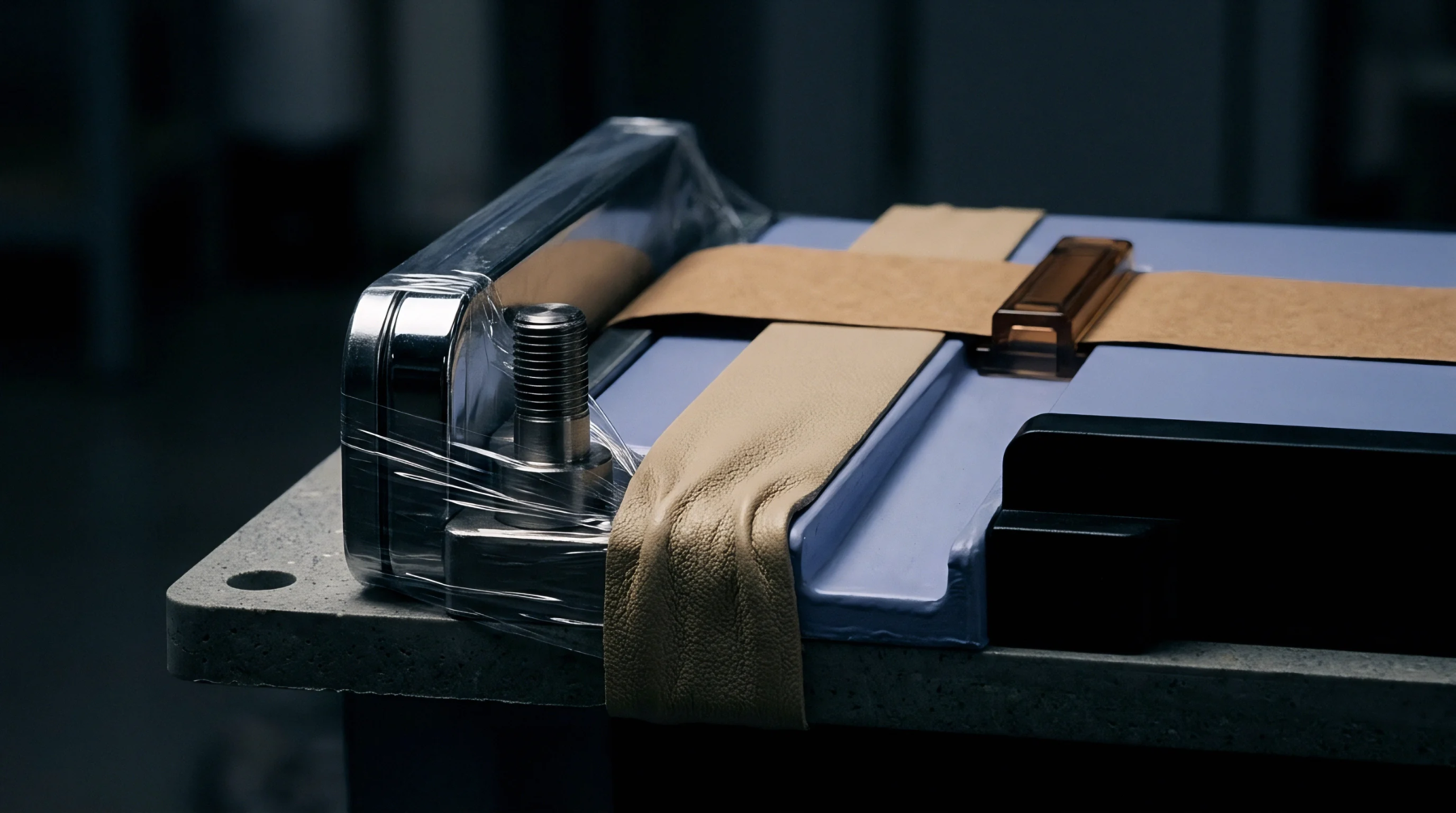
Controlled mechanical clamping combines rigid platen bracing with elastomeric cushions to constrain cyclic lithium cell swelling stress between 0.2 and 0.5 MPa.
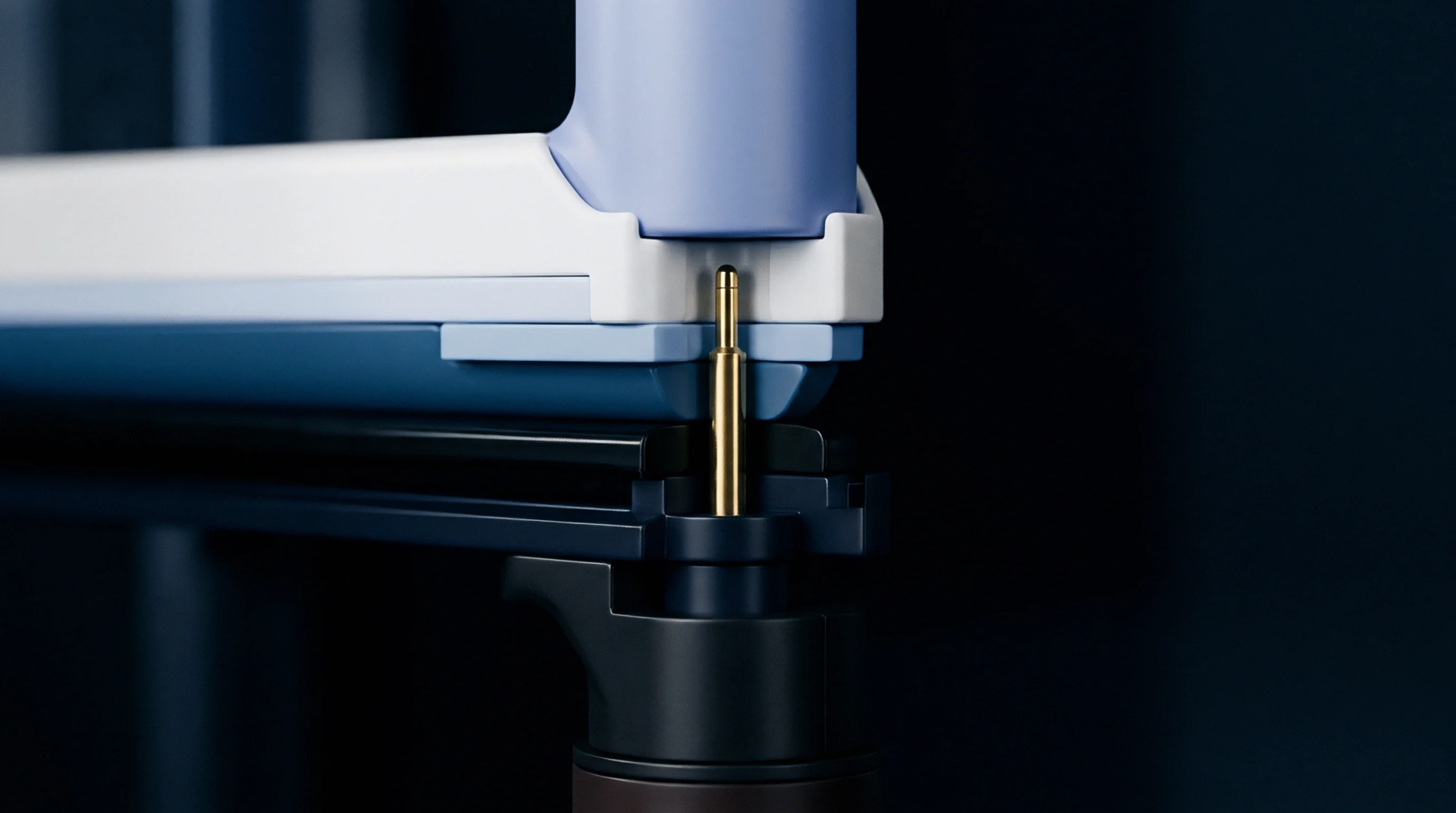
Sulfide solid-state cells require continuous external stack pressure between 5 and 10 MPa to overcome viscoplastic voiding and maintain intimate interface contact.

Calculated worst-case and RSS mechanical stack tolerances govern inter-cell compression, housing deflection, bolt torque retention, and production assembly yield

Establishing module strain envelopes requires setting 0.15 to 1.20 MPa stack pressure limits to bind cell warranty claims to verified mechanical boundaries.

Prismatic cell initial mechanical preload limits must balance interfacial contact impedance suppression at 0.15 to 0.35 MPa against EOL structural frame stress.
Expertise is a utility, not a secret. sentiention™ publishes its working knowledge as open reference: intelligence layer covering the materials it sources, the markets it enters, and the reference that serves both.